How to Protect Your Personal Data on Social Media Apps
The Importance of Data Privacy
In the contemporary landscape of social media, where platforms like Facebook, Instagram, and Twitter dominate our online interactions, understanding the intricacies of data privacy has never been more crucial. Each time we share a photo, post a status, or connect with others, we generate a wealth of personal information. While these platforms foster relationships and provide a space to express ourselves, they simultaneously pose significant risks to our privacy and security.
Understanding the Risks
The threats to your personal data are multifaceted and can arise from various sources. Data breaches, for instance, occur when hackers exploit vulnerabilities in a platform’s security system, gaining unauthorized access to sensitive user information. High-profile cases, such as the 2019 Facebook breach that affected millions of users, exemplify how personal data can be compromised, leading to identity theft or other forms of fraud.
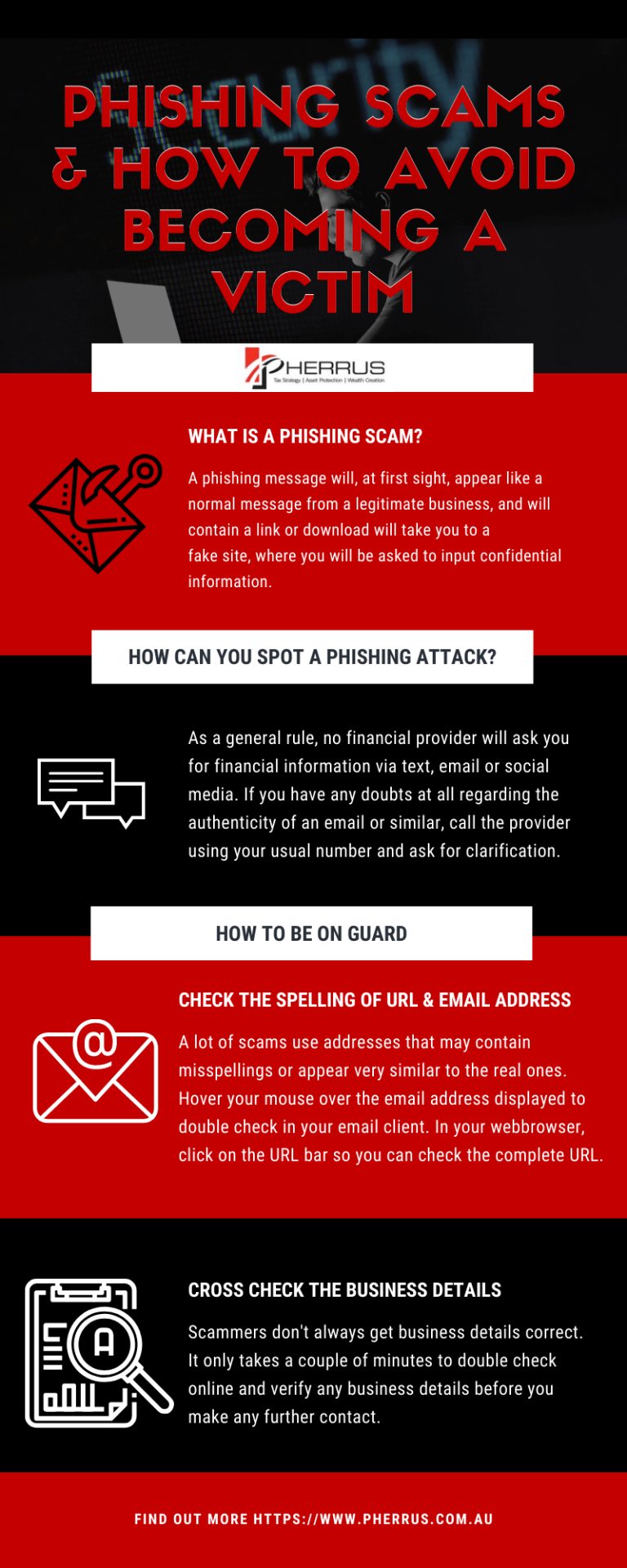
Moreover, phishing attacks represent another significant threat. These attacks often come disguised as legitimate communications, prompting users to divulge sensitive information such as passwords or credit card numbers unwittingly. For example, a well-crafted email pretending to be from your bank can deceive even the most vigilant users.
Equally concerning are third-party apps that harvest personal data without explicit consent. Many social media platforms allow integration with external applications that can access user data. If users do not pay close attention to permissions when signing up for these apps, they may inadvertently expose themselves to privacy risks. It is known that some apps, particularly those that offer free services, monetize user data in ways users may not fully understand or agree with.
Users’ Responsibility
As consumers of social media in the United States, it is vital to be conscious of how your information is managed. Before clicking ‘accept’ on the terms and conditions—often a lengthy and tedious process—users should take time to understand what data they are relinquishing and how it may be utilized. Ignoring these details can profoundly impact one’s digital footprint, leading to potential risks such as unwanted advertisements or even a compromised digital identity.
Practical Strategies for Data Safety
In light of these risks, proactive measures can be taken to secure personal data on social media platforms. Adjusting privacy settings is a straightforward but crucial first step. Users should familiarize themselves with options that limit who can see their posts or contact them. For example, setting profile visibility to ‘friends only’ can significantly reduce unsolicited interactions.
Recognizing suspicious activity is also essential. If a post or message appears out of the ordinary or asks for sensitive information, it is essential to err on the side of caution. By remaining vigilant and informed, users can enjoy the connectivity that social media offers while safeguarding their valuable personal information.
As we move deeper into a digital-first society, staying educated about privacy practices will empower users to take control of their online presence. Exploring these strategies not only enhances security but also enriches one’s overall experience on social media. Stay aware, stay secure, and enjoy the benefits of a connected world.
DISCOVER MORE: Click here to enhance your app’s user experience
Taking Control of Your Privacy Settings
One of the most effective ways to safeguard your personal data on social media apps is by taking control of your privacy settings. Each platform offers a variety of tools and options designed to help you manage who sees your information and how it is shared. Understanding these settings can significantly enhance your security.
On platforms like Facebook and Instagram, users can customize their privacy to create a more secure online environment. Here are some essential privacy adjustments to consider:
- Limit Profile Visibility: Change your profile settings to ‘friends only’ to ensure that only approved individuals can access your posts, photos, and updates.
- Control Post Sharing: Before sharing content, select who can view each post. You can create custom lists for close friends and family to share more personal moments without exposing them to a broader audience.
- Restrict App Access: Regularly review which third-party apps are connected to your social media accounts and remove any that you no longer use or trust. This will help prevent unauthorized data access.
- Turn Off Location Services: If location sharing is enabled, consider disabling it to prevent others from tracking your whereabouts through social media check-ins.
These adjustments are simple yet powerful in laying the groundwork for a safer social media experience. By limiting visibility and controlling data access, you can greatly reduce the likelihood of potential breaches or unwanted contact.
Be Mindful of Personal Information
In addition to adjusting privacy settings, users must be vigilant about the type of personal information they share online. The more personal details you disclose, the higher the risk of misuse. Consider the implications of sharing:
- Location Details: Check-ins and posts detailing your location can make you susceptible to stalking or burglary.
- Personal Identifiers: Avoid sharing sensitive information such as your address, phone number, or any data that could be used for identity verification.
- Everyday Activities: While sharing your daily routine may seem harmless, oversharing could invite unwanted attention or risks. Maintain a balance between engaging followers and protecting your personal space.
Being selective about the information you share can significantly mitigate risks associated with data theft and online harassment. Always ask yourself if the information you are about to reveal is necessary or if it could be better kept private.
By taking these proactive steps, you can enhance your privacy on social media platforms and protect your personal data from potential threats. Remember, your online presence is an extension of your identity, and safeguarding it requires vigilance and informed decision-making.
| Protection Methods | Key Features |
|---|---|
| Privacy Settings | Control who sees your information |
| Two-Factor Authentication | An additional layer of security |
| Regular Updates | Keep your apps secure against vulnerabilities |
| Profile Monitoring | Track any unauthorized access to your accounts |
| Education and Awareness | Stay informed about security practices |
As users of social media platforms, understanding how to safeguard our personal data is paramount in today’s digital age. Utilizing privacy settings can greatly enhance control over your information by determining who has access to your posts and profile details. Implementing two-factor authentication serves as a robust defense mechanism, ensuring that even if your password is compromised, unauthorized access remains exceedingly difficult.Regularly updating your apps not only keeps them performing effectively but also fortifies them against emerging threats and vulnerabilities. Furthermore, engaging in profile monitoring is a proactive strategy that can alert you to any suspicious access attempts, allowing swift action to be taken to secure your accounts. Education and awareness are also critical; by staying informed about the latest security practices and potential threats, you can better navigate the complexities of social media while protecting your personal data effectively.
DISCOVER MORE: Click here to learn how A/B tests can enhance user experience
Staying Updated and Informed
In the constantly evolving realm of social media, one of the most crucial steps in protecting your personal data is to stay updated and informed about the latest security features and potential threats. Developers frequently update their applications to patch vulnerabilities, improve user experience, and enhance privacy controls. Regularly monitoring these updates can help you safeguard your information effectively.
Most social media platforms have a dedicated section for announcements related to changes in privacy policies or security upgrades. Make it a habit to check these releases regularly. For instance, platforms like Twitter and Facebook often roll out new privacy features in response to user feedback or emerging security threats. Being proactive in understanding these enhancements not only arms you with knowledge but also empowers you to take full advantage of the security options available.
Recognizing Phishing Attacks
An increasing number of users are falling victim to phishing attacks—a deceptive attempt to obtain sensitive data by masquerading as a trustworthy entity through electronic communication. This often occurs via messages that claim to be from the social media platform, urging users to verify their accounts or update their profiles via a link. Here’s how to recognize and respond to potential phishing attempts:
- Scrutinize Links: Before clicking on any link embedded in messages or emails, hover over the URL to see the actual destination. Many phishing sites mimic legitimate ones but have slight variations in their names.
- Verify Requests: If you receive a request for sensitive information, individually verify its authenticity by contacting customer support directly through official channels—not through the link provided in the message.
- Avoid Sharing Credentials: Never share your account password or personal information through messages, especially in reaction to unexpected requests. Legitimate companies will never ask for this kind of information via direct message.
Educating yourself about these tactics will assist in mitigating risks and keeping your data secure from prying eyes.
Using Two-Factor Authentication
Two-factor authentication (2FA) is another powerful tool in your online security arsenal. This additional layer of security enables you to require not only a password but also a second form of verification before granting access to your account. Most major social media platforms now offer this feature, making it an essential step for all users.
With 2FA enabled, even if a hacker manages to obtain your password, they would still need access to the second factor—often a code sent to your mobile device—to gain entry to your account. This makes it significantly more challenging for unauthorized users to infiltrate your profile.
Regularly Monitoring Account Activity
Regularly examining your account’s activity can unveil suspicious behavior early on. Most social media platforms provide a log of device logins and locations, allowing you to identify any unauthorized access. If you notice unfamiliar devices or locations, act quickly: change your password and consider enhancing your security settings.
Another beneficial practice is to track the applications that have access to your social media accounts. Expiring any applications that you no longer use can help reduce the risk of data breaches resulting from outdated software.
By actively engaging with these methods—keeping informed of updates, recognizing phishing efforts, implementing two-factor authentication, and monitoring account activity—you can make significant strides in protecting your personal data on social media apps.
DIVE DEEPER: Click here to discover how A/B tests can enhance user experience
Conclusion
In conclusion, protecting your personal data on social media apps has never been more critical. With the increasing prevalence of data breaches, phishing attacks, and privacy concerns, it is essential to adopt a proactive approach towards safeguarding your online information. By familiarizing yourself with the various security features available on platforms like Twitter, Instagram, and Facebook, you can significantly enhance your privacy. Staying informed about security updates and privacy settings allows you to navigate social media confidently, armed with the knowledge of how to protect yourself.
Additionally, the importance of recognizing phishing attacks cannot be overstated. By remaining vigilant and verifying unexpected requests for personal information, you can minimize the risk of falling victim to these scams. Implementing two-factor authentication (2FA) serves as an essential safety measure, providing an extra layer of security that can deter unauthorized access to your accounts.
Lastly, regularly monitoring your account activity ensures that any unauthorized access is identified and addressed promptly. Taking the time to review apps connected to your social media accounts helps prevent potential data breaches stemming from unused or outdated software.
Ultimately, being proactive, cautious, and informed are your most powerful tools in maintaining your privacy on social media. As technology continues to evolve, so should your methods of protection. Encourage your friends and family to do the same, creating a more secure online community where everyone can enjoy social media without compromising their safety.
Related posts:
Strategies for Secure Password Management in Various Applications
How to Set Up Security Alerts in Online Shopping Apps
How to Protect Your Mobile Devices from Malware in Apps
Cryptography Techniques to Enhance the Security of Your Files in Applications
The Role of Security Updates in Protecting Applications and Devices
Tips for Enabling Two-Factor Authentication in Your Favorite Apps

Beatriz Johnson is a seasoned tech writer and digital tools expert with a passion for simplifying the complexities of technology and mobile applications. With over a decade of experience in the tech industry, she specializes in topics like productivity apps, software reviews, and emerging digital trends. Through her work, Beatriz empowers readers to make informed technology choices and stay ahead in the ever-changing world of apps and innovation.