How to Identify and Avoid Phishing in Messaging Apps
As we navigate our digital landscapes, messaging apps such as WhatsApp, Facebook Messenger, and Telegram have become indispensable for connecting with friends, family, and colleagues. Unfortunately, such platforms also serve as prime hunting grounds for cybercriminals looking to exploit naïve users through sophisticated phishing attacks. With personal data and sensitive information constantly at risk, it is crucial to arm ourselves with knowledge to thwart these malicious efforts.
What is Phishing?
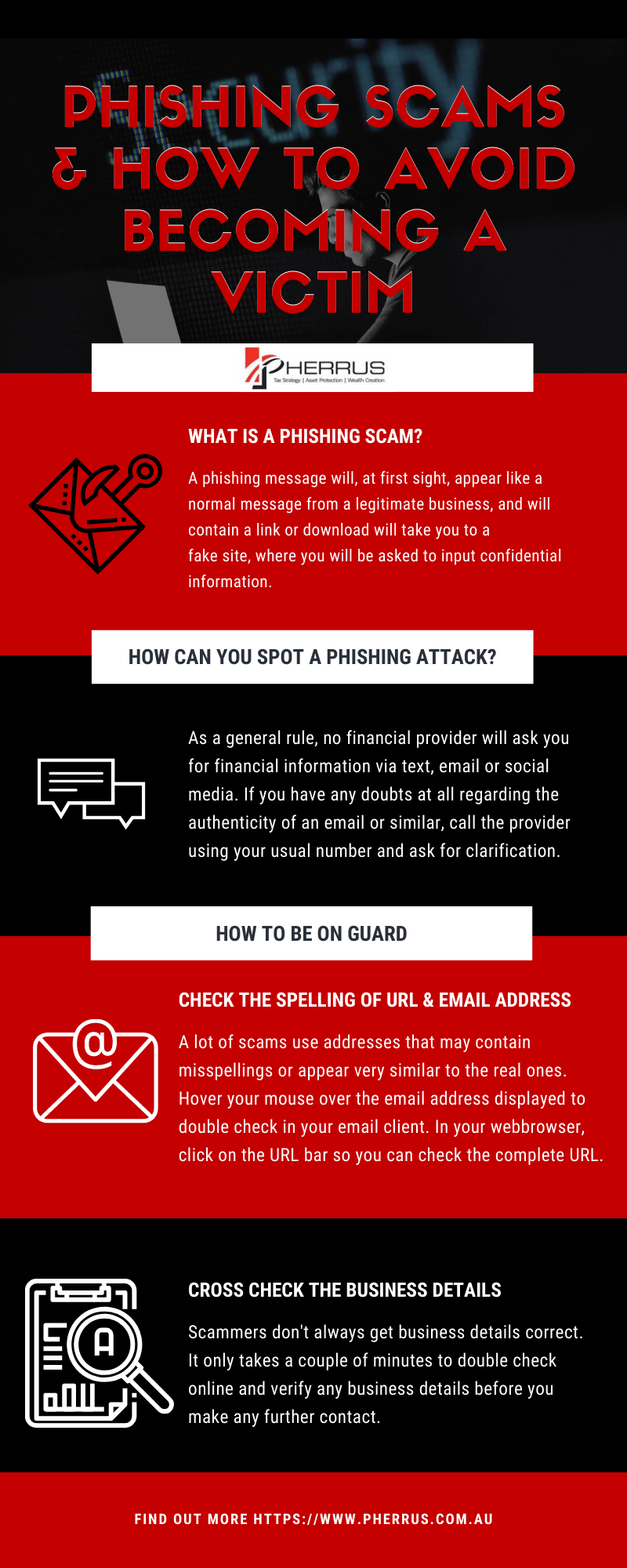
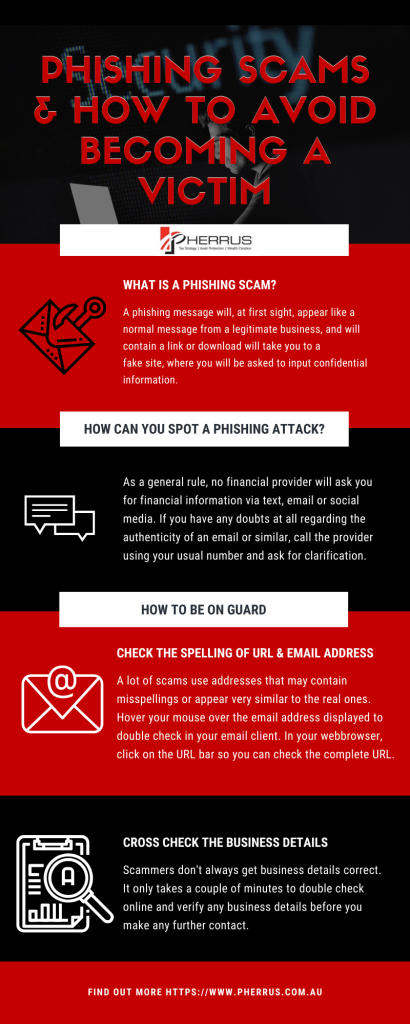
Phishing is a deceptive practice employed by cybercriminals to obtain confidential information like passwords, credit card numbers, or social security details. These techniques often disguise themselves within messages that seem credible, tricking recipients into divulging vital data. For example, you might receive an email that appears to come from your bank urging you to confirm your account details due to suspected fraud. However, clicking on the link provided may lead you to a counterfeit website designed to harvest your information.
To strengthen your defenses, it is essential to recognize the most prevalent characteristics of phishing attempts:
- Urgent Requests: Phishing messages often employ a sense of urgency, compelling you to act quickly. For instance, a message may state that your account will be suspended unless you take immediate action, creating a panic that overrides your better judgment.
- Mismatched URLs: Always hover over links before clicking. Phishing attempts may involve URLs that superficially resemble legitimate sites but contain slight alterations, such as unusual domain endings or misspellings.
- Unusual Language: Messages fraught with poor grammar or awkward phrasing are often telltale signs of deception. Legitimate businesses employ professional communications; an email riddled with spelling errors or convoluted language should raise immediate red flags.
Your Shield Against Phishing
Defensive strategies are critical in safeguarding your online presence. Enhancing your vigilance can thwart phishing schemes before they affect you. Here are vital practices to ensure your safety:
- Verify Sources: Always scrutinize the sender’s information. If you receive a suspicious message, consider reaching out to the company or individual through another communication method, rather than responding directly.
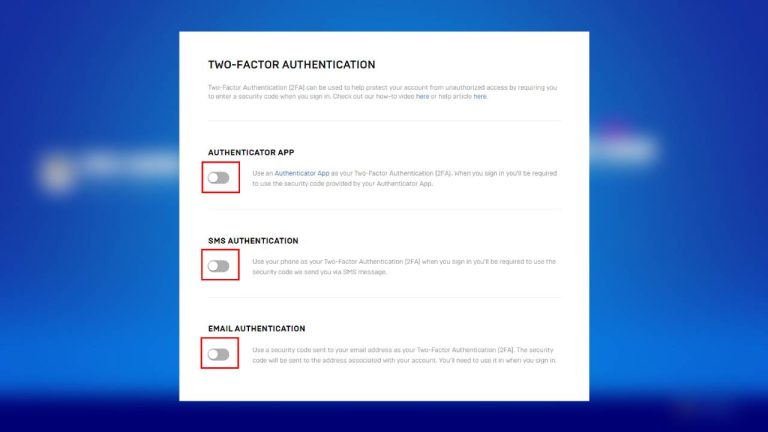
- Utilize Two-Factor Authentication: Implementing this additional security layer can significantly bolster your account’s protection. Even if a password is compromised, the second factor—often a temporary code sent to your mobile device—serves as a barrier against unauthorized access.
- Educate Yourself: Staying informed is your first line of defense. Follow tech news outlets or cybersecurity blogs to learn about emerging phishing tactics and trends. For instance, recent attacks have targeted large online retailers during peak shopping seasons, underscoring the need for constant vigilance.
As phishing tactics continue to adapt, maintaining awareness becomes increasingly essential. By equipping yourself with the knowledge to identify these threats, you empower yourself to protect your personal information. In a world overflowing with digital connections, staying informed is not just beneficial; it is paramount for securing your online interactions and safeguarding your financial and personal data.
DISCOVER MORE: Click here to learn how A/B tests can enhance user experience
Recognizing Phishing Attempts in Messaging Apps
As cybercriminals increasingly exploit the convenience of messaging platforms, understanding how to identify phishing attempts is more critical than ever. While phishing emails have long been a threat, the rise of messaging apps has given hackers a new playground to target unsuspecting users. These scams often leverage social engineering techniques, making them even more devious and harder to recognize.
One of the most alarming trends in phishing schemes is that they often involve familiar names and brands, which can lull users into a false sense of security. For instance, you might receive a message appearing to come from a friend who has had their account hacked and is asking you to click on a link to help them recover it. Here are some key indicators to look out for:
- Contextual Inconsistency: Pay attention to the context of the message. If a friend suddenly contacts you via a messaging app to ask for money or share suspicious links, consider whether this is normal behavior for them. If something feels off, trust your instincts.
- Unexpected Attachments: Be cautious with messages that include attachments or links you weren’t expecting, even if they come from known contacts. Cybercriminals often hijack accounts and use them to send phishing messages to friends and family.
- Generic Greetings: Phishing messages frequently use generic greetings like “Dear customer” instead of addressing you by name. This can be a sign that the message is not from a legitimate source and is instead part of a larger phishing scheme.
The Psychology of Phishing
An understanding of the psychology behind phishing can further empower you to avoid falling prey to these scams. Cybercriminals exploit emotions to create a sense of urgency, fear, or curiosity. This emotional manipulation can cloud judgment and encourage hasty decisions, leading individuals to click on malicious links or divulge private information.
For example, messages claiming that your account has been compromised and urges immediate action can elicit panic and prompt users to bypass standard security protocols. It is essential to take a step back and assess the validity of such claims instead of reacting impulsively. One effective strategy is to verify information through official channels. If you receive an alarming message, visit the organization’s official website directly instead of clicking on provided links.
Further, familiarizing yourself with the latest tactics used by cybercriminals can enable you to stay one step ahead. Phishing attempts are continually evolving; as mentioned, recent attacks have shifted their focus toward messaging apps during high-stakes events like holidays or major sales. Understanding these patterns can be crucial in developing a keen eye for spotting potential threats.
By incorporating these insights into your daily digital habits, you can significantly reduce your risk of falling victim to phishing scams in messaging apps. Remaining vigilant not only protects your personal information but also helps create a safer online environment for everyone.
Understanding Phishing Techniques in Messaging Apps
Phishing attacks in messaging applications are becoming increasingly sophisticated, requiring users to be more vigilant than ever. These deceptive practices often exploit emotional triggers, prompting users to act quickly without critically analyzing the requests. Common tactics include impersonating trusted contacts or organizations, using urgent language to incite fear or urgency, and integrating fake links that closely resemble legitimate ones. In addition to recognizing such tactics, it is essential to learn how to verify messages. Always check the sender’s profile for inconsistencies, such as unusual usernames or profile pictures that may appear altered. Two-factor authentication (2FA) is another critical defense mechanism that can provide an additional layer of security. It is strongly encouraged to enable 2FA on your messaging apps, as this can significantly reduce the risk of account compromise.Furthermore, familiarize yourself with common signs of phishing messages. Look for grammatical errors or unnatural phrasing, which often indicates a scam attempt. If a message asks for personal information, such as passwords or credit card details, be very cautious. It’s advisable to report suspicious messages to the messaging platform directly. This vigilance can aid not just yourself but the wider community in recognizing and combating phishing threats.To further enhance understanding, engage in educational resources and training sessions focused on online safety. Many organizations offer free material that addresses recent trends in phishing tactics tailored to messaging applications. This information is crucial as it equips users with the knowledge to not only protect themselves but to also educate others, creating a more cyber-aware environment.
As these attacks evolve, so must our defenses. Continuous education and a healthy skepticism when it comes to unexpected messages can significantly mitigate risks associated with phishing in messaging apps.
| Common Phishing Techniques | Preventive Measures |
|---|---|
| Impersonation of Trusted Contacts | Verify sender details and look for inconsistencies. |
| Urgent Language | Be cautious of requests for immediate action or personal information. |
| Links to Fake Websites | Hover over links to check their legitimacy before clicking. |
DISCOVER MORE: Click here to learn how A/B tests can enhance user experience
Best Practices for Protecting Yourself Against Phishing
Identifying phishing attempts is essential, but so is taking proactive measures to safeguard yourself from potential threats in messaging apps. With the prevalence of phishing on platforms like WhatsApp, Facebook Messenger, and SMS, knowing effective practices can enhance your digital security significantly. Here are several strategies you can implement:
1. Enable Two-Factor Authentication (2FA)
Utilizing two-factor authentication can add an extra layer of security to your messaging accounts. Most major platforms allow users to enable 2FA, which requires a second form of verification, such as a text message or authentication app, when logging in. This means that even if a cybercriminal obtains your password through phishing, they would still need your secondary verification to access your account.
2. Avoid Public Wi-Fi for Sensitive Transactions
Using public Wi-Fi networks can greatly increase your vulnerability to phishing attacks. Cybercriminals can set up fake networks or intercept your data on unsecured public connections. Whenever possible, use a virtual private network (VPN) to encrypt your internet connection, especially when navigating sensitive transactions or communication within messaging apps.
3. Stay Educated About Phishing Trends
The landscape of phishing attacks is always evolving. Keeping yourself informed about the latest scams can provide you with an edge in recognizing potential threats before they affect you. For example, during tax season in the United States, there’s an uptick in phishing messages disguised as IRS notifications. Staying attuned to seasonal trends allows you to be more skeptical of messages that seem urgent.
4. Check URLs and Sender Information
Always verify the sender’s information and the links that accompany unsolicited messages. Phishing attempts often disguise themselves using similar-looking URLs or email addresses. If a link appears suspicious, hover over it to review the destination. If it does not match the expected address, classify it as a potential threat.
5. Report Suspicious Messages
Most messaging platforms have built-in features that allow users to report phishing attempts. Taking the time to report these scams not only protects you but also helps the platform take action against the malicious accounts. This collective effort is vital in maintaining a secure online environment for all users.
6. Utilize Security Software
Installing comprehensive security software can provide an additional layer of defense against phishing and other cyber threats. Many security solutions include phishing detection features, helping you identify and block potential scams before they reach your messaging apps. Make sure to keep this software updated for maximum efficacy.
Implementing these best practices can significantly reduce your risk of falling victim to phishing attacks in messaging apps. By staying aware and informed, you contribute not only to your security but also to the overall safety of the digital community. As cybercriminals continue to innovate, it is crucial to adapt and incorporate these defensive measures into your routine.
DON’T MISS OUT: Click here to learn how A/B tests can enhance your app’s user experience
Conclusion
In an increasingly digital world where messaging apps are central to communication, understanding how to identify and avoid phishing scams is more important than ever. The sophistication of these cyber threats poses not only risks to personal information but also to financial security. By integrating best practices into your daily routine—for instance, being vigilant about unsolicited messages, enabling two-factor authentication, and utilizing security software—you strengthen your defenses against potential attacks.
Moreover, continuous education about the evolving landscape of phishing is vital. Scammers adapt rapidly, making it essential for users to be up-to-date on common tactics employed by these criminals. For instance, recognizing phishing trends tied to seasonal events can help you remain skeptical and alert when engaging with digital communications. Engaging in shared community reporting of suspicious messages not only enhances your security but also fortifies the messaging environment for all users.
Ultimately, the responsibility of safeguarding oneself against phishing lies with each individual, and the implementation of these strategies will maximize your protection. By fostering a culture of caution, awareness, and community engagement, we can collectively combat the growing threat of phishing in messaging apps. As you navigate your digital experience, remember that skepticism, education, and proactive measures are your greatest allies in mitigating these risks.
Related posts:
Security in Finance Apps: How to Protect Your Transactions and Banking Information
Security Practices to Protect Your Data in Cloud Storage Applications
Wi-Fi Security: Tips to Protect Your Connection and Devices
How to Protect Your Communications in Instant Messaging Apps
Strategies for Secure Password Management in Various Applications
How to Protect Your Mobile Devices from Malware in Apps

Beatriz Johnson is a seasoned tech writer and digital tools expert with a passion for simplifying the complexities of technology and mobile applications. With over a decade of experience in the tech industry, she specializes in topics like productivity apps, software reviews, and emerging digital trends. Through her work, Beatriz empowers readers to make informed technology choices and stay ahead in the ever-changing world of apps and innovation.