How A/B Tests Can Improve User Experience in Apps
The Dynamics of A/B Testing in App Development
In a digital world saturated with applications, the success of a mobile or web app hinges on how well it caters to its users. The secret sauce to achieving this lies in understanding user behavior and preferences, a goal that can be effectively pursued through A/B testing.
A/B testing, or split testing, is a methodology that enables developers to present different versions of their app to segments of their user base. For instance, a popular e-commerce app might test two variations of their checkout page. One version could feature a simplified interface with fewer steps, while the other maintains the traditional multi-step process. By analyzing the conversion rates from each version, developers can determine which design better facilitates user purchases.
This testing method empowers developers in several crucial areas:
- Identify user preferences: Understanding which design elements resonate more with your audience can dramatically improve the app’s overall aesthetic and usability. For example, a music streaming service might find that users prefer darker interfaces, leading them to adopt this design across their platform.
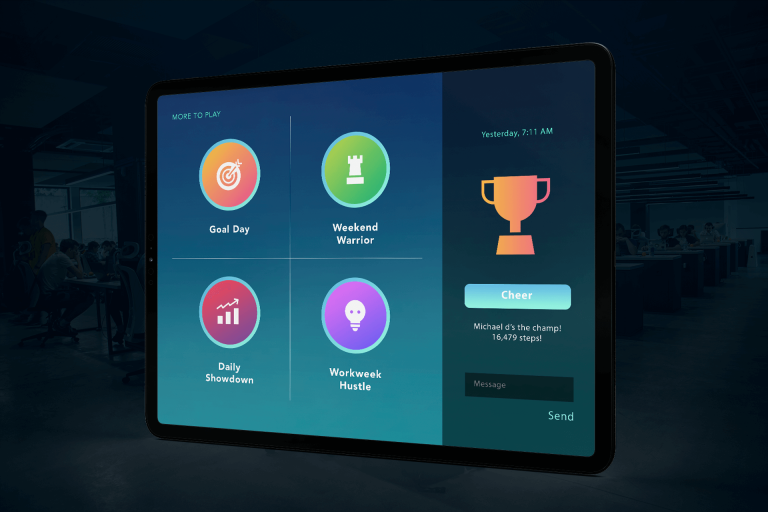
- Increase engagement: A/B testing allows developers to experiment with features that can enhance user interaction. A fitness tracking app, for example, might test gamified features against a straightforward interface, discovering that users engage more with challenges and rewards.
- Boost conversions: The optimization of call-to-action buttons is critical for increasing purchase rates. An online retailer could test different color schemes or wording on their “Buy Now” buttons, discovering that a bright red button with “Shop the Sale” yields higher clicks than a more subdued option.
This data-driven approach not only enriches user satisfaction but also cultivates brand loyalty. A consistent application of A/B testing allows businesses to be agile, adapting to the evolving preferences of their users in real-time. In a market where user expectations are continually rising, maintaining relevancy means staying ahead of trends and fads.
As we delve deeper into the impact of A/B testing on user experience, it is essential to highlight successful case studies from major industry players. For instance, tech giants like Amazon and Netflix are known for their rigorous testing practices, enabling them to fine-tune user interfaces and features based on precise analytics. With the plethora of methodologies available, from multivariate testing to sequential testing, the possibilities for enhancing an app’s functionality and appeal are vast.
In conclusion, A/B testing is not merely a tool; it is a cornerstone of modern app development practices that empowers developers to create optimal user experiences driven by data. The continual refinement of an app through real-time feedback not only benefits the user but also supports the long-term sustainability of the business itself.
Understanding User Behavior Through A/B Testing
To truly enhance user experience in apps, developers must first uncover the subtle intricacies of user behavior. A/B testing serves as a powerful tool in this regard, providing insights that guide not only design but also feature optimization. By pitting one version of an app against another, businesses can gain a wealth of information about what resonates with users and what falls flat.
A/B testing works by dividing users into two or more groups, each exposed to different app variations. As they interact with these variations, developers track key metrics such as user engagement, task completion rates, and retention time. The data collected illuminates critical areas where the app may excel or require adjustments, fundamentally leading to a superior user experience.
Some notable advantages of A/B testing include:
- Refining User Interface: Changes to the look and feel of an app can significantly influence user satisfaction. For instance, a food delivery app may test two interface layouts—a grid view versus a list view—to see which allows for quicker ordering. Users often prefer interfaces that require less cognitive load, and A/B testing helps pinpoint those preferences.
- Personalizing Content: Users increasingly expect tailored experiences. A/B testing allows developers to experiment with personalized recommendations. A streaming service might test how different algorithms influence users’ choices, thus uncovering what types of content keep users engaged longer.
- Optimizing Onboarding Processes: The initial experience can set the tone for user satisfaction and retention. A mobile game might implement A/B testing for its onboarding tutorial, evaluating whether users prefer a brief overview or a more detailed walkthrough. The results could reveal which method correlates with higher retention rates.
By examining various aspects of user experience through the lens of A/B tests, developers can continually iterate their app design and features. This method transcends mere guesswork; instead, it pivots on empirical data that reveal clear user preferences. Companies that embrace a culture of A/B testing position themselves to remain agile in a rapidly changing market, adapting their apps based on user feedback.
Interestingly, the success of A/B testing is not confined to tech startups or seasoned digital giants; small businesses are leveraging these strategies too. For instance, a local retail app may utilize A/B testing to assess varying promotional banners seen by users, measuring which drives foot traffic to their physical location. Such applications demonstrate the versatility and practicality of A/B testing across different sectors.
With a commitment to continual improvement through A/B testing, app developers can foster a cycle of ongoing enhancements. This approach not only refines the app but also secures a deeper emotional connection with its users, ultimately resulting in higher loyalty and engagement rates.
Exploring the Mechanics of A/B Testing in App Development
In the increasingly competitive landscape of mobile applications, understanding how users interact with your product is crucial. A/B testing, a method of comparing two versions of an app—Version A and Version B—can provide critical insights into user preferences and behaviors. By measuring the impact of different elements, such as button colors, layout options, or feature placements, developers can refine their apps to create an enhanced user experience.One key advantage of A/B testing is its data-driven approach. Using analytics, developers can track user engagement and conversion rates, helping them make informed decisions. This eliminates guesswork and allows teams to focus on what really resonates with their users. For instance, a study revealed that apps which employed A/B testing saw an average increase of 20% in user retention compared to those that did not.In addition, A/B tests can uncover user preferences that developers may not have anticipated. By gathering user feedback through tests, app creators can identify pain points and areas for improvement, leading to a more user-centric design. This responsiveness to user needs contributes significantly to overall satisfaction, fostering loyalty and encouraging users to recommend the app to others.
Benefits of A/B Testing in User Experience Enhancement
To visualize the real-world application of A/B testing in enhancing user experience in apps, consider the table below:
| Category | Benefits |
|---|---|
| Data-Driven Decisions | Real insights lead to less guesswork and more strategic choices. |
| Enhanced User Engagement | Optimized features lead to higher interaction and satisfaction rates. |
By implementing A/B testing, developers can position their apps for success through constant iteration and improvement based on user feedback. The opportunity to adapt quickly in response to user data not only improves the app but also creates a culture of ongoing enhancement—a crucial element for thriving in today’s tech-driven world.
Driving Decision-Making with Data-Driven Insights
The essence of A/B testing lies in its capacity to produce data-driven insights that transcend subjective opinions. By analyzing metrics, businesses can make informed decisions that align closely with user needs. For instance, an e-commerce app can test different call-to-action buttons—“Buy Now” versus “Add to Cart”—to determine which leads to a higher conversion rate. Such tweaks may seem minor, but they can significantly impact purchase behaviors and campaign outcomes.
Moreover, A/B testing facilitates the evaluation of app performance in varying market conditions. In a dynamic landscape where user preferences can shift rapidly, continuous testing becomes crucial. For example, an app tailored for millennials might find that during the holiday season, users show a greater affinity for discount notifications, prompting a shift in marketing strategies based on real-time feedback. This agility allows developers to create features that resonate with users, ensuring that the app remains relevant and engaging.
Enhancing User Engagement through Behavioral Insights
A/B testing can unpack the complexity of user engagement. For instance, social media apps often experiment with different types of content—videos, images, or text—to gauge what captures user attention. By identifying which content type maximizes interaction, developers can tailor their offerings to align with user behavior. A study revealed that posts with images receive 94% more views than those without, highlighting the critical role of visual content. A/B testing provides the empirical backing needed to refine content strategies accordingly.
Additionally, A/B tests can optimize notifications—a crucial touchpoint in app usage that can either delight or annoy users. Consider a travel app that experiments with different notification timings for flight alerts. A user group receives alerts one hour before departure, while another receives them two hours prior. By analyzing the resulting app engagement, the company can determine the optimal timing to ensure users feel informed rather than overwhelmed. This nuanced understanding of user preferences helps create a tailored user experience that fosters loyalty.
Inducing Loyalty with Continuous Iteration
Engaging users is only half the battle; retaining them is the ultimate goal. A/B testing provides a mechanism for continuous iteration by facilitating small, manageable changes that bolster user satisfaction. Take, for example, a fitness app introducing a new feature such as workout reminders. It can test various designs and wording for the reminder notifications to discover forms that lead to more consistent user engagement. This iterative approach not only keeps the user experience fresh but encourages users to return regularly, thereby increasing retention rates significantly.
Furthermore, A/B tests can extend beyond user interfaces and functional modifications to explore even broader themes such as pricing models. A subscription-based app might compare a monthly versus an annual subscription rate for user satisfaction. An analysis of conversion rates and user feedback can inform strategic pricing decisions that enhance affordability and value perception, ultimately driving user acquisition.
Conclusively, the application of A/B testing is fundamental not only for understanding user preferences but also for adapting to an ever-changing digital landscape. By leveraging this testing methodology, businesses can foster an environment of continuous improvement and user-driven innovation—a combination that defines successful apps in today’s competitive marketplace.
Conclusion: Unlocking Potential Through A/B Testing
In the rapidly evolving world of mobile applications, A/B testing emerges as a critical tool for enhancing user experience and driving app success. This methodology empowers developers to lean on empirical data rather than guessing, systematically testing various features and interfaces to understand user preferences. From subtle changes in button phrases to testing different content formats, A/B tests illuminate user behavior in ways that traditional analytics cannot. As apps strive to foster user engagement and retention, these insights become indispensable.
Moreover, the continuous iteration facilitated by A/B testing keeps apps relevant, adapting swiftly to changing user expectations. Insights gained from testing not only inform design choices but also guide marketing strategies and pricing models, offering invaluable direction for businesses aiming to optimize their offerings. A prominent example is the fitness app, which dynamically adjusts reminder notifications to maximize user interaction, demonstrating that knowing the right frequency and timing can transform user experience.
In an era where user experience is tantamount to building brand loyalty, A/B testing illustrates a proactive approach to understanding and meeting user needs. As businesses in the United States and beyond continue to innovate and compete in the mobile app landscape, embracing A/B testing strategies will undoubtedly position them for long-term success. In conclusion, the commitment to data-driven decision-making, driven by A/B testing, holds the key to creating engaging, productive, and user-centric applications in today’s competitive market.
Related posts:
Strategies for Integrating User Feedback in the App Development Cycle
The Impact of Personalization on User Satisfaction in Applications
The Impact of Responsive Design on User Experience Across Different Devices
The Role of Intuitive Navigation in User Retention in Apps
The Importance of Accessibility in User Experience in Applications
The Importance of Accessibility in App Design: Ensuring Inclusive Experiences

Beatriz Johnson is a seasoned tech writer and digital tools expert with a passion for simplifying the complexities of technology and mobile applications. With over a decade of experience in the tech industry, she specializes in topics like productivity apps, software reviews, and emerging digital trends. Through her work, Beatriz empowers readers to make informed technology choices and stay ahead in the ever-changing world of apps and innovation.