How to Protect Your Data in Health and Wellness Apps
The Importance of Data Security in Health Apps
As we embrace the convenience of health and wellness applications, it’s essential to pause and reflect on a pressing concern: data security. These digital tools have transformed how individuals monitor their physical and mental well-being, offering insights and tracking capabilities that were once unimaginable. However, with this innovation comes the heightened need to ensure that personal and sensitive health information remains protected.
Understanding Encryption
One of the first lines of defense in protecting your health data is ensuring that the application utilizes robust encryption protocols. Encryption converts your sensitive information into a coded format that makes it inaccessible to unauthorized users. Look for apps that implement end-to-end encryption, which secures your data from the point of origin to its final destination, safeguarding it during transmission over the internet. This is particularly crucial when you are using public Wi-Fi networks, where data can easily be intercepted.
Assessing Permissions
Another critical aspect is being cautious about the permissions that apps request. It’s not uncommon for health applications to ask for access to various features of your device, such as your contacts, location, or camera. Be vigilant; apps that request excessive permissions not directly related to their functionality may pose a privacy risk. Before downloading an app, check the permissions it requires and think critically about whether those permissions are truly necessary.
Reviewing Privacy Policies
Additionally, take the time to read the privacy policies of the health apps you use. While it might seem tedious, this document outlines how your information will be collected, stored, and shared. Look for clear language regarding data retention and whether your data will be anonymized. Understanding these terms can prevent unpleasant surprises down the line. With nearly 50% of users ignoring data privacy measures, a thorough review of these policies is more important than ever to mitigate potential breaches of personal information.
The Ongoing Challenge of Awareness
The landscape of health applications is vast and growing. From fitness trackers to mental wellness apps, users across the United States are increasingly relying on digital solutions to support their health goals. However, the convenience of these apps must be balanced with vigilance in safeguarding personal health data. By integrating basic security practices into your digital habits, you can significantly reduce the risk of unauthorized access and enhance your peace of mind.
As you continue to explore the benefits of health applications, staying informed and proactive is essential. By prioritizing data security, you empower yourself to enjoy the advantages of technology without compromising your privacy.
DIVE DEEPER: Click here to discover how A/B tests can elevate user experience
Essential Strategies for Data Protection in Health Apps
In an era where digital solutions dominate our approach to health and wellness, understanding how to protect your data in these applications is paramount. The growing prevalence of health apps means that an increasing amount of sensitive data—ranging from medical history to daily health metrics—is stored and shared through various platforms. Given the implications of a data breach, adopting basic security measures can safeguard your privacy and promote responsible app usage.
Choosing Reputable Apps
The cornerstone of data security begins with the selection of apps. Not all health and wellness applications are created equal. When exploring options, prioritize apps from reputable developers with a history of transparent data practices. Conducting online research can be revealing; look for user reviews and expert analyses that highlight an app’s data security features. Apps that have received recognized certifications or endorsements from health authorities or security organizations often provide an added layer of reliability.
Utilizing Strong Passwords and Authentication
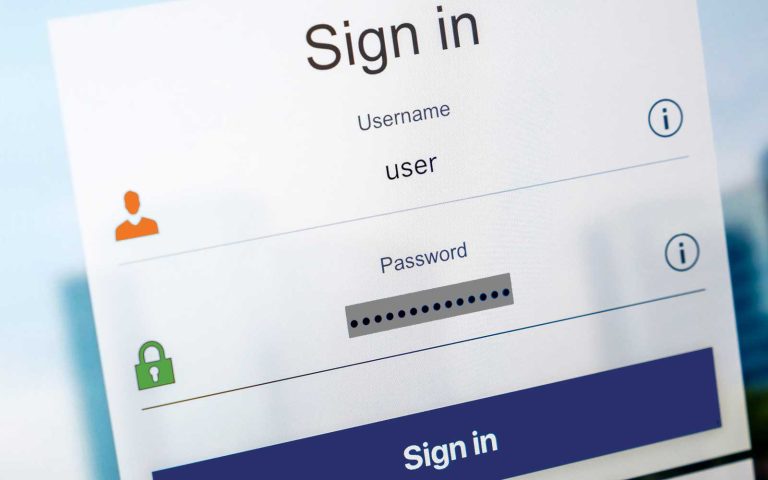
Creating robust passwords is another vital step in protecting your data. Simple or common passwords can easily be compromised, leading to unauthorized access to your health information. When setting up accounts, strive for a password that:
- Is at least 12 characters long
- Includes a blend of uppercase and lowercase letters, numbers, and special symbols
- Is unique—avoid reusing passwords across multiple platforms
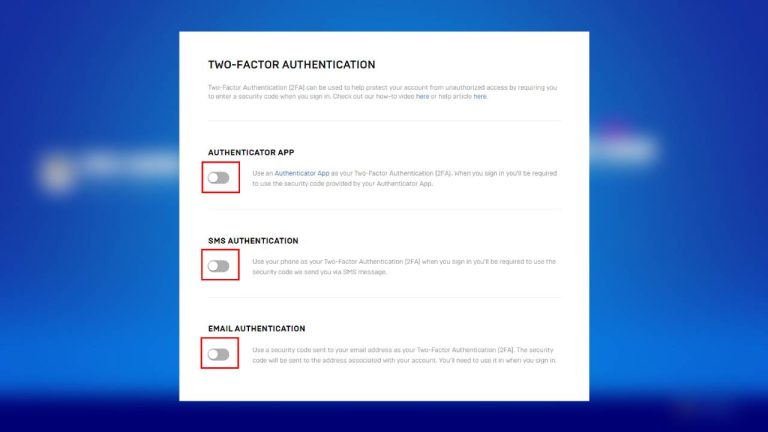
Additionally, consider enabling two-factor authentication if the app offers it. This extra layer of security requires a second form of identification, such as a text message code or an authentication app, ensuring that even if someone obtains your password, they cannot access your account without this second verification step.
Regularly Updating Apps
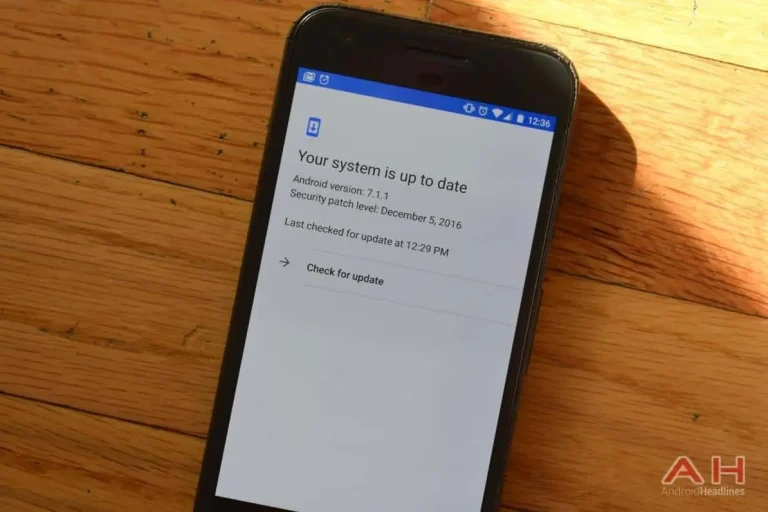
It’s also crucial to keep your health apps and device operating systems up to date. Developers frequently issue updates that fix security vulnerabilities and enhance functionality. By enabling automatic updates or frequently checking for new versions, you can ensure that your software remains resilient against potential threats. In fact, according to security professionals, more than 60% of data breaches are linked to outdated software that has known vulnerabilities.
Being Mindful of Data Sharing
Understanding how your health data is shared is essential for privacy protection. Some applications may require you to connect with social media accounts or share your information with third-party services for enhanced functionality. Always review the settings to control how much data you want to share and with whom. Disabling unnecessary sharing options can limit exposure and keep your personal information contained.
By implementing these strategies, you can take a proactive stance on data security in health and wellness applications. Awareness of app reputation, strong password practices, regular updates, and mindful data sharing are simple yet effective methods to transform your digital health experience. Stay informed, stay secure, and enjoy the benefits that health apps can provide without sacrificing your privacy.
| Advantage | Description |
|---|---|
| Data Encryption | Implementing data encryption ensures that sensitive information such as personal health records is rendered unreadable to unauthorized users, significantly enhancing security. |
| User Consent | Apps that prioritize user consent foster trust by allowing users to control what data is collected and shared, ultimately empowering them regarding their personal information. |
As consumers increasingly integrate health and wellness apps into their daily routines, understanding how to protect your data becomes paramount. Two key advantages highlight the essential steps developers and users alike can take to enhance data protection. Firstly, data encryption serves as a vital shield against potential breaches. By converting sensitive data into a secure format that can only be decrypted by authorized parties, encryption plays a crucial role in safeguarding information. This technique defeats potential cyberattacks aimed at accessing personal health details, making it a fundamental practice for app developers.Secondly, acknowledging the significance of user consent cannot be understated. Many apps request access to a myriad of personal data, and granting such permissions without informed consent can lead to data misuse. By giving users clear options and transparency regarding data usage, apps can not only comply with regulations but also build a stronger rapport based on trust and security. The combination of these practices is vital for both developers and users in the evolving digital health landscape, pushing for a culture that values data integrity and user rights. Exploring these elements further may uncover additional measures that can be implemented to secure health-related data.
DISCOVER MORE: Click here to enhance your knowledge
Advanced Techniques for Safeguarding Your Data
As the digital landscape evolves, so too do the methods for protecting your data within health and wellness apps. While basic strategies like choosing reputable apps and utilizing strong passwords are critical, there are more advanced techniques that can further enhance your security posture and minimize the risks associated with data breaches.
Understanding Privacy Policies
Before downloading any health app, take the time to read its privacy policy. While it may seem tedious, this document outlines how the app collects, uses, and shares your data. Pay special attention to whether the app sells your information to third parties or if it complies with industry standards like HIPAA (Health Insurance Portability and Accountability Act). Apps that are HIPAA-compliant are more likely to implement stringent safeguards to protect sensitive health data, meaning your privacy is taken seriously.
Leveraging App Permissions
Modern health and wellness applications often request permission to access various data types on your device, including location, contacts, and even camera functionality. It’s vital to review these permissions closely. Limit access to only what is essential for the app to function effectively. For example, if an app doesn’t need to track your location for its core features, deny it that access. This can significantly reduce the amount of personal data exposed and minimize the potential for unauthorized tracking.
Employing Data Encryption
Data encryption serves as a vital line of defense against cyber threats. When data is encrypted, it transforms into a code that cannot be accessed without the proper decryption keys. Ensure that the health apps you use employ end-to-end encryption to protect your personal information from being intercepted during transmission. This is especially relevant for apps that store health metrics or communicate with healthcare providers. Research the app’s security specifications or reach out to customer support for confirmation on their encryption practices.
Using a Virtual Private Network (VPN)
Consider using a Virtual Private Network (VPN) whenever you connect to the internet, especially when using public Wi-Fi networks. A VPN creates a secure tunnel for your internet traffic, masking your IP address and encrypting all data exchanged between your device and the internet. This added layer of privacy makes it considerably more challenging for cybercriminals to access your personal data, providing a safer environment for using health and wellness apps.
Staying Informed about Cybersecurity Trends
The realm of cybersecurity is dynamic, with threats and vulnerabilities constantly emerging. Remaining informed about the latest cybersecurity trends can empower you to take preventive measures. Follow reputable tech blogs, subscribe to newsletters from cybersecurity experts, and consider attending webinars or workshops on data privacy. By staying updated, you can better understand potential threats and enhance your ability to protect your health data.
Periodic Data Audits
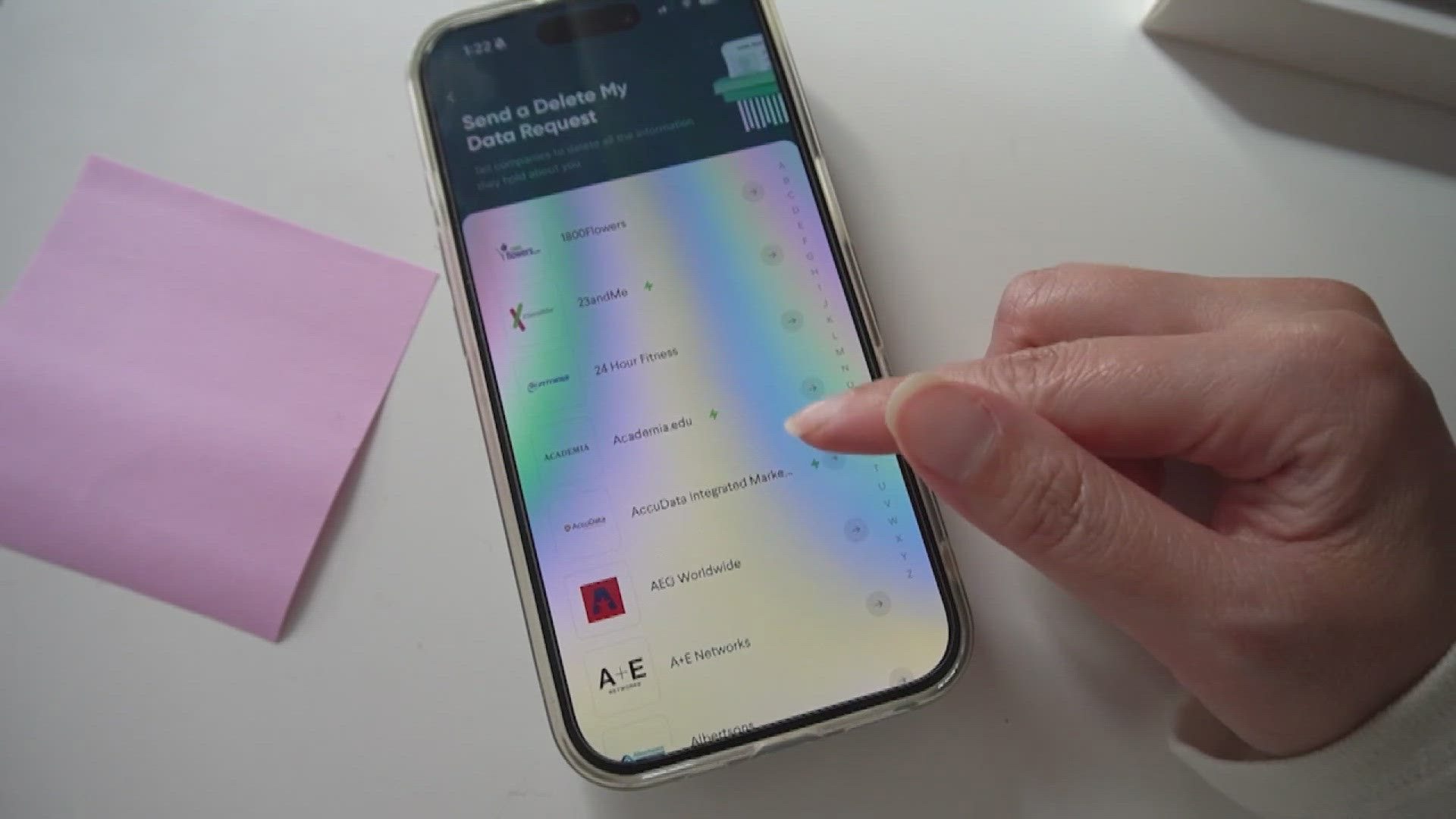
Taking stock of your digital footprint can be enlightening. Consider conducting periodic data audits to assess which apps have access to your health information and which data they hold. Review your accounts at least every few months and delete apps you no longer use or need. Removing unused applications can help reduce the amount of personal information that is potentially at risk.
By incorporating these advanced techniques into your data protection strategy, you can cultivate a more secure environment for your health and wellness applications. From understanding privacy policies and leveraging app permissions to employing encryption and using a VPN, being proactive about information security leads to better protection for your personal data in an increasingly interconnected world.
DIVE DEEPER: Click here to discover how A/B tests can enhance your app’s user experience
Conclusion
In conclusion, safeguarding your data in health and wellness apps is not only a necessity but a responsibility in this digital age. As we increasingly rely on these apps to monitor our well-being, it is essential to adopt proactive measures to protect our sensitive information. By understanding privacy policies, diligently managing app permissions, and ensuring that the applications we use employ robust data encryption, we can significantly reduce the risk of data breaches.
Moreover, leveraging security tools like Virtual Private Networks (VPNs) and conducting periodic data audits enables users to create a robust protective shield around their personal information. By staying informed about the latest cybersecurity trends and practices, we empower ourselves to make informed choices in an ever-evolving landscape. Remember, the onus of data protection does not solely lie with the app developers; we, as users, must remain vigilant and proactive.
As you integrate health and wellness apps into your daily routine, take these considerations to heart. Share this knowledge with peers and loved ones, ensuring that everyone understands the importance of data protection. By cultivating a culture of security awareness, we can enjoy the benefits of technology while minimizing the risks associated with personal data exposure. As technology advances, let us remain one step ahead in securing our health information.
Related posts:
Strategies for Secure Password Management in Various Applications
Safety Tips for Using Cloud Storage Applications
How to Protect Your Personal Data on Social Media Apps
How to Identify and Avoid Malicious Apps on Your Mobile Device
How to Identify and Avoid Phishing in Messaging Apps
Tips for Enabling Two-Factor Authentication in Your Favorite Apps

Beatriz Johnson is a seasoned tech writer and digital tools expert with a passion for simplifying the complexities of technology and mobile applications. With over a decade of experience in the tech industry, she specializes in topics like productivity apps, software reviews, and emerging digital trends. Through her work, Beatriz empowers readers to make informed technology choices and stay ahead in the ever-changing world of apps and innovation.