The Importance of Two-Factor Authentication in Popular Apps
The Growing Importance of Cybersecurity
In an era where our lives are increasingly intertwined with technology, the need for robust cybersecurity measures cannot be overstated. The alarming frequency of data breaches, identity theft incidents, and hacking attempts has made it imperative for individuals to take control of their online security. This is where two-factor authentication (2FA) emerges as a crucial instrument in the defense against cyber threats.
Understanding Two-Factor Authentication
Two-factor authentication enhances security by requiring two forms of identification before accessing an account. This typically involves something you know (a password) combined with something you have (like a smartphone or a hardware token). The mechanics of 2FA often take the shape of a verification code sent via SMS, an authentication app, or even biometrics like fingerprints. Such a system greatly lessens the likelihood of unauthorized access, as an intruder would need not only the password but also have physical access to the second form of verification.
Reasons to Embrace Two-Factor Authentication
Consider these compelling reasons why 2FA is indispensable in today’s online environment:
- Enhanced Security: The layering of security protocols means that even if a password is compromised, a cybercriminal would still be thwarted by the second checkpoint. For instance, many individuals have experienced the stress of forgetting a password, only to access their accounts with a simple verification code sent to their phones.
- Prevention of Identity Theft: The rise of phishing attacks—where fraudsters manipulate users into giving away their login information—can be countered effectively with 2FA. Imagine receiving a suspicious email claiming to be from your bank. Even if you mistakenly enter your password, 2FA would still protect your account by requiring that additional verification step.
- Widespread Adoption: A variety of popular platforms including Google, Facebook, and Microsoft have integrated 2FA to secure their users. This widespread implementation not only indicates its importance but also highlights that users are more likely to trust platforms actively supporting robust security measures.
The Risks of Avoiding Two-Factor Authentication
Neglecting two-factor authentication can have severe consequences. Reports indicate that over 90% of data breaches are due to compromised credentials, many of which could have been averted with 2FA in place. As cybercriminals become increasingly sophisticated, using tools to bypass single-factor security measures, it becomes evident that additional layers of protection are essential.
Conclusion: A Call to Action
As technology advances and online threats evolve, understanding the importance of two-factor authentication is crucial for everyone who values their digital presence. By embracing 2FA, individuals not only protect their personal information but also contribute to a safer online community. The tools are available, and the knowledge is crucial. Educating oneself and implementing these security measures can make all the difference in safeguarding your identity in this digital age.
DIVE DEEPER: Click here to discover how A/B tests can enhance user experience
Strengthening Security Through Verification
As we dive deeper into the significance of two-factor authentication, it becomes clear that each user’s online safety can significantly benefit from implementing this simple yet effective extra layer of security. The evolving landscape of digital threats necessitates a questioning of traditional security measures that often rely solely on a password. With a staggering number of accounts compromised due to weak or stolen credentials, the need for an additional verification step has never been more pressing.
According to a study by the Cybersecurity & Infrastructure Security Agency (CISA), more than 80% of data breaches involve weak or stolen passwords. In response, U.S. companies and individuals alike need to prioritize the integration of two-factor authentication across popular applications where sensitive data is stored. This transition is not just about safeguarding personal information; it reflects a broader vulnerability that many users often overlook.
The Mechanics of Two-Factor Authentication
Understanding how two-factor authentication operates can demystify its necessity. The typical 2FA process usually encompasses:
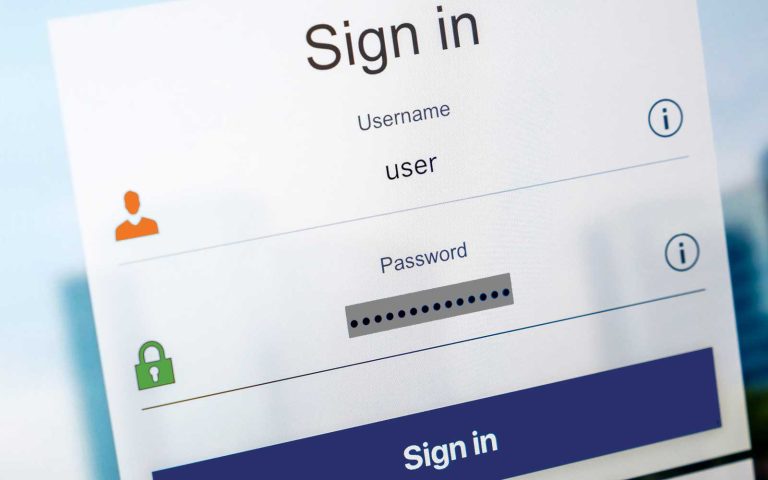
- Password Entry: First, the user enters their unique password.
- Verification Code: They then receive a time-sensitive verification code via SMS or an authentication app, or they may use biometric data such as a fingerprint or facial recognition.
This dual requirement creates a significant barrier against unauthorized access. Even if an attacker manages to intercept a password (through phishing schemes or hacking), they are faced with a secondary safeguard that can only be accessed by the legitimate user. Such protective methodologies underscore the value that many established apps and platforms are placing on 2FA, promoting it as a best practice for securing user accounts.
Real-Life Examples and Adoption
Several high-profile cases have illustrated the need for two-factor authentication. For instance, major companies like Facebook have faced breaches impacting millions of users. Following these incidents, platforms have reinforced the importance of 2FA, with notifications urging users to enable this feature for their accounts.
In addition, services like Google and Apple have spearheaded initiatives providing users not just with the option to enable two-factor authentication, but also with comprehensive guides on how to set it up. Moreover, banks and financial institutions are increasingly making 2FA a standard practice to protect customers’ sensitive financial data. This shift exemplifies a broader understanding that digital safety must be part of any significant online presence.
The rise in the adoption of two-factor authentication isn’t merely a trend; it signals a necessary shift towards vigilant cybersecurity practices. The message is clear: by participating in this proactive approach, individuals can significantly reduce their risk of falling victim to cybercrime, ensuring that their personal and financial information remains safeguarded.
The Importance of Two-Factor Authentication in Popular Apps
In an era where our personal and professional information is increasingly stored online, the effectiveness of security measures is paramount. Two-factor authentication (2FA) has emerged as a powerful tool to enhance security across various applications, making it harder for unauthorized users to gain access. Applications ranging from social media platforms to online banking systems heavily rely on these measures to protect user accounts from potential breaches.
By implementing 2FA, users benefit from an additional layer of security that extends beyond traditional password protection. Passwords can be weak, reused, or easily compromised; however, 2FA requires users to provide a second form of identification, such as a text message code or authentication app confirmation. This dual verification process not only boosts individual account security but also significantly contributes to reducing the overall risk of identity theft.
Moreover, with the rise of sophisticated hacking techniques, the need for robust defenses has never been clearer. Many popular apps now recommend or even mandate the use of 2FA, encouraging users to make this simple yet effective change. As cyber threats evolve, staying informed and proactive through features like two-factor authentication becomes a crucial practice for anyone using online services.
| Advantages | Key Features |
|---|---|
| Enhanced Security | Requires an additional verification method |
| Reduced Identity Theft Risk | Difficult for hackers to access accounts |
As the digital landscape continues to grow, adopting simple security measures like two-factor authentication has become imperative. Protecting your personal information should be a priority for every user of popular apps. Embracing this security technology not only safeguards your accounts but also instills confidence in the way your data is managed online.
DISCOVER MORE: Click here to learn how A/B tests can enhance user experience
The Expanding Landscape of Two-Factor Authentication
As users become increasingly savvy about digital security, the implementation of two-factor authentication (2FA) is evolving in response to modern demands. More than just a safeguard against unauthorized access, 2FA systems are adapting to incorporate multifaceted methods of verification. As techniques used by cybercriminals grow ever more sophisticated, it’s vital that the solutions we adopt also evolve.
Consider the recent surge in using authentication apps like Authy or Google Authenticator, which generate codes that are valid for a limited time. Unlike SMS verification codes that could be intercepted through various phishing techniques, these codes generated by such apps are stored locally on the user’s device, greatly enhancing security. This proactive approach indicates a shift towards more robust forms of 2FA, which are being embraced not only by tech giants but also by small businesses looking to protect customer data.
Regulatory Landscape and Compliance Challenges
In addition to growing awareness among users, regulatory bodies are also paving the way for the normatives surrounding security protocols to be redefined. Recently, regulations such as the General Data Protection Regulation (GDPR) and the California Consumer Privacy Act (CCPA) have placed a heightened emphasis on data protection. Organizations found negligent when safeguarding user data could face steep fines, making the integration of two-factor authentication not just an effective measure for safeguarding accounts, but a mandatory practice for compliance.
Employers must also consider the implications of 2FA on workplace environments. Cybersecurity breaches can lead to not only data loss but also reputational damage. A survey conducted by Cybersecurity Ventures suggests that cybercrime will cost the world $10.5 trillion annually by 2025. This alarming statistic underscores why businesses must initiate processes to enhance their in-house security with 2FA. With tools now available for virtual private networks (VPNs) and corporate applications, business accounts can implement five-star defenses via two-factor authentication.
Challenges of Adoption
While the benefits of two-factor authentication are clear, there are challenges to widespread adoption that deserve attention. Many users express frustration due to the perceived inconvenience of requiring an additional step when logging in. Furthermore, during travel or in cases of device loss, access to authentication codes can become complicated, leading to potential lockouts. This highlights the necessity for seamless user experience in the implementation of 2FA.
To combat these challenges, application providers are exploring backup methods for users, such as backup codes or alternative authentication prompts. As customer education becomes increasingly vital, developers are encouraged to provide clear pathways and user-friendly interfaces to support users during the setup and login processes. Engagement through tutorials or prompts to enable 2FA is essential for driving positive changes in user behavior.
In light of these evolving dynamics, the question of security will continue to shape our interactions with technology. The integration of two-factor authentication is proving to be a non-negotiable element in the ever-growing tapestry of online safety, with ongoing advancements promising not only to shield users but fundamentally reshape how we think about digital security.
DISCOVER MORE: Click here to learn how A/B tests can enhance your app’s user experience
Conclusion: Embracing a Safer Digital Future
In an era where digital threats are more pervasive than ever, the implementation of two-factor authentication (2FA) in popular apps stands as a critical line of defense. As highlighted throughout this article, 2FA not only enhances security by adding an extra layer of verification but also aligns with the growing regulatory standards forcing organizations to prioritize user data protection. From authentication apps like Authy and Google Authenticator to compliance mandates like the GDPR and CCPA, the case for 2FA is both compelling and urgent.
However, the journey toward universal adoption remains fraught with challenges. User inconvenience and complexities during transitional phases can hinder enthusiasm for this vital feature. To combat these hurdles, app providers have a responsibility to ensure that two-factor authentication is easy to use and accessible, while educating users about its necessity in safeguarding their accounts. By investing in intuitive interfaces and robust customer support, developers can significantly increase the likelihood of 2FA adoption.
As cybercrime continues to escalate—with projections estimating a global cost of $10.5 trillion annually by 2025—the push for enhanced security measures, including 2FA, is more crucial than ever. Businesses and individual users alike must recognize the importance of this technology not only for personal security but as a necessary step in fostering a safer digital landscape. As we look to the future, embracing two-factor authentication will be essential in reshaping our relationship with technology and ensuring our digital identities remain protected.
Related posts:
How to Identify and Avoid Phishing in Messaging Apps
How to Protect Your Personal Data on Social Media Apps
How to Protect Your Mobile Devices from Malware in Apps
Cryptography Techniques to Enhance the Security of Your Files in Applications
How to Set Up Security Alerts in Online Shopping Apps
Safety Tips for Using Cloud Storage Applications

Beatriz Johnson is a seasoned tech writer and digital tools expert with a passion for simplifying the complexities of technology and mobile applications. With over a decade of experience in the tech industry, she specializes in topics like productivity apps, software reviews, and emerging digital trends. Through her work, Beatriz empowers readers to make informed technology choices and stay ahead in the ever-changing world of apps and innovation.