How Gamification in Apps Can Boost Your Motivation and Productivity
Understanding Gamification
In today’s fast-paced environment, the ability to maintain focus and motivation while tackling everyday tasks has become increasingly complicated. This is where gamification in applications plays a crucial role, offering an innovative solution to enhance productivity and engagement. By incorporating game-like elements, these applications can transform otherwise mundane routines into lively and captivating challenges, encouraging users to remain committed and productive.
Key Components of Gamification
The effectiveness of gamification lies in its structured approach, which often encompasses several key components that promote user engagement:
- Reward Systems: Many apps implement points, badges, and various achievements that serve as powerful incentives. For example, users of fitness apps may earn badges for completing specific workouts or reaching personal records, providing them with a sense of accomplishment.
- Progress Tracking: Visual representations such as progress bars or charts allow users to see how far they’ve come in their journey. This ongoing feedback can become a crucial motivator. Users tend to stay more engaged when they notice visible changes in their performance, such as the number of tasks completed or milestones reached.
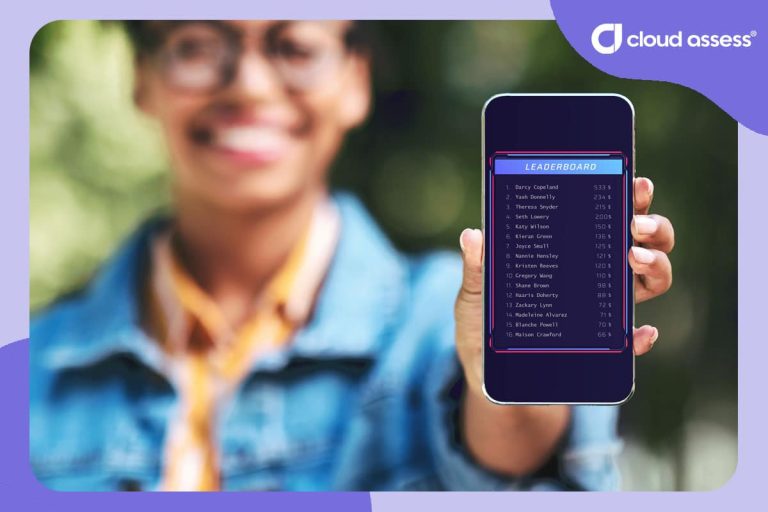
- Competitive Elements: Leaderboards often foster a sense of healthy competition among users. Apps like Strava allow friends to compare workout results, pushing individuals to set higher goals and outperform each other, ultimately driving personal achievement.
Real-World Applications of Gamification
The effectiveness of gamification can be observed in numerous popular applications across various fields, demonstrating its versatility:
- Fitness Apps: Strava and Fitocracy are prime examples where gamification meets fitness. By introducing challenges that require users to meet specific goals or compete against others, these apps motivate individuals to maintain an active lifestyle. Users can share their progress, join workout challenges, and earn rewards for meeting milestones, making fitness engaging.
- Productivity Tools: Todoist and Habitica have revolutionized the way people organize their tasks. These apps turn daily to-dos into a role-playing game where users can earn points and level up by completing tasks. This fresh perspective fosters commitment and encourages users to tackle their to-do lists with vigor.
- Learning Platforms: Duolingo, a widely celebrated language learning platform, employs gamified lessons to enhance the educational experience. Users earn points for correct answers, unlock new levels, and compete against friends, making language acquisition not only educational but also fun.
The Future of Gamification
As we delve deeper into the insights of how gamification contributes to motivation and productivity, it’s essential to recognize the potential beyond traditional applications. The integration of game mechanics into everyday tasks can fundamentally transform the perception of work and learning. By tapping into intrinsic motivations and fostering engagement through rewards and community, gamification presents an exciting frontier for the education, corporate, and wellness industries.
The possibilities are vast, and as technology evolves, the potential for gamification to reshape our daily interactions and enhance productivity is boundless. As you reflect on your own routines, consider how these game-inspired strategies can revitalize your approach to tasks. Exploring gamification could lead you to a more motivating and productive lifestyle.
DISCOVER MORE: Click here to learn how A/B tests can enhance user experience
The Psychology Behind Gamification
Understanding gamification requires a look into the psychology that drives human behavior. By leveraging various psychological principles, gamified applications create environments that are both engaging and motivating. One of the core aspects of this is the concept of intrinsic motivation, which refers to engaging in an activity for its own sake rather than for an external reward. Gamification taps into this intrinsic motivation by making tasks more enjoyable, thereby fostering a sense of accomplishment that fuels persistence and productivity.
Another significant psychological principle is the goal-setting theory. When users are faced with clear, achievable goals, they are more likely to stay focused and motivated. Gamified applications often break down larger objectives into smaller, manageable tasks. This segmented approach not only helps prevent feelings of overwhelm but also offers frequent opportunities for users to experience success, reinforcing their drive to continue pursuing their goals.
How Gamification Influences Behavior
One of the most compelling aspects of gamification is its ability to influence user behavior in various contexts. Here are several ways gamified applications effectively shift user behavior:
- Encouragement of Consistency: By introducing streaks or daily challenges, gamified apps encourage users to develop consistent habits. For instance, language learning platforms often reward users for their daily practice streaks, making it easier for them to integrate learning into their daily routines.
- Fostering Community: Many gamified applications facilitate community interaction through features like leaderboards, where users compete against one another. This social aspect motivates individuals to engage more deeply with the application, as they feel a sense of accountability to their peers.
- Reducing Procrastination: Gamification can also reduce procrastination by creating a sense of urgency and immediacy within tasks. By adding time-sensitive challenges or goals, users are often more inclined to tackle tasks promptly rather than delaying them.
Each of these behavioral influences underscores gamification’s potential to significantly boost productivity. The playful nature of game design not only makes tasks enjoyable but also reframes perspective toward work and commitment. This transforming effect can lead to newly developed habits, increased efficiency, and a greater sense of satisfaction in completing everyday activities.
Personalization in Gamified Experiences
Another fascinating aspect of gamified applications is the ability to personalize experiences. Tailored challenges and rewards resonating with individual users can significantly enhance motivation. For example, an app may suggest specific challenges based on past behaviors or interests, ensuring that users remain engaged by having their preferences acknowledged. This further deepens the connection between the user and the application, making the pursuit of goals not only more enjoyable but also more relevant.
By exploring how gamification taps into psychological principles and personalizes user experience, we can begin to understand its remarkable power in transforming productivity. The next section will delve deeper into real-world applications that highlight these principles in action, illustrating how popular platforms are already leveraging gamification to help users stay motivated and productive.
| Advantages of Gamification | Details |
|---|---|
| Increased Engagement | Gamification transforms mundane tasks into engaging activities, making users more likely to participate and return. |
| Enhanced Learning | Through rewards and competition, users are encouraged to improve skills and knowledge, fostering continuous development. |
| Goal Achievement | Gamified apps enable users to set, track, and achieve goals, providing a sense of accomplishment and motivation. |
| Community Building | Gamification often incorporates social elements that help users connect, share achievements, and foster collaboration. |
The application of gamification strategies can significantly change the dynamics of how users interact with apps. For instance, by implementing features like leaderboards and badges, apps can create a competitive yet supportive environment that encourages users to push their boundaries. Each interaction not only serves as a reminder of the user’s progress but also fuels their motivation to continue using the app. As users witness their milestones and achievements, they begin to associate productivity with positive reinforcement, leading to a virtuous cycle of improvement. An example of such effective gamification is seen in fitness apps where users can earn rewards for completing workouts. This simple technique transforms exercising from a chore into an exciting challenge, increasing the likelihood of consistent engagement. Furthermore, these apps often allow users to share their accomplishments, intertwining social interactions with personal goals. The thriving community can serve as a cornerstone, promoting user retention and ongoing motivation amidst diverse personal challenges faced by individuals. As we delve deeper into this innovative approach, it becomes evident that gamification is not just a fleeting trend; it has the potential to reshape how we view productivity and motivation in our daily lives. By harnessing the power of gaming principles, apps can offer more than mere functionality—they can deliver an enhanced experience that captivates users and encourages sustained efforts.
DISCOVER MORE: Click here to learn how A/B tests can enhance user experience
Real-World Examples of Gamification in Action
To truly appreciate the transformative effects of gamification on motivation and productivity, it’s essential to look at real-world examples of applications that have successfully integrated these principles. Various popular platforms demonstrate how gamification can support users in achieving their goals while also enhancing their overall experience.
One noteworthy example is Duolingo, a language-learning app that has effectively leveraged gamification to keep users engaged. By incorporating colorful progress bars, levels, and daily streaks, Duolingo makes learning a new language feel like a game. Users earn points for completing lessons, and the app gives them badges for reaching milestones, such as mastering specific skills or maintaining a consistent practice routine. This gamified approach not only motivates learners to return daily but also cultivates a sense of competition as users can compare their progress with friends, further driving engagement.
Another strong contender is Fitbit, a fitness tracking application that employs gamification through challenges and rewards. Fitbit users can participate in challenges with friends, earning badges for achieving specific fitness goals—such as walking a certain number of steps in a week or tracking their water intake. This competitive element encourages users to be more active, helping them establish healthier habits. As users become more engaged with their fitness journey, they also reap the rewards of improved health and well-being.
The role of gamification isn’t limited to fitness and language learning; it also extends into workplace productivity. Platforms like Trello utilize gamification techniques to enhance project management tasks. By enabling users to create boards with tasks that can be dragged and dropped in a visual manner, Trello offers a satisfying way to track progress. Team members can earn points or rewards based on task completion, motivating them to stay focused and efficient while collaborating. This gamified approach fosters a sense of ownership over their projects and encourages a consolidation of productivity within teams.
The Impact of Gamification on Education
Gamification also holds significant potential in educational settings. Applications like Kahoot!, which enable teachers to create interactive quizzes and games, demonstrate how gamified learning experiences can vastly improve student engagement. Students are often more motivated to participate when lessons feel like fun games, allowing them to compete with their peers while simultaneously absorbing valuable knowledge. This method has been shown to enhance retention rates and promote collaborative learning, as students often work together to tackle challenges.
Additionally, gamification in education can be tailored to each student’s learning pace. With apps like Classcraft, educators can construct personalized gaming experiences that cater to individual abilities, fostering a sense of accomplishment and intrinsic motivation in students. Research has shown that students exposed to gamified learning environments tend to exhibit greater self-efficacy, driving them to pursue learning opportunities steadfastly.
As these examples reveal, the infusion of gamification into diverse fields is a powerful strategy for improving motivation and productivity. By making tasks more engaging, fostering friendly competition, and creating community connections, these applications not only draw users in but also propel them toward success. The versatility of gamification means it can be beneficial across various contexts—be it personal development, education, or workplace productivity—ultimately reshaping how we approach and achieve our goals.
DIVE DEEPER: Click here to enhance your knowledge
Conclusion
In conclusion, the integration of gamification in applications has proven to be a remarkable tool for enhancing motivation and productivity. By transforming ordinary tasks into engaging challenges and providing users with tangible rewards, these apps have reshaped how we approach learning, fitness, and productivity in various aspects of our lives. From language learners conquering new vocabulary on Duolingo to fitness enthusiasts reaching their goals on Fitbit, gamification instills a sense of achievement and community that motivates users to consistently strive for improvement.
Moreover, gamified platforms like Trello and Kahoot! highlight the versatility of this approach, showcasing its effectiveness in both educational settings and workplace productivity. These applications remind us that with the right blend of fun, competition, and personalization, even the most mundane tasks can become rewarding experiences that drive success.
As the world increasingly embraces digital solutions, understanding how gamification works and leveraging its potential could not be more crucial. For individuals and organizations alike, adopting gamification strategies can lead to increased engagement, enhanced learning retention, and ultimately, a boost in overall productivity. By exploring and embracing these innovative tools, users can unlock new levels of motivation and achievement, paving the way for a more fulfilling journey towards their goals. In this ever-evolving digital landscape, investigate gamification further, and discover how it can elevatively redefine your personal and professional endeavors.
Related posts:
Tips for customizing notifications in apps and avoiding distractions
Integrating Voice Technologies to Increase Workplace Productivity
The Impact of Mind Mapping Apps on the Organization of Ideas and Projects
How Task Management Apps Can Transform Your Daily Routine
How to Use Habit Tracking Apps to Build a Productive Routine
Tips for Using Focus and Concentration Apps to Maximize Efficiency

Beatriz Johnson is a seasoned tech writer and digital tools expert with a passion for simplifying the complexities of technology and mobile applications. With over a decade of experience in the tech industry, she specializes in topics like productivity apps, software reviews, and emerging digital trends. Through her work, Beatriz empowers readers to make informed technology choices and stay ahead in the ever-changing world of apps and innovation.