How Gamification in Apps Can Stimulate Productivity in Projects
The Transformative Power of Gamification
In recent years, the strategy of gamification has emerged as a game-changer in various fields, particularly in enhancing user engagement and productivity in project management applications. By weaving game-like elements into everyday tasks, developers create interactive environments that significantly boost motivation and commitment among users. This phenomenon is increasingly relevant in corporate settings, where maintaining high levels of productivity is paramount.
To grasp the full impact of gamification, let’s examine some of its hallmark features:
- Points and Rewards: Users receive points for task completion, which serve as an incentive to stay focused and motivated. Some applications even allow users to redeem points for real-life rewards, creating a tangible connection between effort and benefit.
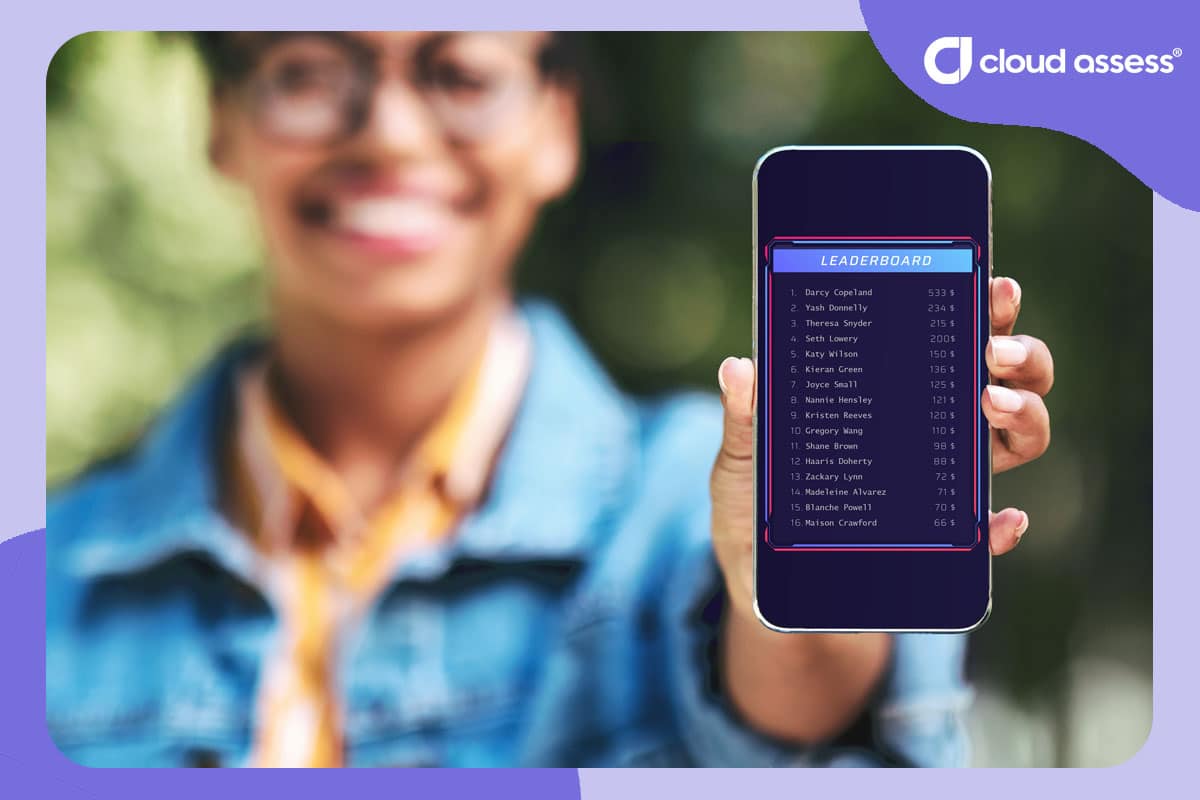
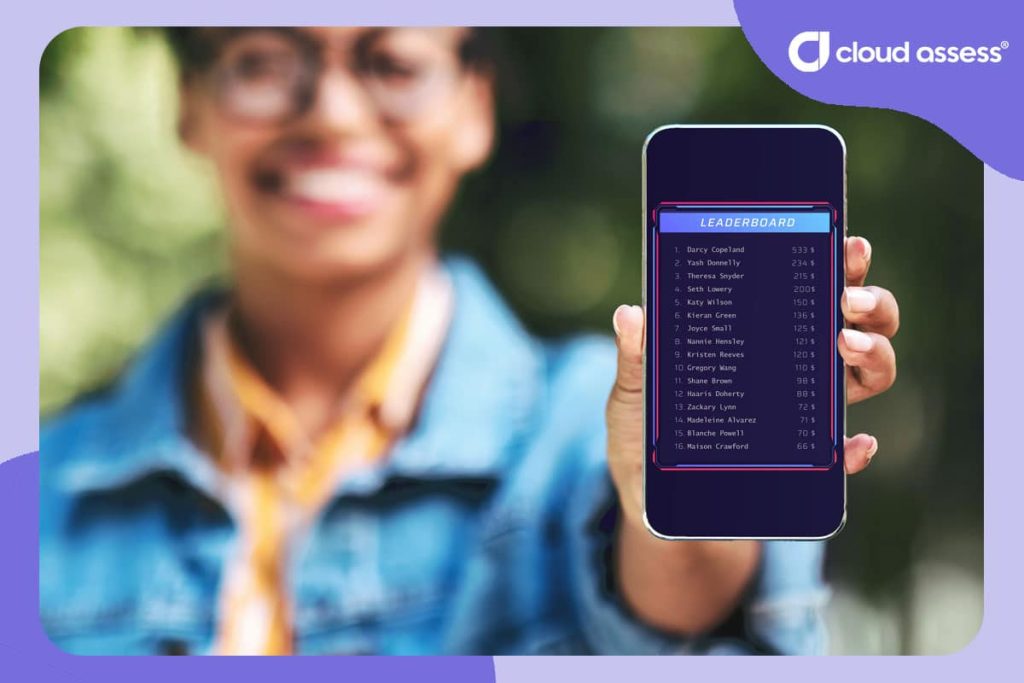
- Leaderboards: These foster a spirit of friendly competition as users track their performance against colleagues. For example, a team on a project management platform might be motivated to increase their productivity simply to see their name rise on the leaderboard, thereby enhancing collective output.
- Badges: Achievements are visually recognized through badges that showcase users’ milestones. This not only provides a sense of accomplishment but also encourages others to pursue similar successes, creating a culture of recognition and achievement within a team.
Engaging with apps featuring gamified elements has shown remarkable results. Research indicates that implementing gamification tactics can lead to productivity increases of up to 30% in project settings. Teams that use these applications often experience better collaboration and accountability, which are essential in today’s dynamic work landscape.
Consider popular applications like Trello or Asana, which incorporate gamified elements to various degrees. Users can see their progress via visual charts or receive notifications of their achievements, keeping them informed and motivated. Furthermore, platforms like Todoist offer Karma points that motivate users to complete tasks efficiently, thus promoting a productive workflow.
As the relevance of gamification continues to grow, it prompts a broader dialogue about the ways in which it reshapes our approach to work. Organizations keen on enhancing their project management skills should seriously consider integrating these interactive techniques. With the evolving nature of work culture, understanding how to stimulate productivity through gamification may become crucial not only for individual success but for the competitive edge of teams in the broader business landscape.
The intersection of work and play underscores a fundamental shift in how tasks are approached, making it imperative for both managers and employees to stay informed about these innovative tools and strategies. By exploring and embracing gamification, companies can pave the way towards enhanced productivity and more engaged teams.
DISCOVER MORE: Click here to learn how A/B tests can enhance your app’s user experience
Unlocking Engagement Through Game Elements
At the heart of gamification lies the strategic use of game design techniques to solve real-life challenges, particularly in the realm of project management. With the goal of enhancing productivity, gamified app features transform mundane tasks into engaging activities, thereby encouraging users to approach their work with renewed energy. This has proven to be especially impactful in a country like the United States, where the fast-paced corporate environment often leads to burnout and disengagement.
One of the key advantages of gamification is its ability to cater to various learning styles and personalities. By offering a spectrum of gameplay mechanics, developers can engage a wider audience. Below are some specialized approaches that gamified apps utilize to boost productivity:
- Progress Tracking: Visual reminders of progress, such as progress bars and completion percentages, can inspire users to reach their goals faster. The feeling of nearing completion can spark a drive to push through remaining tasks.
- Challenges and Quests: Many apps incorporate time-limited challenges or project quests that encourage users to achieve specific milestones within a set period. Completing these challenges can instill a sense of urgency, driving focus and efficiency.
- Feedback Systems: Instant feedback through scores or performance metrics allows users to understand their strengths and weaknesses. For instance, seeing a drop in performance can motivate individuals to adapt their strategies for future tasks.
These elements of gamification resonate with research, which suggests that teams using gamified platforms often report a higher level of job satisfaction, leading to improved performance. A study from the University of Michigan showed that companies that implemented gamification saw a 25% increase in employee engagement, directly correlating with enhanced productivity levels.
Moreover, the concept of ‘play’ can significantly alter how employees perceive their work environment. Winning certificates or virtual trophies for achieving specific project milestones can foster a culture of recognition, making every achievement—no matter how small—a stepping stone toward greater productivity. This contrast to traditional management approaches emphasizes a collaborative rather than punitive atmosphere, where success is shared and celebrated.
Incorporating elements of gamification into apps not only promotes individual productivity but encourages team collaboration and accountability. Flexible work environments increasingly depend on cloud-compatible project management tools that harbor gamified features. By taking the leap into gamification, organizations can catalyze improvements in project workflows and effectively uplift their teams.
As we delve deeper into the implications of gamification on productivity, the transformative potential of integrating these engaging elements into user experiences will become even more pronounced. Understanding how these features function within the broader scope of project management can equip businesses with the tools necessary to thrive in today’s competitive landscape.
| Gamification Features | Impact on Productivity |
|---|---|
| Reward Systems | Encourages engagement by rewarding users for completing tasks, thus increasing commitment. |
| Progress Tracking | Provides motivation by visually marking progress, helping users stay focused on their goals. |
| Challenges and Leaderboards | Fosters healthy competition, pushing users to achieve better results through friendly rivalries. |
Gamification utilizes strategy and psychological principles to enhance user experience in applications, particularly in project management. Reward systems are a powerful motivator, incentivizing users to complete tasks and reach their objectives. By integrating such features, apps can not only keep users engaged but also drive productivity through tangible rewards.Progress tracking is another critical aspect. When individuals can see their progress visually, it creates a sense of achievement, making them more likely to continue working towards their goals. This visual representation can positively influence their attitude towards ongoing projects.Furthermore, incorporating challenges and leaderboards promotes a sense of community and competition among users. As people strive to outperform their peers, it can lead to significant productivity gains. Gamification, when executed effectively, has the potential to transform mundane tasks into exciting challenges that drive results and foster collaboration.
DISCOVER MORE: Click here to learn how A/B tests can enhance your app’s user experience
Enhancing Team Dynamics Through Friendly Competition
Another compelling aspect of gamification in apps is its ability to foster a sense of community and teamwork among users. By introducing elements of friendly competition, employees can feel motivated not just by personal achievements but also by a collective spirit, enhancing overall project productivity. This collaborative atmosphere can be particularly advantageous in environments where teamwork is critical, such as in tech startups or creative agencies.
For instance, many gamified project management tools allow team members to participate in leaderboards, showcasing individual or team achievements. When employees can see their names climbing the ranks, it often sparks a healthy competitive edge that can push everyone to strive for excellence. A case study by Gallup revealed that employees who feel part of a highly engaged team were 21% more productive than their less engaged counterparts. This highlights the notion that competition, when harnessed effectively, can significantly boost productivity and morale.
Moreover, gamified apps can facilitate peer recognition in a way that traditional office settings may overlook. The use of badges, levels, or points systems not only provides a quantifiable metric of success but also allows peers to acknowledge each other’s efforts publicly. For example, a marketing team using a gamified app might reward bonuses for reaching specific campaign milestones, while simultaneously offering shout-outs during team meetings. Such recognition reinforces positive behaviors and encourages further contributions toward team goals.
Learning Through Play
A powerful benefit of gamification is its ability to promote learning and skill enhancement in a fun and engaging manner. Many gamified applications include simulation-based learning modules where employees can practice scenarios relevant to their work environment. This innovative approach enables team members to learn from their mistakes in a risk-free setting, ultimately fostering greater confidence when tackling real projects.
Companies like IBM have successfully utilized gamified learning modules to train employees in a variety of skills, resulting in a 40% increase in knowledge retention when compared to conventional training methods. This not only illustrates how gamification boosts personal development but also demonstrates the direct correlation with improved team performance on projects, exemplifying how a skilled workforce can yield significant benefits.
Data-Driven Insights
The integration of gamification also allows project managers to gather data-driven insights about team dynamics and individual productivity patterns. By analyzing these metrics, organizations can identify bottlenecks or inefficiencies in workflows, enabling a proactive approach to troubleshooting issues before they escalate. For example, if an app reveals that a specific team consistently falls behind in completing tasks, management can address underlying issues such as resource allocation or skills gaps. This level of awareness empowers organizations to maintain smooth, uninterrupted project progress.
Additionally, the feedback systems inherent in gamified apps can serve as valuable tools for performance reviews. Rather than relying on arbitrary deadlines or assessments, managers can use data from the gamification features to provide constructive feedback based on measurable achievements. Employees are likely to appreciate constructive criticism rooted in context and data, enhancing their engagement and commitment to projects.
Incorporating gamification into productivity applications provides organizations with innovative methods to redefine collaboration, competition, and learning among employees. The interactivity and engagement fostered by these features can be transformational in enhancing project outcomes, establishing an invigorated workforce that thrives on achieving both individual and collective success.
DISCOVER MORE: Click here to enhance your understanding
Conclusion
In summary, gamification in apps emerges as a powerful catalyst for stimulating productivity in project management. By blending engaging game-like elements with everyday tasks, organizations can create an environment where employees feel motivated and empowered. The incorporation of friendly competition not only fosters a sense of community but also enhances team dynamics, as teams rally together in pursuit of shared objectives. This collaborative atmosphere is essential in fast-paced environments, such as tech startups and creative agencies, where teamwork is vital for success.
Moreover, the emphasis on learning through play not only improves skill retention but also equips employees with the confidence needed to tackle real-world challenges. The data-driven insights gathered through gamified systems not only illuminate patterns in employee performance but also provide a strategic approach to overcoming obstacles in workflows. As organizations capitalize on these insights, they can make informed decisions that keep projects on track and enhance overall efficiencies.
Ultimately, the integration of gamification technologies signifies a shift towards a more engaged and productive workforce, where achievements are recognized, learning is encouraged, and both individual and collective successes are celebrated. As companies continue to innovate in this space, it will be fascinating to observe the evolving impact of gamification on workplace productivity in the United States and beyond. For those looking to enhance project outcomes, embracing these gamified applications might just be the key to unlocking the full potential of their teams.
Related posts:
Automation Tools: Simplifying Repetitive Tasks with Productivity Apps
How Gamification in Apps Can Boost Your Motivation and Productivity
The Best Keyboard Shortcuts to Boost Your Productivity in Popular Software
The Influence of Note-Taking Apps on Improving Productivity and Information Retention
How Task Management Apps Can Transform Your Daily Routine
The importance of mindfulness apps in maintaining productivity in work environments

Beatriz Johnson is a seasoned tech writer and digital tools expert with a passion for simplifying the complexities of technology and mobile applications. With over a decade of experience in the tech industry, she specializes in topics like productivity apps, software reviews, and emerging digital trends. Through her work, Beatriz empowers readers to make informed technology choices and stay ahead in the ever-changing world of apps and innovation.