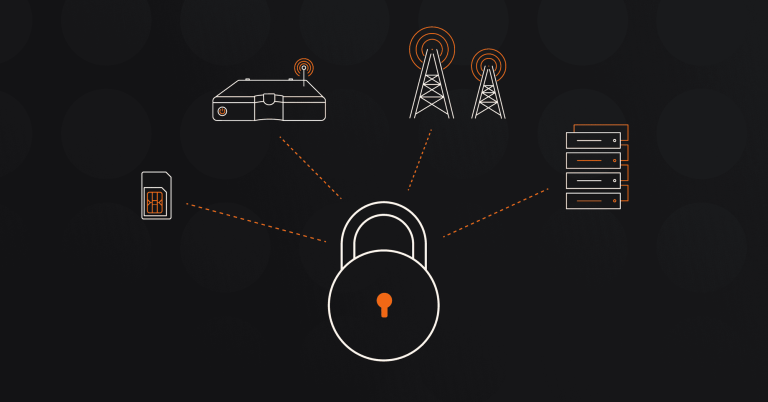
Device Management in Educational Environments: Tools and Strategies
The Importance of Effective Device Management
In today’s fast-paced learning environment, the incorporation of technology into the classroom is increasingly vital to foster engaging and interactive education. As schools and institutions continuously integrate diverse technologies, exploring effective device management strategies is essential for maximizing the benefits of these tools. However, the surge in digital devices presents multifaceted challenges, notably in deployment, security, and maintenance.
To navigate these challenges, device management encompasses a variety of tools and strategies aimed at streamlining educational operations. Understanding these key aspects can illuminate how technology can transform learning experiences:
- Device Deployment: Effective strategies for distributing devices involve not just logistical considerations but also ensuring that both educators and students receive adequate training on their use. Schools may adopt a programmatic approach by implementing policies around device allocation, considering factors such as grade level, curriculum requirements, and equitable access to technology. For instance, a middle school in California successfully launched a one-to-one device program, ensuring every student had access to a tablet, accompanied by training sessions to empower students in their learning journeys.
- Monitoring and Security: With increasing reliance on technology comes the heightened risk of cyber threats. Schools are adopting advanced monitoring tools that enable real-time oversight of device usage, ensuring compliance with acceptable use policies. Furthermore, educators are leveraging software that enforces security protocols, such as filtering inappropriate content and protecting student data. For example, a district in Texas implemented a comprehensive cybersecurity strategy that reduced the prevalence of data breaches while simultaneously educating students about safe online practices.
- Software Management: Educational institutions must also prioritize updating and maintaining the software used in classrooms. This includes not only the operating systems of devices but also various educational applications essential for learning. Solutions such as mobile device management (MDM) allow IT departments to automate updates, ensuring that devices are equipped with the latest features and security patches, which significantly reduces downtime and enhances the user experience.
With a comprehensive approach to device management, schools can unlock the full potential of technology in education. As digital resources become increasingly prominent across educational landscapes in the United States, understanding the intricacies of device management is not just advantageous; it is imperative. The right blend of powerful tools and strategic planning can reshape how teachers instruct and students absorb knowledge.
By exploring a variety of management solutions and best practices, educators are equipped with insights that can foster a more effective learning environment. From strategic device deployment to rigorous security measures and efficient software management, the journey into effective device management is integral to shaping the future of education.
DIVE DEEPER: Click here to learn how A/B tests can enhance user experience
Implementing Effective Device Management Strategies
The swift integration of technology in educational settings requires a well-crafted strategy for device management, which not only addresses logistics but also enhances the learning experience. As institutions adopt devices such as tablets, laptops, and interactive whiteboards, having a solid framework ensures that technology becomes an enabler rather than a distraction. This section will explore various tools and strategies that can facilitate efficient device management in schools across the United States.
Understanding Device Lifecycle Management
One of the cornerstones of effective device management is understanding the entire device lifecycle, which includes planning, acquiring, deploying, maintaining, and retiring devices. Each phase of the lifecycle plays a critical role in maximizing the utility of educational technology:
- Planning: Schools need to conduct thorough assessments of their technological needs and budget constraints. This involves consulting with stakeholders including educators, students, and IT departments to identify essential devices and educational software. For example, a district in Michigan worked closely with teachers to determine which devices would best support their curriculum objectives, ensuring that the technology effectively complemented instructional methods.
- Acquisition: When acquiring devices, institutions should consider the Total Cost of Ownership (TCO), which encompasses not just the purchase price but also maintenance, repair, and support costs. Opting for devices that offer warranties and reliable tech support can alleviate the financial burden of unexpected repairs. Florida schools have successfully partnered with vendors that provide leasing options, allowing schools to access the latest technology without overwhelming upfront costs.
- Deployment: Successful deployment of devices hinges on thorough preparation and clear communication. Schools can benefit from creating a timeline for rollout, designating responsible teams, and ensuring that policies concerning usage, care, and responsibility are communicated effectively to students and parents. Additionally, districts in New Jersey have implemented a “device distribution day” where families can pick up devices, receive training, and understand the expected use guidelines in a community-oriented event.
Empowering Educators and Students
Central to any device management strategy is the empowerment of both educators and students through training and resources. Providing comprehensive professional development not only boosts teachers’ confidence in using technology but also allows them to incorporate digital tools into their lesson plans creatively. In Texas, for instance, schools have embraced a model of “peer coaching,” where tech-savvy educators mentor their colleagues, leading to a collaborative and innovative classroom environment.
Meanwhile, equipping students with the right skills is equally crucial. Institutions can introduce digital literacy programs, guiding students in navigating software effectively, understanding online safety, and fostering responsible digital citizenship. This dual focus on training helps cultivate a generation that is not just technologically proficient, but also critical thinkers and responsible users of digital tools.
In summary, navigating the complexities of device management in educational environments calls for a multifaceted approach that addresses lifecycle management, cooperative planning, and robust training programs for educators and students alike. As schools adapt to ever-evolving technological landscapes, prioritizing these strategies can significantly enhance the educational experience and prepare students for a digital future.
Device Management in Educational Environments: Tools and Strategies
As educational institutions increasingly adopt technology to enhance learning experiences, effective device management emerges as a critical strategy to optimize the use of digital tools. This approach helps navigate the complexities of integrating personal and school-provided devices in classrooms, ensuring that both students and teachers can leverage technology efficiently. Below, we explore the advantages of organized device management and its implications for educational success.
| Category | Benefits |
|---|---|
| Streamlined Access | Ensures that all students have equal access to learning materials, reducing technology disparities. |
| Enhanced Security | Protects sensitive student data and school information against unauthorized access and breaches. |
Incorporating tools such as Mobile Device Management (MDM) software provides educators with the ability to monitor device usage, deploy applications remotely, and enforce security protocols. This not only enhances the educational framework but also empowers students to engage in a responsible and productive manner. As schools invest in technology, the knowledge of effective device management strategies is essential for maximizing the benefits that digital learning environments offer.
Furthermore, integrating comprehensive training sessions for both teachers and students can bridge the gap in technology proficiency, paving the way for a more dynamic and interactive learning atmosphere. The exploration of innovative strategies continues to be a crucial aspect of maintaining a responsive and adaptable educational ecosystem.
DISCOVER MORE: Click here
Tackling Security and Support Challenges
As technology becomes an integral part of education, schools must also address the increasing concerns surrounding device security and technical support. Protecting sensitive data, ensuring safe online environments, and providing responsive technical assistance are essential components for maintaining trust and encouraging widespread usage of these resources. Several strategies can be implemented to ensure that security and support are prioritized within device management frameworks.
Developing Strong Cybersecurity Measures
With the rise of cyber threats targeting educational institutions, developing comprehensive cybersecurity measures is critical. Schools can adopt a layered security approach which includes firewalls, anti-virus software, and routine updates to operating systems and applications. For example, a pilot program in California implemented Endpoint Detection and Response (EDR) solutions across school devices, which proactively identifies and mitigates threats, creating a safer online learning environment for students and educators alike.
Moreover, leveraging Network Access Control (NAC) can significantly enhance security by ensuring that only authorized devices can connect to school networks. By identifying and managing devices in real-time, institutions can prevent unauthorized access and data breaches, fostering a protected atmosphere for academic exploration and collaboration.
Establishing Clear Usage Policies
To further secure the educational ecosystem, institutions should implement clear and concise usage policies. These policies should outline specific guidelines regarding device usage, acceptable online behaviors, and the consequences of misuse. For instance, schools in Texas have developed student handbooks detailing device care and online etiquette, which are distributed at the beginning of the year. After signing off on the agreements, students and parents demonstrate a shared commitment to the responsible use of technology.
Additionally, schools can utilize web filtering tools to monitor and control internet access, ensuring that students stay safe online. Programs that filter out inappropriate content and establish safe browsing practices prove invaluable in protecting impressionable learners from potential dangers on the internet.
Streamlining Technical Support Systems
As essential as robust security measures are, having a reliable technical support system is equally important. A swift and efficient response to technical issues ensures minimal disruption to the learning process. Schools must develop a clear protocol for troubleshooting and reporting device problems. Establishing a dedicated help desk or support team that is knowledgeable about the devices being used can mitigate downtime caused by technical issues.
Innovative solutions have emerged in various districts, including the implementation of mobile support apps that offer students immediate access to assistance via chat or text. Educational institutions in Florida have embraced this approach, allowing students to report issues directly from their devices, thereby improving response times and satisfaction rates.
Utilizing Data Analytics for Device Management
Finally, integrating data analytics into device management can dramatically enhance decision-making processes. By leveraging analytics tools, schools can gain insights into device usage patterns, performance metrics, and user engagement levels. These insights can help institutions assess the effectiveness of their current strategies, identify areas for improvement, and make informed decisions about future technology acquisitions.
For instance, a district in Massachusetts used data analytics to monitor the frequency of device repairs and usage rates, addressing deficiencies in resource allocation, ultimately optimizing their device inventory and improving student access to technology.
These strategic approaches to ensuring solid cybersecurity measures, clear usage policies, efficient technical support systems, and data-driven insights empower schools to cultivate thriving educational environments. By tackling the multifaceted challenges associated with device management, educational institutions can create safer, more effective learning experiences for both educators and students.
DISCOVER MORE: Click here to learn how A/B tests can enhance your app’s user experience
Conclusion: Embracing Responsibility and Innovation in Device Management
As we stand on the cusp of an educational revolution fueled by technology, the need for effective device management in educational environments has never been more crucial. Schools must navigate the complex landscape of implementing tools and strategies that prioritize security, support, and the overall user experience for both students and educators. By adopting comprehensive cybersecurity measures, clear usage policies, and streamlined technical support systems, institutions are not only safeguarding sensitive data but also enhancing the learning experience.
The integration of data analytics stands out as a powerful tool, providing insightful metrics that can guide decision-making. As districts across the United States adopt these measures, we are witnessing tangible improvements in device performance and user satisfaction, indicating that a proactive and informed approach is key to successful device management.
However, it’s essential to remember that the technological landscape is ever-evolving. Continuous professional development for educators and school staff, coupled with open communication channels among stakeholders, can foster an environment where technological advancements are embraced rather than feared. This collaboration is critical in cultivating a culture of responsible digital citizenship, empowering students to harness technology effectively and ethically.
In conclusion, as educational institutions continue to invest in and innovate with technology, they must remain vigilant and adaptable. The journey toward optimal device management is ongoing, and through a commitment to best practices and a focus on stakeholder involvement, schools can ensure they are not just keeping up with the times but are indeed leading the charge in educational excellence.
Related posts:
Complete Guide to Device Security in a Connected World
Essential Tools and Applications for Device Management in Small Businesses
Device Management and Sustainability: Strategies to Reduce Environmental Impact
Impact of 5G on Device Management and Connectivity
Best Practices for Managing Mobile Devices in Corporate Environments
The Future of Device Management: Trends and Innovations

Beatriz Johnson is a seasoned tech writer and digital tools expert with a passion for simplifying the complexities of technology and mobile applications. With over a decade of experience in the tech industry, she specializes in topics like productivity apps, software reviews, and emerging digital trends. Through her work, Beatriz empowers readers to make informed technology choices and stay ahead in the ever-changing world of apps and innovation.