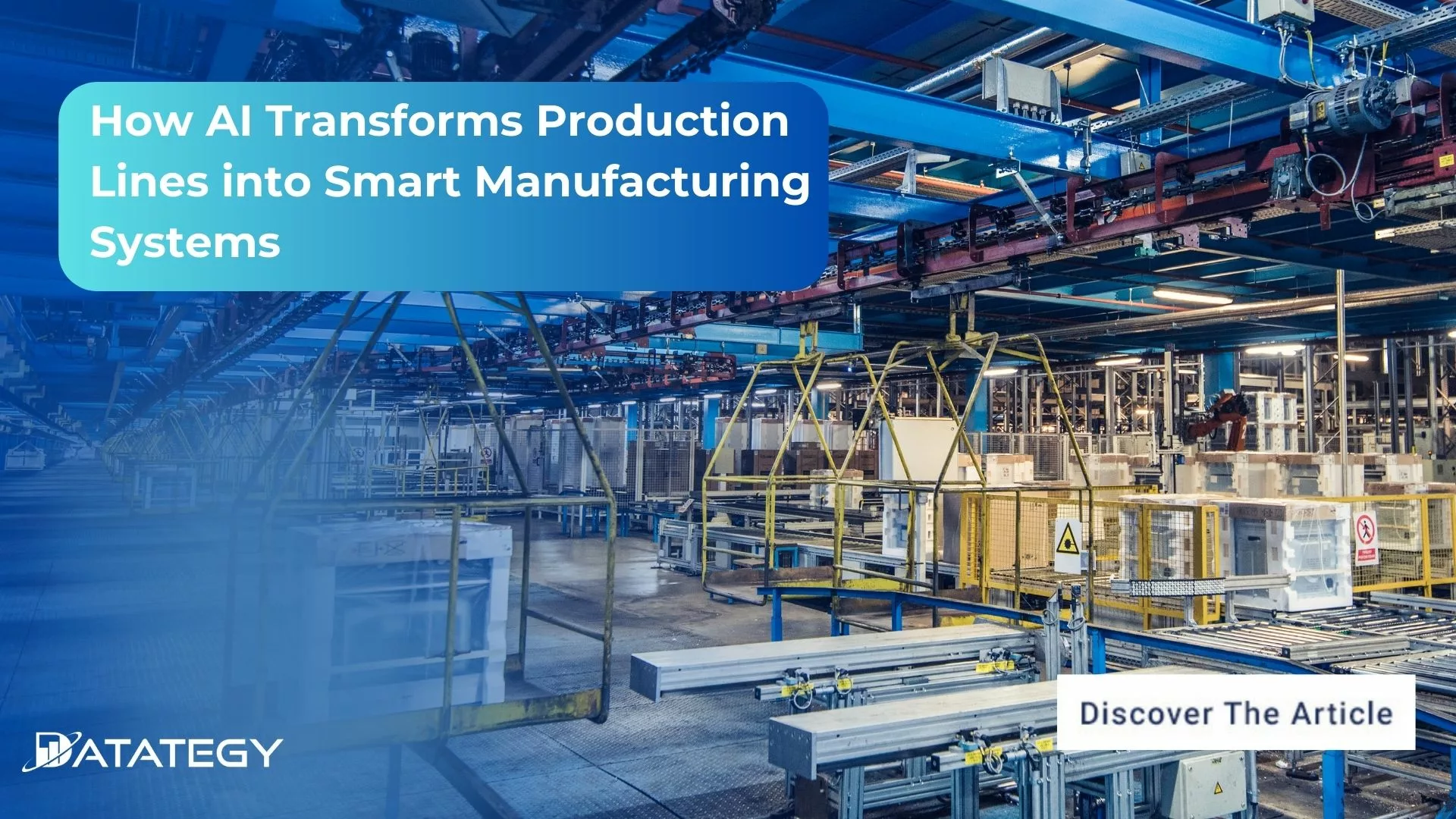
Device Management: How Artificial Intelligence Is Transforming Equipment Administration
The rapid evolution of technology has led to unprecedented changes in how organizations manage their devices and equipment. This shift is largely driven by the integration of artificial intelligence (AI), which introduces systematic improvements in device management practices. The transformation isn’t merely a passing trend; it signifies a fundamental change in operational methodologies that enhances efficiency and effectiveness across various sectors.
Key Innovations in Device Management
The impact of AI on device management is evident in several key areas, fundamentally altering traditional approaches to equipment administration. Here are some of the significant innovations:
- Predictive Maintenance: Companies are now harnessing AI algorithms that analyze historical performance data coupled with real-time metrics from devices. For example, a manufacturing facility can use AI to predict machinery failures by identifying patterns and anomalies in usage data. This foresight allows organizations to perform maintenance precisely when needed, ultimately reducing costly downtime and extending the lifespan of their assets.
- Automated Inventory Management: In today’s fast-paced business environment, knowing real-time asset levels is crucial. AI-powered inventory systems can track devices and materials seamlessly, adjusting stock levels dynamically based on usage patterns. For instance, a retail chain can utilize AI tools to manage stock across multiple locations, ensuring that popular items are replenished timely while minimizing overstock and waste.
- Enhanced Security: Security is paramount, especially in an era where cyber threats loom large. AI technology can continuously monitor devices for unusual operations and detect potential breaches or security incidents before they escalate, enabling organizations to act quickly to mitigate risks.
Additional Benefits of AI Integration
The adoption of AI in device management further encourages organizations to embrace data-driven decision-making, leading to impactful outcomes:
- Improved Decision Making: Access to advanced analytics secures insights about equipment usage trends, enabling managers to allocate resources more efficiently. This data informs decisions surrounding procurement, deployment, and optimization of assets across the organization.
- Cost Reduction: Automation through AI not only reduces manual labor costs but also minimizes operational downtime. For instance, a logistics company that automates fleet tracking can streamline processes, cutting unnecessary expenses and improving service delivery.
- Increased Productivity: By automating repetitive tasks such as monitoring and reporting, teams can redirect their focus toward strategic initiatives that drive innovation and business growth. This shift in focus fosters a more engaged workforce and maximizes output.
Embracing the Future
As businesses navigate the evolving landscape of device management, the combination of AI technologies holds the promise of a more efficient, secure future. Organizations are faced with the challenge not only to adapt but to leverage these advanced tools strategically. The potential for smarter operations, heightened security, and robust decision-making processes denotes a powerful opportunity to enhance performance in the digital age. As more industries recognize these advantages, the discussion around AI-driven device management is bound to gain momentum.
DISCOVER MORE: Click here to learn how A/B tests can enhance your app’s user experience
Transformative Power of AI in Device Management
The incorporation of artificial intelligence (AI) into device management is not just a technological upgrade; it represents a major shift in how organizations interact with and oversee their equipment. Traditional methods often relied on manual oversight, resulting in inefficiencies and potential lapses in performance. However, with AI technologies, companies can now leverage data-driven insights to automate processes, enhance security, and ultimately transform their administrative landscapes.
One of the most notable advancements in this domain is predictive maintenance. By utilizing AI-driven algorithms, organizations can perform detailed analyses of historical performance data alongside real-time operational metrics. For instance, manufacturing plants can deploy AI tools to monitor machinery continuously, predicting failures before they occur through anomaly detection and pattern recognition. This proactive approach not only minimizes unexpected downtime but also significantly increases the longevity of the equipment, allowing manufacturers to maximize their return on investment.
In addition to predictive maintenance, automated inventory management systems have emerged as a game changer, particularly in sectors such as retail and logistics. AI solutions can now track devices and inventory in real-time with remarkable precision. For example, a national retail chain may utilize AI to manage stock levels across hundreds of locations, automatically adjusting orders based on sales trends and consumer behavior. This capability can prevent stock-outs of high-demand items while reducing excess inventory, showcasing how AI can fine-tune operational efficiency.
Another critical area where AI is making strides is enhanced security. As cyber threats continue to rise in frequency and sophistication, traditional security measures often fall short. AI-driven security systems can monitor devices for irregular activity, learning from historical data to identify potential breaches. This vigilant oversight allows organizations to respond promptly to threats, mitigating risks and protecting sensitive data and resources. The ability to preemptively react to security incidents is crucial in maintaining the integrity of an organization’s operational framework.
These innovations all contribute to a broader shift toward more data-driven decision-making. With comprehensive analytics at their fingertips, management teams gain valuable insights into equipment usage, performance trends, and maintenance needs. This intelligence not only aids in optimizing the allocation of resources but also improves strategic planning regarding asset procurement and deployment, ultimately transforming how decisions are made within organizations.
Alongside these operational benefits, AI integration is paving the way for cost reduction across industries. The automation of various tasks reduces labor costs and minimizes errors that can lead to financial loss. For instance, in the logistics sector, AI systems can automate fleet management and tracking, leading to streamlined processes that save both time and money. Consequently, organizations can improve their service delivery while reducing unnecessary operational expenses.
The advancements facilitated by AI in device management point toward a future rife with possibilities for organizations willing to embrace these technologies. While the early adopters have begun reaping these benefits, the journey toward optimizing equipment administration through AI is just beginning. As more companies recognize the transformative potential of AI, staying ahead of the curve will become imperative for success in the competitive landscape.
Device Management: How Artificial Intelligence Is Transforming Equipment Administration
In the rapidly evolving landscape of device management, artificial intelligence (AI) is emerging as a game-changer. A significant advantage of integrating AI into equipment administration is its ability to enhance predictive maintenance. Through data analytics and machine learning algorithms, AI can forecast when a device might fail or require servicing, minimizing downtime and optimizing performance. This predictive capability allows organizations to proactively address issues before they escalate, saving time and resources.
| Category | Benefits |
|---|---|
| Predictive Maintenance | Reduces unexpected failures and extends device lifespan. |
| Automated Monitoring | Ensures real-time oversight of equipment performance, enhancing operational efficiency. |
Additionally, AI facilitates automated monitoring of device health in real-time, making it easier for organizations to identify and resolve issues instantaneously. This not only boosts efficiency but also plays a pivotal role in ensuring safety and compliance standards are consistently met. With AI, companies can manage complex networks of devices, streamlining their operations and significantly reducing human error.
Moreover, by leveraging intelligent data analytics, organizations can make informed decisions on their equipment usage and lifecycle management. AI can analyze usage patterns to derive actionable insights, helping businesses to optimize resource allocation and enhance overall productivity. With all these advantages, it’s no wonder that the integration of AI into equipment administration is seen as an essential step towards achieving operational excellence.
DISCOVER MORE: Click here to learn how A/B tests can enhance your app’s user experience
Revolutionizing Workflows Through Intelligent Automation
As organizations strive for greater operational efficiency, intelligent automation powered by AI is poised to further revolutionize device management. This pillar of device administration brings together AI and automation technologies, resulting in highly efficient workflows that can adapt to changing conditions. Rather than relegating tasks to human personnel, AI automation facilitates continuous monitoring and autonomous decision-making, streamlining processes and reducing human error.
One of the most striking applications of intelligent automation is found in the healthcare sector. Hospitals and clinics are increasingly using AI-driven systems for equipment management, particularly for medical devices. For example, AI can assist in tracking the usage and maintenance of devices such as MRI machines or ventilators, ensuring that they are always in optimal working condition. In urgent care scenarios, where equipment failure could have dire consequences, this predictive capability is invaluable. With automatic alerts and scheduling, healthcare providers can timely attend to equipment needs, allowing doctors to focus on patient care instead of administrative burdens.
Another noteworthy aspect of AI’s influence in device management is its potential to enhance supply chain transparency. For instance, AI algorithms can forecast demand patterns and optimize supply chains, providing real-time insights into equipment availability and logistics. In industries such as agriculture, AI tools can monitor machinery and make recommendations for parts replenishment based on seasonal workflows. This level of foresight fosters resilience, enabling businesses to respond easier to market fluctuations or supply challenges while ensuring seamless operations.
Furthermore, artificial intelligence facilitates a new approach to training and onboarding employees with respect to device management. Virtual assistants and chatbots powered by AI are increasingly utilized to provide on-demand training and troubleshooting support. These tools can guide less experienced staff through equipment operations and maintenance, significantly lowering the training costs and time. By providing instant access to vast informational repositories, employees are empowered to resolve issues swiftly and efficiently, reducing equipment downtime and optimizing overall productivity.
The integration of AI-rich environments also enhances the ability to generate detailed compliance reports. In highly regulated sectors such as finance or energy, organizations must adhere to an array of laws and policies concerning equipment and operations. AI systems can automate the gathering and analysis of compliance-related data, ensuring organizations not only meet regulatory requirements but do so in a cost-effective manner. This reduces the burden of manual audits and reporting, allowing organizations to allocate resources to more strategic endeavors.
Moreover, the rise of AI in device management opens the door for emerging technologies such as Internet of Things (IoT) integrations, creating a seamless convergence between devices and data. Connected devices gather and transmit data back to centralized AI systems, which analyze this information in real time for insights that inform operational adjustments. For instance, smart thermostats or smart sensors in industrial machinery not only enhance energy efficiency but also relay critical feedback that informs device management strategies. This interconnectedness provides organizations with a clearer picture of their operational landscape, making way for more informed decision-making.
In conclusion, AI’s integration into device management is paving the way for advanced workflows, enhanced compliance, and more intelligent resource allocation. As these technologies continue to evolve, organizations are posed to redefine their operational frameworks, driving unprecedented levels of efficiency and performance with each innovative leap.
DISCOVER MORE: Click here to learn how A/B tests can elevate your app’s user experience
Conclusion: The Future of Device Management
The transformative impact of artificial intelligence on device management is undeniably profound, reshaping how organizations oversee their equipment and operational processes. By harnessing AI’s capabilities, businesses can drive exceptional efficiency, reduce downtime, and enhance compliance across various sectors, from healthcare to agriculture and beyond. The advent of intelligent automation further allows for real-time monitoring and autonomous decision-making, fundamentally changing the traditional landscapes of equipment administration.
As businesses embrace innovations such as the Internet of Things (IoT), the potential for optimized device management expands exponentially. The integration of smart technology enables companies to gather, analyze, and utilize data like never before, uncovering insights that inform not just day-to-day operations but long-term strategies as well. This convergence is particularly critical in highly regulated environments, where compliance is paramount and the costs associated with inaccuracies can be significant.
Moreover, as organizations continue to cultivate AI-driven environments, the focus on employee training and onboarding shifts towards more dynamic systems. The use of virtual assistants and chatbots for training not only enhances learning but also empowers personnel to manage equipment more effectively, thereby reducing operational risks and enhancing productivity.
In conclusion, the ongoing evolution of AI in device management represents a pivotal shift in how organizations administer their equipment. As this technology progresses, it is clear that the future of device administration will be characterized by enhanced agility, smarter resource allocation, and a commitment to continual improvement. Businesses that adapt to these changes will undoubtedly gain a competitive edge, setting the foundation for sustainable growth and innovation in their respective industries.
Related posts:
Impact of 5G on Device Management and Connectivity
Essential Tools and Applications for Device Management in Small Businesses
Strategies to Optimize Device Performance in Home Environments
Impact of Cloud on Device Management: Advantages and Disadvantages
How to Choose the Ideal Device Management Platform for Your Business
Complete Guide to Device Security in a Connected World

Beatriz Johnson is a seasoned tech writer and digital tools expert with a passion for simplifying the complexities of technology and mobile applications. With over a decade of experience in the tech industry, she specializes in topics like productivity apps, software reviews, and emerging digital trends. Through her work, Beatriz empowers readers to make informed technology choices and stay ahead in the ever-changing world of apps and innovation.