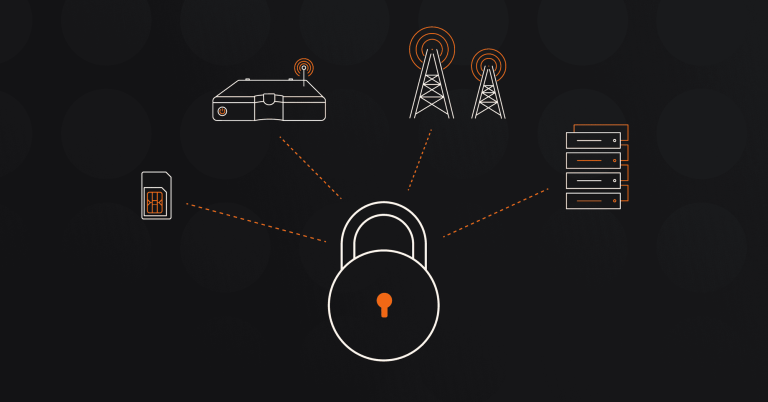

IoT Device Management: Challenges and Innovative Solutions
Unpacking the Challenges of IoT Device Management
In an era where connectivity plays a vital role in our daily lives and business operations, the influence of the Internet of Things (IoT) cannot be overstated. With estimates indicating that there are over 10 billion IoT devices deployed globally, organizations are faced with the daunting task of managing this complex ecosystem while ensuring devices function optimally and securely. The multifaceted nature of these challenges calls for a deep dive into the management strategies shaping the future of IoT.
One of the most significant hurdles in IoT device management is the prevailing security risks. The unprecedented number of devices means that potential vulnerabilities multiply, creating numerous entry points for cyber threats. For instance, a study by a cybersecurity firm revealed that over 30% of breaches in 2022 were traced back to unsecured IoT devices, illustrating how crucial it is to address security from the outset. Organizations must prioritize practices such as regular software updates and robust security protocols to build resilience against attacks.
Interoperability issues represent another layer of complexity. As devices come from myriad manufacturers, they often operate on different standards and protocols. For example, a smart thermostat from one brand may not seamlessly communicate with home security systems from another. This lack of compatibility can lead to inefficient operations, requiring businesses to invest in additional software solutions or middleware to facilitate communication between disparate systems.
The management of data itself presents its own series of complications. The vast amount of data generated by IoT devices can overwhelm traditional data processing systems, particularly when real-time analysis is essential for decision-making. For instance, in smart manufacturing environments, sensors collect continuous data that can inform predictive maintenance; however, without a sophisticated data management solution, critical insights may be lost in the noise.
To combat these challenges, organizations are increasingly turning to innovative solutions. Artificial Intelligence (AI) and Machine Learning are proving invaluable in automating the monitoring of devices, swiftly identifying anomalies that could indicate failure or security threats. Companies like GE and Siemens have begun relying heavily on these technologies to analyze data from their extensive IoT setups, resulting in enhanced operational efficiency.

Cloud-based platforms are also making a significant impact, offering centralized management that scales with an organization’s IoT needs. By utilizing cloud infrastructure, businesses can simplify their operations while gaining real-time insights into device status across geographies, an essential feature for organizations with diverse portfolios. Companies like Amazon Web Services (AWS) and Microsoft Azure have tailored IoT solutions that facilitate streamlined device management in various sectors, including agriculture and retail.
Finally, aspects such as robust security measures cannot be overlooked. Implementing advanced encryption and multifactor authentication protocols are becoming industry standards to safeguard data integrity and prevent unauthorized access. Organizations are finding success by adopting zero-trust models that assume breaches will occur and require substantial identity verification for every access request.
As the landscape of IoT continues to develop, organizations must not only recognize the challenges posed but also take proactive steps to implement effective solutions. These strategies will not only enhance customer experiences but also substantially improve operational efficiency. Ultimately, how businesses choose to navigate the complexities surrounding IoT device management will shape their success in this rapidly changing technological field.
DISCOVER MORE: Click here to uncover the benefits of A/B testing
Navigating the Complexities of IoT Device Management
As organizations increasingly adopt the Internet of Things (IoT), effective device management has emerged as a critical component of their operational strategies. The landscape is fraught with challenges that demand innovative solutions if companies wish to harness the full potential of IoT technology. Understanding these challenges is essential for any entity looking to thrive in this complex environment.
One pressing challenge involves the sheer scale of device deployment. With billions of devices connecting across networks, managing vast inventories can quickly become overwhelming. According to IoT Analytics, the number of connected devices is expected to exceed 25 billion by 2030, which could exacerbate issues related to maintenance, configuration, and monitoring. Businesses must implement robust asset management systems to ensure that all devices are accounted for and functioning as intended.
- Device registration and provisioning: Ensuring each device is securely registered and provisioned becomes vital in preventing unauthorized access and ensuring compliance with regulations.
- Real-time monitoring: The ability to monitor device status and functionality in real time can help promptly resolve issues before they escalate into larger problems.
- Scalability: As organizations grow, their device networks will inevitably expand. Solutions must scale efficiently to manage this increase without sacrificing performance.
Alongside scale, regulatory compliance presents a significant hurdle. Organizations are required to adhere to various standards and regulations, such as the General Data Protection Regulation (GDPR) for data privacy and security. Failure to comply can result in hefty fines and damage to organizational reputation. In the United States, different industries may be subject to sector-specific regulations, leading to a patchwork of compliance responsibilities that can be difficult to navigate. Companies must remain vigilant and well-informed about evolving regulations to avoid potential pitfalls.
Moreover, the lifecycle management of IoT devices adds another layer of complexity. From acquisition to retirement, each stage of a device’s lifecycle presents unique challenges. Issues such as wear and tear can lead to device malfunctions, which in turn necessitates timely updates and replacements. Furthermore, as technology advances, older devices may become obsolete or unsupported, complicating the management of mixed-device environments. Organizations must take a proactive approach, utilizing asset management solutions that incorporate lifecycle tracking to ensure seamless integration and functionality.
To address these multifaceted challenges, innovative solutions are emerging that leverage the latest in technology and operational methodologies.
For example, predictive analytics can facilitate better maintenance strategies, using historical data and machine learning to forecast potential device failures before they happen. This proactive approach not only minimizes downtime but also extends the lifespan of devices. Companies like Schneider Electric have implemented such solutions, achieving significant efficiency improvements in smart grid infrastructure management.
The implementation of decentralized management systems, particularly those utilizing blockchain technology, is also gaining traction. By providing a secure and immutable record of device interactions, these systems can enhance security and facilitate auditing processes. This innovative approach can help businesses reduce vulnerability risks associated with device management, paving the way for a more secure IoT environment.
Understanding these challenges and leveraging innovative solutions will be crucial for organizations aiming to navigate the complexities of IoT device management in the coming years. As they do so, they may not only overcome current hurdles but also position themselves for a future defined by smart, interconnected technologies.
IoT Device Management: Challenges and Innovative Solutions
The rapid expansion of the Internet of Things (IoT) has dramatically changed the landscape of technology and communication. Companies today face a multitude of challenges in managing these devices efficiently. As the number of connected devices skyrockets, issues related to security, scalability, and interoperability have emerged. Understanding how to navigate these challenges is imperative for businesses aiming to leverage IoT technologies effectively.
Innovative solutions are essential for overcoming these challenges. Technologies such as edge computing are being embraced to handle data processing closer to the source, reducing latency and bandwidth issues. Moreover, improved security protocols are being developed to ensure safe communication between devices, thereby protecting sensitive information. Companies can also benefit from cloud management platforms that provide centralized control over their devices, simplifying deployment and monitoring. These advancements not only enhance operational efficiency but also enable organizations to make informed decisions based on real-time data analytics.
| Advantages | Description |
|---|---|
| Enhanced Security | Implementing robust security measures reduces vulnerabilities against cyber threats. |
| Scalability | Flexible architectures support the growth of devices without compromising performance. |
By investing in innovative IoT device management solutions, organizations can not only overcome present-day challenges but also prepare for future developments in technology, ensuring long-term success in the IoT landscape. Awareness of these capabilities is vital for businesses looking to remain competitive and derive maximum value from their IoT infrastructure.
DISCOVER MORE: Click here to learn how A/B tests can enhance your app’s user experience
Embracing Automation and AI for Enhanced Management
As organizations grapple with the challenges of IoT device management, the integration of automation and artificial intelligence (AI) is reshaping the landscape. By streamlining processes, these technologies are facilitating a more efficient approach to managing networks of devices. One prominent example is the use of AI-driven analytics platforms to automate device updates and patches. Instead of relying on manual interventions, organizations can automate routine maintenance tasks, which significantly reduces the risk of human error and improves overall operational efficiency.
A critical application of AI in device management is the emergence of self-healing systems. These systems leverage AI algorithms to automatically detect and remediate issues within the IoT network. For instance, if a sensor fails or exhibits erratic behavior, the system can reroute data handling to a functioning device, ensuring that operations remain uninterrupted. This capability enhances the resiliency of IoT networks, an increasingly important factor as the dependence on seamless connectivity grows in various sectors, from manufacturing to healthcare.
Enhancing Security Posture through Advanced Encryption
Given that security remains one of the foremost concerns in IoT device management, organizations are turning to advanced encryption techniques to safeguard their networks. End-to-end encryption protocols help ensure that data transmitted between devices is secure, mitigating the risk of interception and data breaches. The implementation of hardware-based security measures, such as secure elements or Trusted Platform Modules (TPMs), can provide an added layer of fortification for device identity and integrity.
Furthermore, identity and access management (IAM) systems are becoming increasingly sophisticated, utilizing biometrics and multifactor authentication (MFA) to verify users and devices before granting access to networks. Organizations such as General Electric and Philips have adopted these practices, finding that robust IAM solutions not only bolster security but also enhance user confidence in their IoT initiatives.
The Role of Edge Computing
Another innovative solution proving advantageous in IoT device management is the rise of edge computing. By processing data closer to the source, edge computing reduces latency and bandwidth consumption, alleviating some challenges associated with centralized data management. This decentralized approach allows for quicker data processing, leading to faster decision-making processes that can be crucial in time-sensitive applications such as autonomous vehicles or remote patient monitoring.
Moreover, edge computing offers the potential to enhance security. By limiting data transmission to the cloud and enabling local processing, organizations can minimize exposure to potential threats. This is especially valuable in sensitive industries such as healthcare, where patient data privacy is paramount.
Interoperability: Bridging the Gap
Despite the advancements in technology, interoperability remains a key challenge in IoT device management. The diverse array of devices and protocols can lead to compatibility issues that hinder seamless functionality. Innovative solutions are emerging that prioritize standardization across devices. Initiatives like the Open Connectivity Foundation (OCF) and the Industrial Internet Consortium (IIC) are working to establish guidelines that foster greater interoperability among IoT devices. This collaboration ensures that devices from different manufacturers can communicate effectively, enhancing overall system performance.
As organizations navigate these multifaceted challenges, it becomes increasingly vital to identify innovative solutions that will secure not just the management of current device networks, but also ensure alignment with future technological advancements. By embracing automation, AI, advanced security methods, edge computing, and prioritizing interoperability, businesses can position themselves favorably in the rapidly evolving landscape of IoT device management.
DISCOVER MORE: Click here to learn how A/B tests can enhance your app’s user experience
Conclusion: Navigating the Future of IoT Device Management
In the rapidly evolving landscape of IoT device management, organizations face a myriad of challenges, from security vulnerabilities to interoperability issues. However, the emergence of innovative solutions offers a beacon of hope. By harnessing the power of automation and AI, organizations can streamline their operations, enhancing efficiency and reducing the risk of human error. Self-healing systems represent a transformative shift, enabling resilience in networks that are becoming increasingly critical to sectors like healthcare and manufacturing.
The emphasis on advanced encryption highlights a crucial step toward securing sensitive data against potential breaches, while sophisticated identity and access management systems bolster user confidence. Furthermore, the integration of edge computing is redefining data processing methodologies, allowing for real-time analytics that cater to time-sensitive needs, thereby optimizing performance and safeguarding privacy.
Lastly, addressing the interoperability challenge through collaboration and standardization efforts is key to ensuring seamless functionality across diverse devices. As organizations embrace these innovative approaches, they not only enhance their management of existing networks but also lay the groundwork for future advancements in IoT technologies.
Ultimately, the convergence of these solutions paves the way for a more secure, efficient, and interconnected world, where IoT devices can thrive and provide unparalleled value. To stay ahead in this dynamic environment, businesses must remain vigilant and proactive, continuously exploring new strategies that align with the ever-evolving demands of IoT device management.
Related posts:
Automation in Device Management: Effective Tools and Strategies
Emerging Trends in Device Management for Industry 4.0
Device Management in Educational Environments: Tools and Strategies
Device Management: How Artificial Intelligence Is Transforming Equipment Administration
Best Practices for Managing Mobile Devices in Corporate Environments
Device Management Tools: Comparison of Popular Solutions

Beatriz Johnson is a seasoned tech writer and digital tools expert with a passion for simplifying the complexities of technology and mobile applications. With over a decade of experience in the tech industry, she specializes in topics like productivity apps, software reviews, and emerging digital trends. Through her work, Beatriz empowers readers to make informed technology choices and stay ahead in the ever-changing world of apps and innovation.