How to Choose Apps with Transparent and Secure Privacy Policies
The Significance of App Privacy in Modern Technology
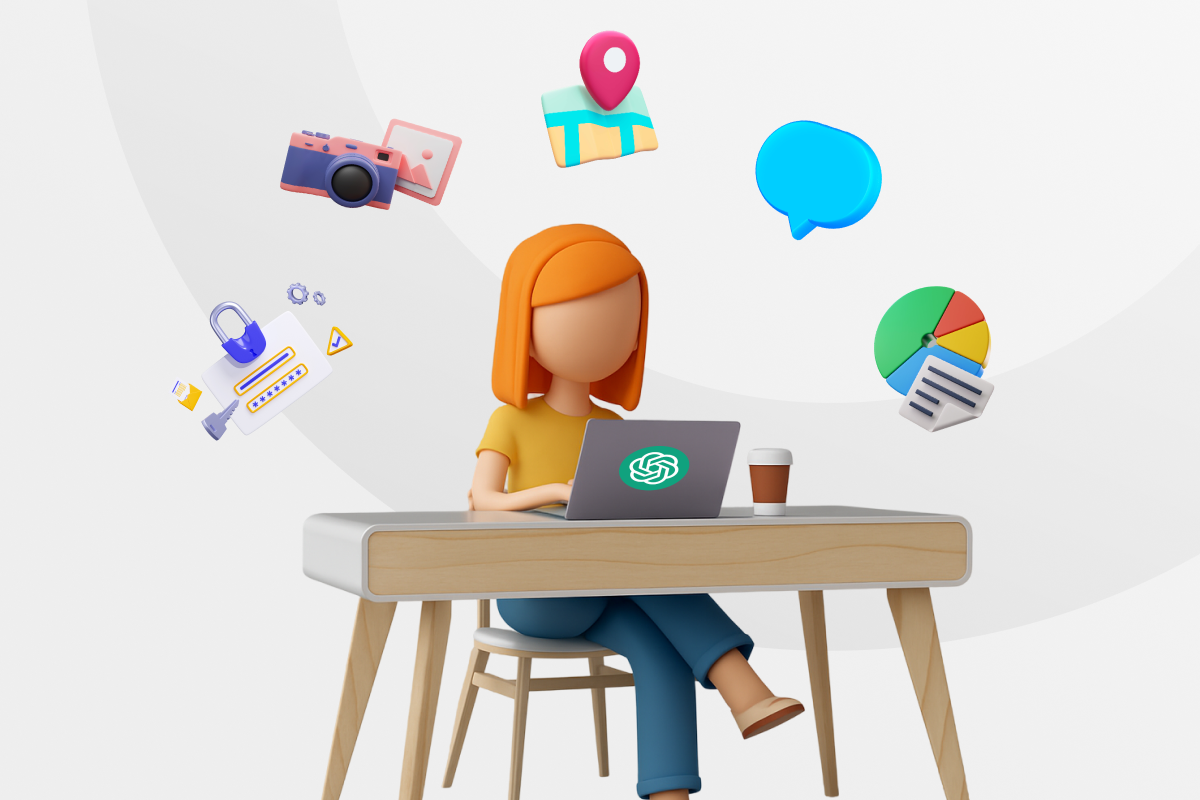
In a world where smartphones and applications dominate daily life, the significance of privacy is more pressing than ever. With millions of apps crowding digital marketplaces, it is vital for users to select those that actively prioritize transparent and secure privacy policies. A single misstep in choosing an app can lead to compromising personal information, exposing users to potential identity theft, unwanted advertisements, or worse, data breaches.
When embarking on the journey of app selection, users should assess several critical aspects that govern privacy:
- Data Collection: Investigate what types of personal information the app is collecting. This includes obvious data like names, email addresses, and payment information, as well as more subtle forms of data such as location tracking, contact lists, and usage patterns.
- Usage Transparency: Understand how your data is being utilized. Is it being sold to third parties? Used for targeted advertising? Reputable apps should provide users with clear information on how their data will be used, allowing them to grant informed consent.
- Data Protection Measures: Consider what security features are implemented to protect your information. Look for apps that employ end-to-end encryption, regular security audits, and robust authentication methods to minimize the risk of unauthorized access.
An excellent example of commitment to user privacy is evident in apps like Signal, which emphasizes strong encryption and does not store user data on its servers, prioritizing user privacy while maintaining communication integrity. Conversely, many popular social media apps often fail to effectively communicate their privacy practices, which can leave users unnecessarily exposed and unsure about their data safety.
Furthermore, regulatory frameworks such as the California Consumer Privacy Act (CCPA) exemplify the growing recognition of privacy’s importance in today’s digital ecosystem. This legislation not only mandates that businesses disclose their data collection practices but also grants users the right to opt out of data sales and request deletion of their personal information. Familiarity with these regulations empowers users in their choice of applications, ensuring they select platforms that respect their privacy.
Ultimately, the decision to use apps with robust privacy practices is an act of empowerment. By comprehending how to evaluate these policies, users can confidently navigate the expansive digital landscape, safeguarding their personal information while enjoying the conveniences of modern technology. The digital age can be conveniently thrilling, and with the right precautions, users can revel in its marvels without sacrificing their privacy.
DISCOVER MORE: Click here to enhance your app’s user experience
Understanding Data Collection Practices
To make informed choices about the apps you download, it is essential to understand data collection practices. Many apps request access to personal information that may not seem relevant at first glance. When examining an app, conduct a thorough investigation into the types of data that the application collects and how it aligns with its purpose. For instance, a fitness app may need access to your location to provide accurate tracking of your running routes, while a wallpaper app should not necessitate access to your contacts.
Here are several key questions to consider when evaluating an app’s data collection:
- What personal data is collected? Review the app’s privacy policy to identify whether it is requesting access to sensitive information, including biometric data or financial details, which could pose significant risks if not handled properly.
- Does the app request additional permissions? Be wary of apps that ask for more permissions than their functionality requires. If a game app is asking for access to your microphone or camera, that should raise a red flag.
- How is this data used? Understanding the purpose behind data collection is crucial. Does the app use your data solely to improve the user experience, or is it also selling information to third-party advertisers? Transparent apps will clearly communicate their data usage policies.
Evaluating Usage Transparency
Another critical aspect of selecting apps is evaluating their usage transparency. A secure app will openly share how user data is utilized and will provide an easy-to-understand explanation of its privacy practices. Look for apps that have dedicated sections in their privacy policies discussing their data-handling practices. A legitimate and trustworthy service should offer reassurance that it respects user privacy and complies with relevant legal frameworks.
Moreover, consider whether the app allows users to customize their privacy settings. Apps that empower users to opt-in or out of data sharing features demonstrate a higher level of commitment to privacy. For instance, popular streaming services offer robust settings that let users control who sees their activity. Taking the time to configure these settings upon installation can significantly enhance your privacy.
When weighing your options, delve deeper into user reviews and expert analysis to glean additional insights into the app’s privacy track record. Specific forums and tech blogs frequently discuss the implications of app privacy, offering anecdotal evidence and shared experiences from existing users that can help illuminate potential red flags.
As technology evolves, the demand for transparency in data practices grows stronger. With regulations like the General Data Protection Regulation (GDPR) and California Consumer Privacy Act (CCPA) shaping how companies handle data, it becomes even more critical for users to remain aware. By actively seeking apps that embody transparency and robust privacy protocols, users can enjoy a more secure digital environment.
| Category 1 | Category 2 |
|---|---|
| Data Encryption | Protects user information from unauthorized access through strong encryption protocols. |
| Clear User Consent | Ensures users understand what data is being collected and for what purpose, enhancing trust. |
| Transparent Policies | Users can easily access and comprehend privacy policies, promoting accountability. |
| User Data Control | Applications empower users to manage permissions and data sharing preferences effectively. |
| Regular Updates | Apps frequently update their privacy measures to counteract emerging security threats. |
The significance of selecting apps with transparent and secure privacy policies cannot be overstated in today’s digital ecosystem. As a consumer, understanding how your data is managed is crucial. The aforementioned categories highlight the key elements that point towards a trustworthy application. Leveraging technologies like data encryption ensures that your private information remains protected against breaches. Moreover, applications that ask for clear user consent foster a reliable environment since they prioritize your understanding and agreement before data collection begins. Additionally, having easy access to transparent policies allows users to stay informed about their rights and the handling of their data. And as technology evolves, so should the applications; thus, opting for apps that promise regular updates ensures you benefit from the latest privacy controls making you less susceptible to cyber threats.
DISCOVER MORE: Click here to enhance your app’s user experience
Assessing Third-Party Sharing and Data Security
When considering which apps to download, another vital factor is how these applications approach third-party data sharing and the security measures they employ to protect your personal information. Many apps collaborate with external partners, such as advertisers or analytics providers, which can amplify the risk of data misuse if not managed transparently.
To evaluate this aspect, ask yourself the following questions:
- Does the app disclose third-party partnerships? A reputable app will list any third parties with whom it shares user data within its privacy policy. Watch for phrases like “we share your information with trusted partners,” and investigate what those partnerships entail. If such information is absent or vague, proceed with caution.
- Are there robust security measures in place? This includes encryption protocols, secure data storage, and regular software updates. Review the app’s website or privacy policy to identify whether they mention the use of encryption for data transmission and storage. These security measures are essential to guard against breaches.
- Is there user support for privacy concerns? Providing a straightforward avenue for users to address privacy issues indicates a commitment to data protection. Look for apps that have dedicated support channels for privacy inquiries and explain their incident response procedure in the event of a data breach.
Utilizing Regulatory Compliance as a Benchmark
As privacy laws like GDPR and CCPA gain traction, apps that adhere to these regulations demonstrate a higher level of accountability regarding user data. These regulations not only mandate transparency in data collection practices but also empower users with rights over their data, including the right to access, correct, or delete their information.
When exploring the privacy policies of potential apps, assess whether they mention compliance with such regulations. For instance, does the app specify that it grants users the ability to access their personal data upon request or provides clear options for managing data preferences? Compliance with these laws is an indicator of the app’s overall commitment to maintaining user trust and safeguarding privacy.
Another point to consider is how apps handle data during their lifecycle. Information on data retention periods can illuminate how long your data remains stored after ceasing to use the app. Apps that actively delete data after a defined period can foster greater confidence among users.
Stay informed by researching ratings and reviews from reputable tech publications and platforms dedicated to privacy advocacy. Many of these sources conduct rigorous analyses of apps’ privacy policies and user experiences, often presenting comparisons between similar applications in the same category. By consulting these resources, you can gain deeper insights into which apps prioritize user privacy over profit-driven motives.
In today’s age of rapid technological advancements, staying proactive and vigilant about app privacy policies will pay dividends in safeguarding your personal information. With the increasing availability of applications vying for consumer attention, selecting those that prioritize transparency in their practices can significantly enhance your digital security.
DIVE DEEPER: Click here to learn how A/B tests can enhance your app’s user experience
Conclusion: Empowering Your Digital Choices
In the digital landscape, understanding how to choose apps with transparent and secure privacy policies is not just an option; it is a necessity. As we have explored, the cornerstone of app selection lies in scrutinizing how developers protect your data. From assessing third-party sharing practices to ensuring compliance with privacy regulations like GDPR and CCPA, your vigilance can significantly impact your personal security.
A comprehensive approach includes investigating the clarity of the app’s privacy policy, inquiring about the security measures implemented, and verifying the app’s commitment to user support. This proactive attitude provides you with important insights into the app’s reliability and helps you avoid potential pitfalls.
Moreover, with the ever-evolving nature of technology, staying informed through credible tech publications and privacy advocacy platforms can further enhance your decision-making process. Taking the time to understand app ratings, user experiences, and expert analyses can illuminate which apps truly prioritize your privacy over profitability.
Ultimately, choosing apps with transparent and secure privacy policies is about empowering yourself in an increasingly interconnected world. By remaining vigilant and prioritizing transparency, you can navigate the app ecosystem safely, ensuring that your personal information stays in your control. In doing so, you not only protect yourself but also advocate for better privacy practices across the industry. Your choices today will shape the digital landscape of tomorrow.
Related posts:
How to Protect Your Mobile Devices from Malware in Apps
How to Protect Your Personal Data on Social Media Apps
How to Protect Your Personal Data on Social Media Apps
Tips for Enabling Two-Factor Authentication in Your Favorite Apps
How to Identify and Avoid Malicious Apps on Your Mobile Device
How to Protect Your Data in Health and Wellness Apps

Beatriz Johnson is a seasoned tech writer and digital tools expert with a passion for simplifying the complexities of technology and mobile applications. With over a decade of experience in the tech industry, she specializes in topics like productivity apps, software reviews, and emerging digital trends. Through her work, Beatriz empowers readers to make informed technology choices and stay ahead in the ever-changing world of apps and innovation.