Tips to Enhance the Security of Your Financial Transactions in Payment Apps
The Importance of Digital Transaction Security
In today’s fast-paced, technology-driven society, the convenience of payment apps has transformed how we handle finances. Whether it’s sending money to a friend or paying for groceries, mobile payment solutions simplify transactions, allowing for a seamless experience. However, along with the ease of use comes a pressing concern: security. With an expanding digital footprint, it is crucial for every user to recognize and effectively mitigate the inherent risks associated with these platforms.
One of the most significant threats is the risk of data breaches. Such breaches can lead to unauthorized access to users’ personal information, enabling cybercriminals to steal sensitive financial data. For instance, high-profile incidents involving companies like Target and Equifax reveal how pervasive these attacks can be. Beyond data breaches, users often fall victim to phishing scams, where attackers masquerade as legitimate entities to trick individuals into divulging private information. A simple, unsuspecting click on a malicious link can compromise entire accounts.
An additional vulnerability stems from weak passwords. Many individuals utilize easily guessable passwords or the same password across multiple platforms, increasing the risk of unauthorized access. Cybersecurity experts recommend creating complex passwords that are lengthy and include a mix of characters, as well as changing them periodically to enhance security.
Implementing Robust Security Strategies
To combat these threats, there are effective strategies that users can adopt, making their digital transactions significantly more secure. One of the most widely recommended practices is to enable multifactor authentication (MFA). This additional layer of security requires users to provide two or more verification factors to gain access to their account, making it far more challenging for unauthorized users to infiltrate.
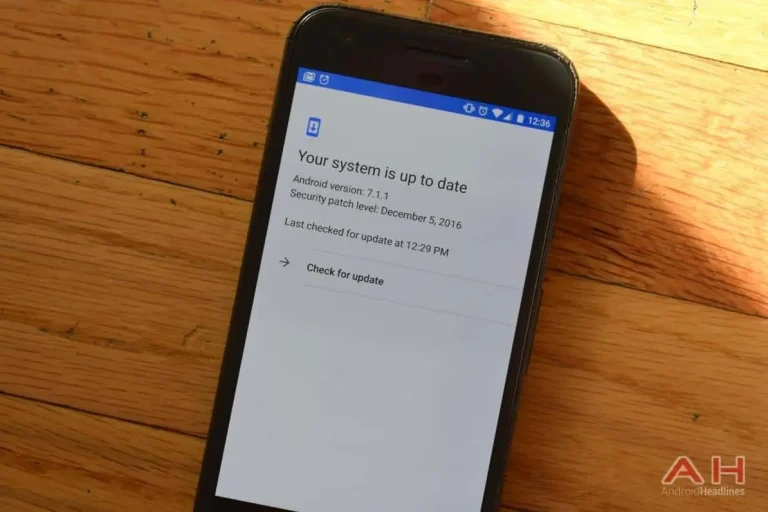
Moreover, it’s essential to regularly update your app and device software. Software updates often contain vital security patches that can protect against newly discovered vulnerabilities. Ignoring these updates can leave your device exposed.
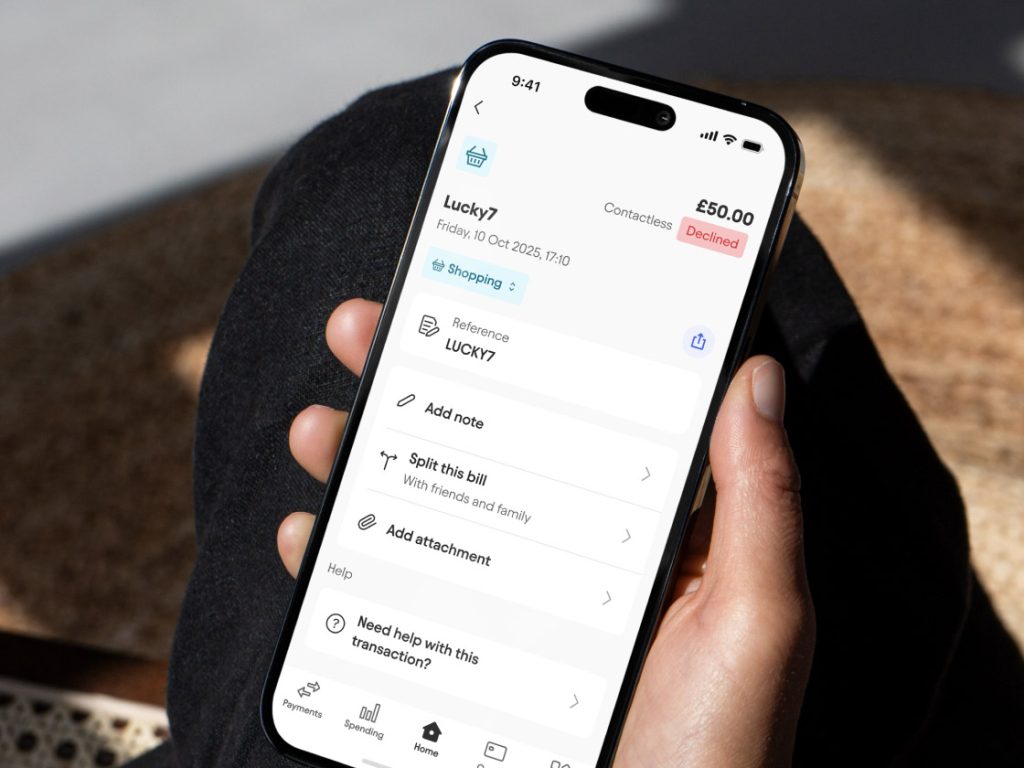
Another key practice is to monitor your accounts frequently for unauthorized activity. Reviewing transaction history can help you catch any discrepancies early on, minimizing the potential financial impact of fraud. Setting up alerts for transactions can provide real-time updates and additional reassurance.
As the landscape of digital payments continues to evolve, staying informed about security measures will empower users to protect their financial transactions. Engaging with resources that focus on cybersecurity, participating in online safety workshops, and keeping abreast of the latest scams can further bolster your defenses. The more you know, the safer your payment experiences will be.
DIVE DEEPER: Click here to discover how A/B tests can enhance your app’s user experience
Best Practices for Strengthening Your Payment App Security
As digital transactions continue to soar, it is vital to adopt a proactive approach when it comes to securing personal and financial information within payment apps. The initial steps involve considering user habits and behaviors that can inadvertently expose vulnerabilities. Below are several proven strategies to enhance the security of your financial transactions:
- Prioritize App Reputation: Before downloading a payment app, research its reputation and reviews. Stick to well-known and established brands like PayPal, Venmo, and Cash App, as they often invest heavily in security measures and customer support.
- Utilize Device Features: Modern smartphones come equipped with biometrics, such as fingerprints or facial recognition, which can substantially increase account security. Activate these features to ensure that only you can access your financial information.
- Be Cautious with Public Wi-Fi: While convenient, public Wi-Fi networks pose significant risks. Avoid conducting sensitive transactions when connected to these networks, as they can be prime targets for hackers. Instead, use a secure mobile data connection or a trusted Virtual Private Network (VPN).
- Educate Yourself About Phishing Attempts: Familiarize yourself with common phishing tactics. Be suspicious of unsolicited emails or texts requesting personal information. Legitimate companies will never ask for sensitive information via insecure channels.
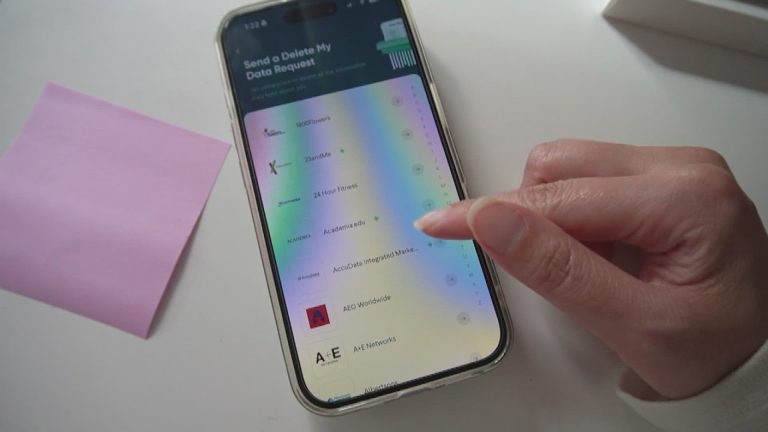
- Regularly Review Privacy Settings: Adjust the privacy settings within your payment apps to limit the amount of personal information that is visible to other users. The less information available, the smaller the chance of it being exploited.
Furthermore, users must remain cognizant of the potential repercussions of negligence. Data breaches can lead to the loss of significant amounts of money and sensitive information. By implementing these best practices, you create a robust defense against unauthorized access and fraud.
In addition to personal vigilance, consider leveraging security tools designed to enhance transaction integrity. Encryption is a fundamental aspect of transaction security that ensures your data remains unreadable to unauthorized entities. Most reputable payment apps utilize strong encryption methods, which act as an additional barrier between you and potential cyber threats.
Another essential aspect of security is user awareness and education. Participate in webinars and read articles focusing on digital security; these resources often provide the latest insights on cybersecurity trends and threats. Staying informed can not only keep your transactions secure but can also help you avoid the pitfalls that many fall victim to.
In conclusion, enhancing the security of your financial transactions in payment apps is a multifaceted effort that requires a combination of good habits, awareness, and technical precautions. By following these practical tips, users can significantly reduce their risk of fraud and ensure a safer digital payment experience.
| Security Tips | Key Insights |
|---|---|
| Enable Two-Factor Authentication | This adds an extra layer of security, making it harder for unauthorized users to access your account. |
| Use Strong Passwords | Incorporate a mix of letters, numbers, and special characters to make them difficult to guess. |
| Monitor Transactions Regularly | Frequent checks help you spot unauthorized charges and take timely action. |
When using payment apps, it’s crucial to stay vigilant about your financial security. Enable Two-Factor Authentication on all your accounts to supplement your password with an additional verification step. This practice significantly reduces the risk of potential breaches. Furthermore, ensure that your passwords are robust, utilizing a combination of letters, numbers, and special symbols. Regularly monitoring your transactions is essential. Frequent checks allow you to identify any suspicious activities early on and report them to your financial institution promptly. Adopting these practices can drastically decrease the likelihood of falling victim to financial fraud in payment applications. Take these steps seriously; the security of your financial transactions lies in your hands.
DISCOVER: Click here to learn how A/B tests can enhance user experience in apps
Advanced Security Measures for Payment Apps
As the digital landscape evolves, so do the tactics employed by cybercriminals. Ensuring your financial transactions within payment apps remain secure requires not only initial precautions but also ongoing diligence and advanced security measures. Here are some additional tips that can significantly bolster your defenses:
- Enable Two-Factor Authentication (2FA): Many payment apps now offer 2FA, which requires a second form of verification beyond just your password. This could include a one-time code sent to your phone or an authentication app. Activating 2FA can deter unauthorized access even if your password is compromised.
- Keep Software Updated: Regularly update the apps on your device, as well as your device’s operating system. Developers frequently release security patches to protect against emerging threats. Failing to update can leave you vulnerable to exploits that have already been addressed in newer versions.
- Monitor Transactions Regularly: Make it a habit to review your payment history frequently. Many payment apps provide notifications for every transaction. If you notice any discrepancies, report them immediately. Quick reporting can limit potential damages from unauthorized activity.
- Limit App Permissions: Payment apps might request access to various features of your device, such as contacts or location services. Only grant permissions necessary for the app’s functionality. By restricting access, you minimize exposure to potential security breaches and preserve personal information privacy.
- Utilize Virtual Card Numbers: Some payment apps offer a virtual card feature that provides temporary credit card numbers for online transactions. This adds an additional layer of security, as the actual card details are never shared during the transaction, reducing the risk of fraud.
Moreover, be aware of the potential risks associated with third-party integrations. Some users may link their payment apps to online shopping accounts or other services, which can create additional vulnerability points. Always research and ensure you trust the platforms you’re linking, and periodically review these connections.
Another critical area that requires attention is the importance of strong password hygiene. Avoid using easily guessable passwords such as birthdays or common words. Instead, opt for a combination of upper and lowercase letters, numbers, and special characters to create a robust password. Consider using a password manager to safely store and generate complex passwords.
In addition to these tips, it’s wise to stay updated with the latest cybersecurity news. Numerous online resources and government agencies, such as the Federal Trade Commission (FTC), frequently release information about security vulnerabilities and how to protect yourself online. By staying informed, you can take early action against new threats as they arise.
Furthermore, consider assessing the security features offered by your bank or credit union if you utilize their payment app. Many financial institutions have dedicated security measures, such as transaction limits and fraud detection alerts, that can enhance your protection beyond what the app alone offers.
Ultimately, enhancing the security of your financial transactions in payment apps requires a multifaceted approach that encompasses both technical safeguards and informed user practices. Adopting these advanced measures will empower you to navigate the digital payment landscape with increased confidence.
DISCOVER MORE: Click here to learn how A/B tests can transform your app’s user experience
Conclusion
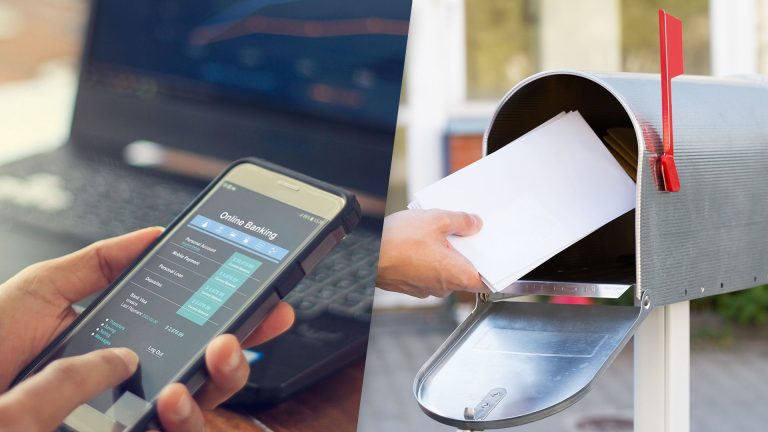
In an increasingly digital world, securing your financial transactions in payment apps is no longer just a precaution—it’s a necessity. The transition from traditional banking to mobile payment solutions offers convenience but also exposes users to varied threats. By implementing the detailed security measures discussed, you can minimize your risk and enhance the protection of your financial data.
One of the most compelling aspects of securing your transactions is the collaborative effort between user diligence and technological advancements. Utilizing features such as two-factor authentication and staying updated with the latest app versions can significantly reduce vulnerabilities. Moreover, becoming familiar with the potential risks of third-party integrations and prioritizing strong password hygiene are equally crucial steps in safeguarding your financial information.
As you navigate the digital payment landscape, remember that awareness is your strongest shield. Keeping abreast of current cybersecurity trends through reliable sources, such as the Federal Trade Commission (FTC), can empower you to act swiftly against emerging threats. Additionally, leveraging the security features provided by your banking institution can further enhance your safety.
Ultimately, enhancing the security of financial transactions in payment apps is a continuous journey. By adopting these tips and cultivating an informed approach to digital finances, you not only protect your money but also enjoy the convenience and speed that modern payment solutions offer. So, take charge of your financial security today and make informed decisions that lead to a safer digital transaction experience.
Related posts:
Wi-Fi Security: Tips to Protect Your Connection and Devices
Best Password Practices: How to Create and Manage Strong Passwords in Apps
How to Identify and Avoid Malicious Apps on Your Mobile Device
How to Protect Your Data in Health and Wellness Apps
How to Choose Apps with Transparent and Secure Privacy Policies
How to Identify and Avoid Phishing in Messaging Apps

Beatriz Johnson is a seasoned tech writer and digital tools expert with a passion for simplifying the complexities of technology and mobile applications. With over a decade of experience in the tech industry, she specializes in topics like productivity apps, software reviews, and emerging digital trends. Through her work, Beatriz empowers readers to make informed technology choices and stay ahead in the ever-changing world of apps and innovation.