Understanding the Impact of Software Updates on App Compatibility
The Crucial Role of Software Updates
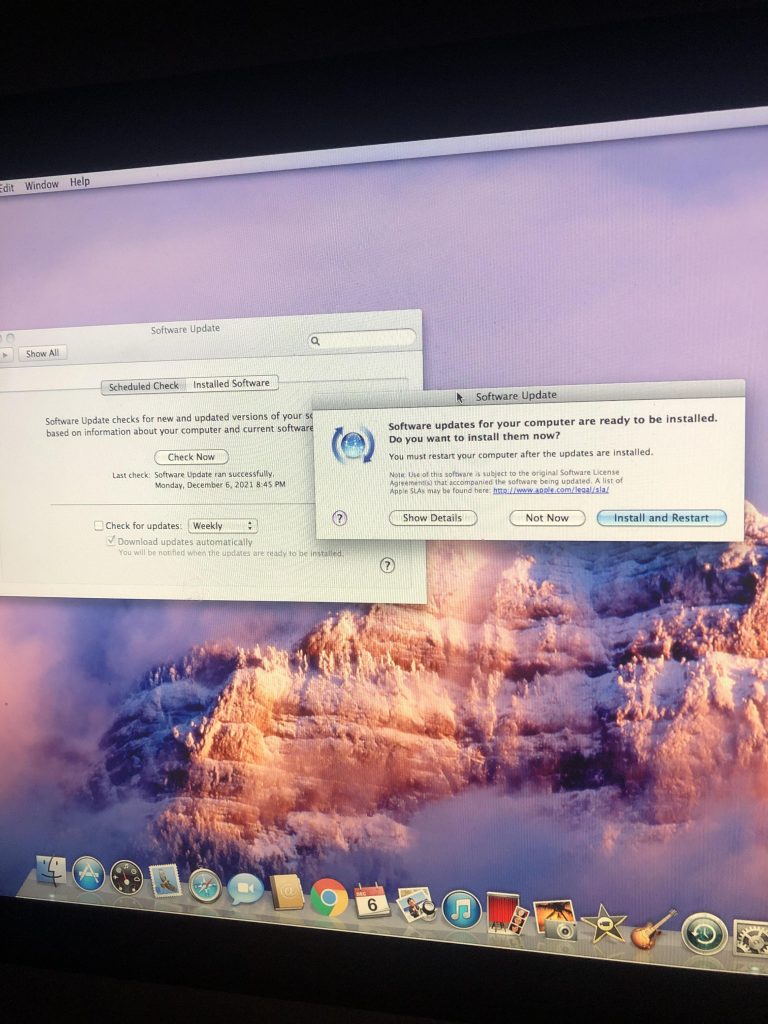
In today’s fast-paced digital world, software updates are more than just periodic enhancements. They are essential for maintaining app compatibility and ensuring optimal performance. Yet, what happens when an update disrupts the harmony between devices and applications? The stakes are high as users rely on their devices for daily activities, from communication to online banking.
The Delicate Balance
Software updates can introduce a range of changes, each aimed at improving the overall functionality of an application or operating system. These changes often include:
- New Features: Exciting additions, such as revamped user interfaces or new productivity tools, can significantly enhance the user experience. For instance, a popular messaging app might introduce end-to-end encryption to bolster user privacy.
- Bug Fixes: Resolving existing issues can lead to a smoother experience. For example, a gaming application frequently experiences crashes that are addressed through updates, reducing user frustration and preventing them from switching to competing games.
- Security Improvements: Regular updates can protect users from potential threats, such as malware and hacking attempts. For example, the infamous WannaCry ransomware attack exposed the vulnerabilities in outdated software, prompting urgent updates across the globe.
However, it’s important to recognize that these updates can also create compatibility issues, leading to frustrating experiences for users. When an update disrupts the delicate balance, it can result in a cascade of problems that may adversely affect user satisfaction.
Potential Outcomes
The consequences of software updates on app compatibility can vary widely, affecting both casual users and professionals in significant ways:
- App Crashes: Some applications may fail to launch or operate correctly after an update, a situation that is particularly troubling for users relying on specific apps for business tasks or creative projects.
- Performance Slumps: Users might notice a lag in functionality after installing an update, causing delays in workflows. For instance, graphic designers might find that their editing software functions sluggishly, hampering creativity and productivity.
- Feature Limitations: Certain features may become unavailable or altered following updates, leading to user dissatisfaction when essential tools seem to disappear overnight.
As technology evolves, grasping the dynamics of software updates and their implications becomes ever more vital. Understanding the potential risks and rewards allows both developers and users to navigate the digital landscape more effectively. It prompts an essential conversation: should manufacturers prioritize consistent updates to enhance security, even at the potential cost of compatibility?
Join us as we delve deeper into this complex topic, uncovering expert insights and advice for navigating the digital landscape while ensuring both innovation and stability in our software applications.
DIVE DEEPER: Click here to discover how A/B tests can enhance your app’s user experience
Unpacking Software Updates: What Lies Beneath
Software updates are a double-edged sword for app developers and users alike. On one hand, they serve as a crucial mechanism for enhancing app performance, addressing security vulnerabilities, and introducing novel features that can transform user experiences. On the other hand, they pose significant risks to app compatibility, potentially destabilizing systems and frustrating users. To understand the full scope of this issue, we must delve into the rationale behind these updates and their far-reaching implications.
The Motivation Behind Software Updates
Developers are driven by several motivations when rolling out software updates. Primarily, these updates aim to:
- Enhance User Experience: Updates often come with improved interfaces and performance optimizations designed to make applications more intuitive and responsive. For example, a renowned social media platform may overhaul its user interface to reduce loading times and enhance navigation, drawing in users to spend more time on the app.
- Patch Vulnerabilities: In an era where cybercrime is rampant, updates frequently focus on sealing security loopholes. Consider the Android operating system, which periodically pushes security patches to address flaws that could be exploited by hackers, thus safeguarding sensitive user data.
- Comply with Regulatory Standards: Updates may also be a response to changing laws and regulations in the tech landscape. For instance, updates to healthcare apps are often implemented to comply with HIPAA requirements, ensuring user data is handled legally and ethically.
Such motivations are undoubtedly noble and beneficial, yet the consequences of these updates can be unpredictable. Developers must ensure that new changes do not disrupt the existing functionality of their applications. Failing to do so can lead to a domino effect of compatibility issues.
The Compatibility Conundrum
As software updates roll out, we encounter various scenarios that exemplify the impact on app compatibility. Understanding these scenarios can help users and developers make informed decisions:
- Fragmentation: Different devices operate on various versions of an operating system, leading to fragmentation. A new update intended for the latest devices may leave older ones behind. For example, an app feature available on the newest iPhone model might not work on devices running iOS 13 or lower, leaving a subset of users frustrated.
- Integration Issues: Compatibility problems often arise when apps fail to integrate seamlessly with one another post-update. A widely used productivity suite may experience difficulties linking to a popular note-taking app after either has been updated, causing disruptions in teamwork and collaboration efforts.
- Device-Specific Bugs: Some software updates can inadvertently introduce bugs unique to specific device models. A recent update for a photography app might lead to rendering issues on a select group of smartphones, which then triggers a barrage of negative reviews as users express their dissatisfaction online.
Facing these challenges necessitates a nuanced understanding of software updates and their far-reaching implications on app compatibility. The ongoing conversation shifts the focus toward a crucial inquiry: can the tech industry effectively balance innovation with user satisfaction? With many encompassing considerations, the path forward remains a testament to the evolving digital landscape.
| Advantage | Description |
|---|---|
| Enhanced Security | Regular software updates address vulnerabilities, offering a safer user experience. |
| Increased Compatibility | Updating ensures the app functions smoothly with other systems and devices, minimizing compatibility issues. |
| New Features | Updates often bring new functionalities that improve user engagement and satisfaction. |
| Performance Improvements | Frequent updates can enhance the app’s efficiency, leading to fewer crashes and better overall performance. |
In our increasingly digital world, understanding the impact of software updates on app compatibility is crucial for users and developers alike. Each software update creates a bridge to enhanced security, framework improvements, and functionality expansions. Regular updates play a key role in fixing bugs that could compromise performance or security. With every iteration, developers not only enhance user experience but also ensure that applications remain efficient and relevant. Keeping software updated fosters better interactions within device ecosystems, particularly as both software and hardware constantly evolve. Users will find that timely software updates encourage compatibility, showcasing the importance of maintaining applications in a rapidly advancing technological environment.
DISCOVER MORE: Click here to enhance your app’s UX
The Ripple Effects: Exploring User Experience and Developer Challenges
The implications of software updates stretch far beyond just immediate changes to app functionality; they create a complex interplay that significantly impacts both user experience and developer workflow. As users encounter compatibility issues or exciting new capabilities, developers often find themselves under pressure to respond swiftly and effectively. To unpack these dynamics, we will examine the user experience during such transitions and the subsequent challenges developers face.
User Experience: A Mixed Bag
For end-users, navigating software updates can often resemble a rollercoaster ride—marked by highs of new features and lows of unexpected compatibility issues. The dual nature of this experience can be illustrated by considering:
- Feature Excitement: Users frequently look forward to updates filled with promise. For instance, streaming applications often roll out new algorithms designed to enhance video quality or reduce buffering. These changes can significantly improve user satisfaction and engagement. However, such updates may also lead to initial hiccups; buffering issues may arise during peak usage, temporarily overshadowing the intended improvements.
- Compatibility Frustration: The thrill of new features can tarnish quickly when users encounter compatibility glitches. A notable example is when popular mobile games release updates that cater only to the latest devices, leaving older models unable to access new levels or functionalities. This exclusion can foster a sense of dissatisfaction, pushing users to seek alternatives.
- Learning Curve: New updates often introduce user interface changes that require adaptation. While some users may welcome a fresh look, others can feel overwhelmed. A recent overhaul of an established email client, aimed at optimizing productivity tools, had many users grappling to locate familiar functions, resulting in a short-term decline in productivity.
Clearly, software updates can invoke a duality of excitement and frustration among users. They appreciate enhancements yet grow weary of compatibility issues that disrupt their interaction with the application.
Developer Dilemmas: Balancing Innovation with Stability
From the developer’s perspective, navigating the complexities of software updates is a constant balancing act. Shortsighted implementations can lead to reputational damage and financial loss. Some key challenges developers face include:
- Testing Across Variants: Ensuring seamless compatibility across a spectrum of devices and operating systems is no small feat. A single update might be compatible with the latest smartphone models, but the question remains about its functionality on older models or various operating system versions. Developers must allocate significant time and resources to extensive testing, which can impede speed-to-market for new features.
- Management of Legacy Systems: Many companies still run on legacy systems that are not optimized for newer updates. Developers often find themselves walking a fine line, as the need to support outdated technology can stifle innovation. A healthcare application, for instance, may face challenges integrating new encryption methods due to existing systemic constraints, impacting both security and compliance.
- User Feedback Loop: Developers rely on user feedback mechanisms to address issues swiftly post-update. However, the influx of user complaints can create a daunting backlog. Managing these complaints, while continuing to innovate, can lead to a struggle that inhibits progress, as developers attempt to please a diverse user base with differing priorities.
As we continue exploring the intricate landscape of software updates and app compatibility, it becomes clear that both users and developers must grapple with a host of expectations and realities. The effort invested in updates represents not just a technical challenge, but an ongoing negotiation between progress, user satisfaction, and system integrity.
DISCOVER MORE: Click here to learn how A/B tests can enhance your app’s user experience
Conclusion: Striking a Balance in Software Evolution
As we’ve seen, the impact of software updates on app compatibility is profound and multifaceted. It pivots on the delicate balance between introducing innovative features and ensuring a seamless user experience. While these updates can usher in significant enhancements—such as improved performance and cutting-edge functionalities—they can also trigger compatibility issues that frustrate users and challenge developers alike.
In an era where technology evolves at a breakneck pace, understanding the user experience becomes pivotal. Users are increasingly demanding; their expectations for smooth, optimal performance are higher than ever. When compatibility issues arise, they can swiftly undermine loyalty and user satisfaction, prompting a search for alternatives. Every update, therefore, carries the dual weight of promise and peril.
For developers, navigating this landscape is rife with challenges. They must continually invest in rigorous testing across multiple devices, manage legacy systems with varying compatibility requirements, and respond to a potentially overwhelming volume of user feedback. This ongoing negotiation not only affects the sustainability of software applications but also influences market dynamics as competing apps vie for users’ attention.
As we embrace the future of software updates, it’s crucial that both users and developers engage in constructive dialogue about their experiences and expectations. The ability to adapt and evolve together will determine the success of applications in a rapidly changing digital ecosystem. In essence, fostering a better understanding of the intricate relationship between software updates and app compatibility will pave the way for more resilient technologies that serve the needs of all stakeholders.
Related posts:
What to Do When a Software Update Causes Problems on Your Device
How to Efficiently Manage Software Updates on Mobile Devices
The Importance of Regular Software Updates for Cybersecurity
The Benefits of Software Updates in Productivity Apps
Troubleshooting Common Issues After Software Updates: Tips and Solutions
The Future of Software Updates: Trends and Innovations to Watch Out For

Beatriz Johnson is a seasoned tech writer and digital tools expert with a passion for simplifying the complexities of technology and mobile applications. With over a decade of experience in the tech industry, she specializes in topics like productivity apps, software reviews, and emerging digital trends. Through her work, Beatriz empowers readers to make informed technology choices and stay ahead in the ever-changing world of apps and innovation.