Best Practices for Device Management in Corporate Environments
Understanding the Importance of Device Management
In the rapidly evolving world of technology, efficient device management has emerged as a foundational element of corporate governance. As remote work and mobile device usage proliferate, organizations face a unique challenge in maintaining both productivity and security. Effective device management ensures that sensitive company data remains protected from unauthorized access and reduces the risk of cybersecurity threats that can arise from the growing volume of devices connected to corporate networks.
Policy Development
Policy development is the cornerstone of any successful device management plan. Establishing clear and concise guidelines for device usage enables organizations to communicate expectations to employees. These guidelines should encompass a variety of elements, including security protocols such as password requirements, device encryption, and procedures for handling lost or stolen devices. For instance, a company might dictate that all personal devices used for work must have a specific antivirus program installed and that passwords must be changed every 90 days. Implementing these policies not only helps safeguard confidential information but also fosters a culture of accountability among employees.
Regular Audits
Regular audits serve as critical checkpoints for organizations to assess their device management practices. By conducting ongoing assessments of devices, businesses can ensure compliance with established policies while identifying potential vulnerabilities. For example, an audit might reveal that certain devices lack the latest security updates or that employees are accessing sensitive data through unsecured public Wi-Fi. By making it a routine practice to audit devices, organizations can proactively address weaknesses before they become significant issues, ultimately leading to a more secure operating environment.
Employee Training
Employee training is vital in combating cybersecurity threats associated with device usage. Providing ongoing education allows employees to remain informed about the latest risks and best practices in device management. This may include workshops on recognizing phishing attempts or tutorials on securely using cloud-based applications. For instance, a company could implement a quarterly training program that highlights real-world examples of breaches caused by negligent device handling. Training not only empowers employees to protect themselves and the organization but also cultivates a workforce that is vigilant and security-conscious.
The BYOD Challenge
As BYOD (Bring Your Own Device) policies gain traction in corporate environments, organizations must adapt their device management strategies to accommodate this flexible approach. While BYOD can enhance employee satisfaction and productivity, it also raises complex security concerns. Companies must enforce stringent security measures to protect network integrity, such as requiring virtual private network (VPN) usage or multi-factor authentication for personal devices accessing corporate data.
Innovative Tools and Frameworks
To successfully navigate the complexities of device management, organizations should leverage innovative tools and frameworks. Device management software can automate inventory tracking, enforce security policies, and provide real-time notifications about potential breaches. Platforms like Microsoft Intune and MobileIron offer comprehensive solutions that allow businesses to manage devices seamlessly across various operating systems. By embracing these technologies, companies can enhance their management capabilities and ensure that their devices remain a secure asset rather than a liability.
Conclusion
Overall, proficient device management is indispensable for companies looking to bolster their security posture while maximizing efficiency in a digital-first world. By keeping policy development, regular audits, and employee education at the forefront of their strategies, organizations can not only protect their digital assets but can also create an environment ripe for productivity. As we continue to witness advancements in technology, the need for robust device management practices will only grow, highlighting the importance of staying informed and adaptive.
DISCOVER MORE: Click here to learn how A/B tests can enhance your app’s user experience
Establishing Clear Usage Guidelines
In any corporate environment, the foundation of effective device management largely rests on the establishment of clear usage guidelines. These guidelines serve not only as a rulebook for employees but also as a framework to ensure that devices are used responsibly and securely. A well-defined policy can significantly reduce risks associated with data breaches and unauthorized access, two major concerns that organizations face today.
When developing usage guidelines, organizations should consider the following key areas:
- Password Management: Enforcing strong password policies is crucial. All devices should require complex passwords that are regularly updated. As a best practice, companies can mandate the use of multifactor authentication to create multiple layers of security, thereby preventing unauthorized device access.
- Data Encryption: Protecting sensitive information through data encryption on both personal and corporate devices is vital. Ensuring that data—stored or transmitted—is encrypted helps mitigate the risk of data breaches, making it difficult for cybercriminals to access or misuse sensitive information.
- Acceptable Use Policies (AUP): Drafting an AUP that details what employees are permitted to do with company devices can help prevent misuse. This may include guidelines on internet browsing, software installation, and downloading content. For instance, prohibiting access to high-risk sites can help maintain a secure working environment.
Implementing Device Inventory Management
Another crucial aspect of device management is inventory management. Keeping track of all devices connected to corporate networks is essential for maintaining security and ensuring compliance with company policies. Organizations should establish a comprehensive inventory system that catalogs each device, including details such as:
- Device type (e.g., laptops, smartphones, tablets)
- Ownership status (corporate-owned vs. BYOD)
- Operating system version and installed applications
Utilizing device management solutions that offer automated tracking capabilities can significantly streamline this process. Such tools can provide organizations with real-time insights into device status, highlight compliance issues, and facilitate easier audits, ultimately improving the overall security posture.
Securing Network Access
As organizations embrace the flexibility of remote work, securing network access becomes increasingly important. Implementing Virtual Private Networks (VPNs) ensures that all internet traffic is encrypted, safeguarding data as it travels across public networks. Additionally, companies should consider adopting zero trust security models, where all users, regardless of location, must be authenticated before they can access any corporate resources. This approach minimizes potential vulnerabilities associated with remote work and provides a comprehensive layer of security.
Through the establishment of well-defined guidelines, diligent inventory management, and stringent network security measures, businesses can establish a strong foundation for their device management strategies. These best practices not only enhance security but also facilitate compliant and efficient operations in corporate environments.
Best Practices for Device Management in Corporate Environments
In today’s dynamic corporate landscape, implementing effective device management strategies is crucial. This enables organizations to enhance productivity, ensure security, and maintain compliance with regulatory standards. To delve deeper into the benefits of efficient device management, we present the following table:
| Advantage | Description |
|---|---|
| Increased Security | Employing strong device management practices significantly minimizes the risk of data breaches, protecting sensitive corporate information. |
| Improved Productivity | With streamlined device management, employees can enjoy seamless access to necessary tools and resources, fostering a more efficient work environment. |
Organizations that prioritize these best practices in device management not only protect their assets but also enhance overall operational efficiency. As mobile workforces grow, adapting to technological advancements becomes imperative. This proactive approach leads to sustainable growth, ensuring businesses remain competitive.
DISCOVER: Click here to enhance your app’s user experience
Leveraging Mobile Device Management (MDM) Solutions
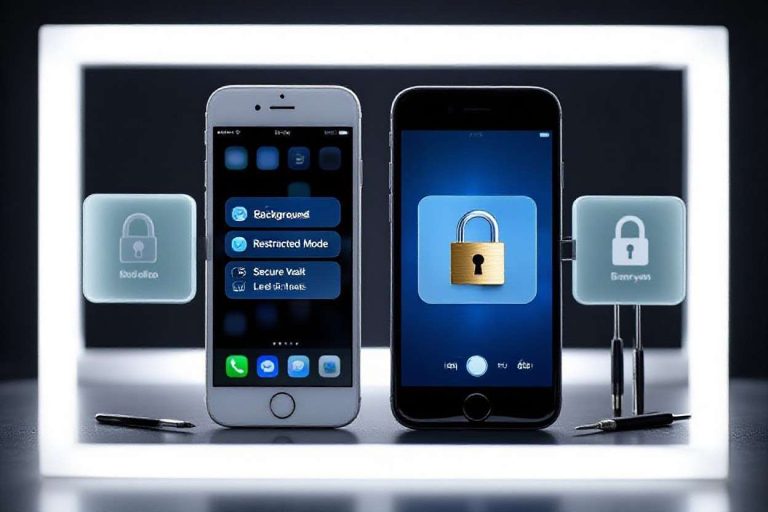
In a world where employees frequently utilize mobile devices for work, Mobile Device Management (MDM) solutions have emerged as an indispensable tool for safeguarding corporate data. MDM systems facilitate the centralized management and security of mobile devices, ensuring that company data remains protected irrespective of location. These systems provide organizations with the capability to enforce security policies, manage device configurations, and monitor device compliance.
Implementing MDM solutions offers numerous advantages, particularly in corporate environments where employees use Bring Your Own Device (BYOD) practices. MDM allows for effective tracking of authorized devices, implementing security features such as remote wipe capability, which ensures that if a device is lost or stolen, sensitive data can be erased instantly. This feature is paramount in protecting confidential information, especially considering that an estimated 50 million laptops are lost in airports annually in the United States alone.
Additionally, MDM solutions support application management, enabling organizations to restrict installations of non-compliant apps that could compromise device security. Through these systems, companies can control which applications employees can download, ensuring that only trusted software is utilized within the corporate infrastructure.
Regular Software Updates and Patch Management
Another essential practice in device management is maintaining up-to-date operating systems and software. Regular software updates and patch management are crucial for addressing newly discovered vulnerabilities that cybercriminals may exploit. Cyberattacks often target outdated software; therefore, developing a routine for monitoring and implementing updates can significantly enhance an organization’s security measures.
Organizations should prioritize automated update processes to ensure that all devices consistently receive the latest security patches and software improvements. According to a study by the Ponemon Institute, about 60% of organizations reported data breaches due to vulnerabilities in unpatched systems. By actively managing these updates, businesses can vanquish many threats before they materialize.
Encouraging a culture of cybersecurity awareness among employees is also vital in this context. Companies can facilitate training sessions or workshops that highlight the importance of software updates and demonstrate how to enable automatic updates on personal devices. Such initiatives foster a proactive approach to security and encourage employees to take responsibility for their devices.
Establishing a Robust Incident Response Plan
No matter how effective device management practices are, breaches may still occur; hence, it is imperative for organizations to have a robust incident response plan in place. This plan should outline the procedures to follow in the event of a security breach, clearly defining roles and responsibilities for employees involved in the response process. A well-structured incident response can mitigate damages, minimize recovery time, and facilitate quicker restoration of normal operations.
Regularly testing the incident response plan through simulated exercises helps ensure that employees are familiar with procedures and can act swiftly when necessary. Furthermore, organizations should conduct post-incident reviews to identify areas for improvement and enhance the effectiveness of their response strategies.
Incorporating these best practices into a cohesive device management strategy not only strengthens security but also cultivates an environment of accountability and awareness within corporate settings. As technology continues to evolve, staying ahead of potential threats demands a continuous commitment to improvement and adaptation.
DISCOVER MORE: Click here to learn how A/B tests can transform your app’s user experience
Conclusion
In today’s fast-paced corporate landscape, effective device management is not just a matter of convenience; it is a crucial component of organizational security and productivity. By implementing best practices such as Mobile Device Management (MDM) solutions, companies can centralize and streamline the management of all devices within their network, reinforcing data security while accommodating the growing trend of Bring Your Own Device (BYOD) policies.
Moreover, keeping software updated through regular patch management significantly reduces vulnerabilities that could be exploited by cybercriminals, with studies indicating that around 60% of breaches are linked to unpatched systems. Educating employees about the importance of maintaining updated devices fosters a culture of cybersecurity awareness, thereby enhancing the overall security posture of the organization.
Finally, a robust incident response plan is indispensable, providing a structured approach to handle breaches when they occur and minimizing potential damage. Through regular testing and improvement of this plan, companies can ensure that their teams are prepared to respond swiftly and effectively.
As technology evolves, so too must the strategies for managing it in the workplace. By adopting these best practices, organizations not only safeguard their data but also create an environment of accountability and proactive engagement among employees. The future of device management will undoubtedly bring new challenges, but with a commitment to continual improvement, businesses can navigate this landscape effectively.
Related posts:
Strategies to Optimize Device Performance in Home Environments
The Future of Device Management: Trends and Innovations
Device Management in Educational Environments: Tools and Strategies
Complete Guide to Device Security in a Connected World
How to Set Up and Maintain Security on Mobile Devices
How to Implement Device Management Policies in Regulated Sectors

Beatriz Johnson is a seasoned tech writer and digital tools expert with a passion for simplifying the complexities of technology and mobile applications. With over a decade of experience in the tech industry, she specializes in topics like productivity apps, software reviews, and emerging digital trends. Through her work, Beatriz empowers readers to make informed technology choices and stay ahead in the ever-changing world of apps and innovation.