Security in Finance Apps: How to Protect Your Transactions and Banking Information
Understanding the Importance of Security in Finance Apps
In today’s digital age, finance apps have become essential tools for managing personal and business finances. However, the increasing usage of these applications also invites a range of security threats that can jeopardize your transactions and banking information. Cyber threats are constantly evolving, leading to the necessity for users to remain vigilant and informed about how to protect their personal data.
Types of Cyber Threats
To secure your financial information effectively, it’s crucial to first understand the major threats you might encounter while using finance apps:
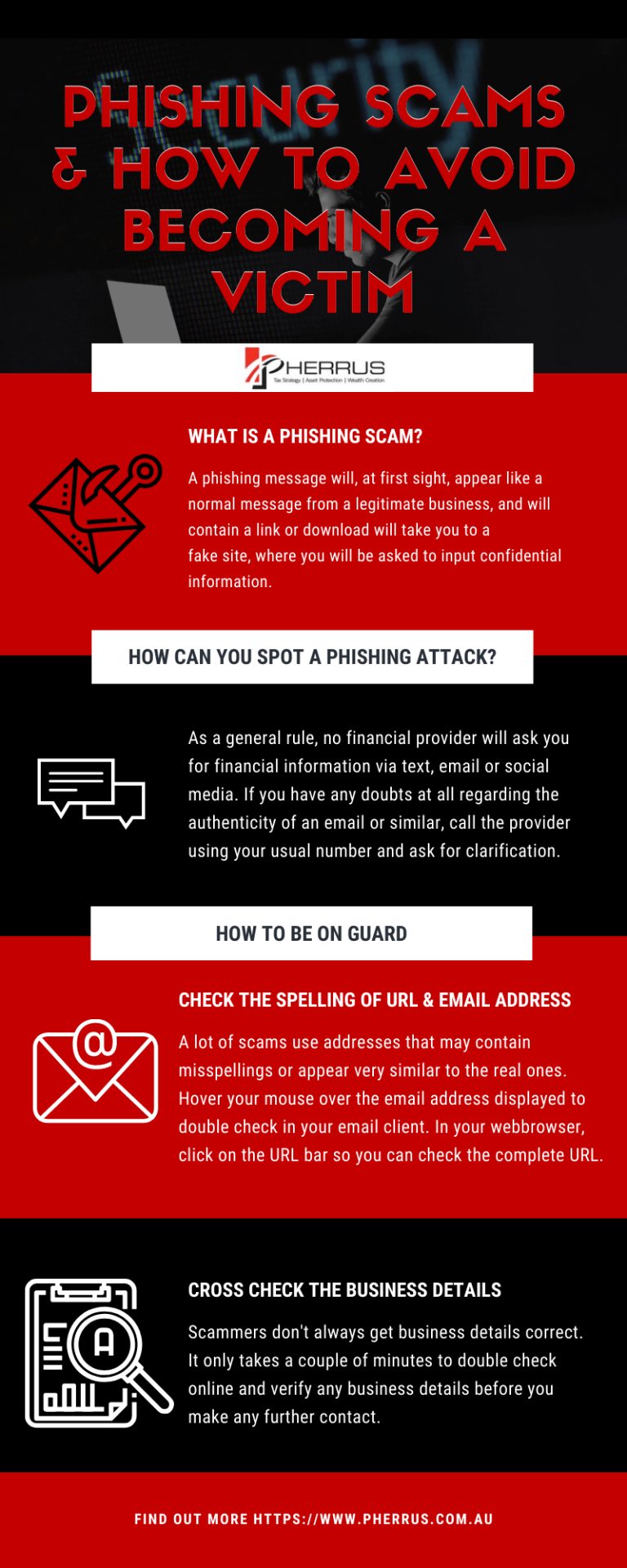
- Phishing attacks: Fraudsters often orchestrate sophisticated scams through deceptive emails and messages, tricking users into revealing sensitive information such as passwords or credit card numbers. For instance, a common phishing tactic might involve mimicking a legitimate bank’s email to prompt you to click on a link that leads to a fake website designed to steal your credentials.
- Data breaches: Even reputable financial institutions are not immune to security compromises. Major breaches at companies like Equifax and Capital One have exposed personal information of millions, illustrating how a single vulnerability can put countless accounts at risk. In these cases, sensitive data such as Social Security numbers, addresses, and financial details were accessed illegally, highlighting the need for robust security measures.
- Malware: Malicious software is another persistent threat. Programs designed to infiltrate devices can capture keystrokes, enabling attackers to gain unauthorized access to sensitive financial accounts. For example, keyloggers stealthily record everything typed, including passwords and account numbers, and can operate without the user’s knowledge.
Protecting Your Financial Data
Now that you are familiar with the types of cyber threats, what proactive measures can you take to safeguard your financial data? Here are some essential strategies:
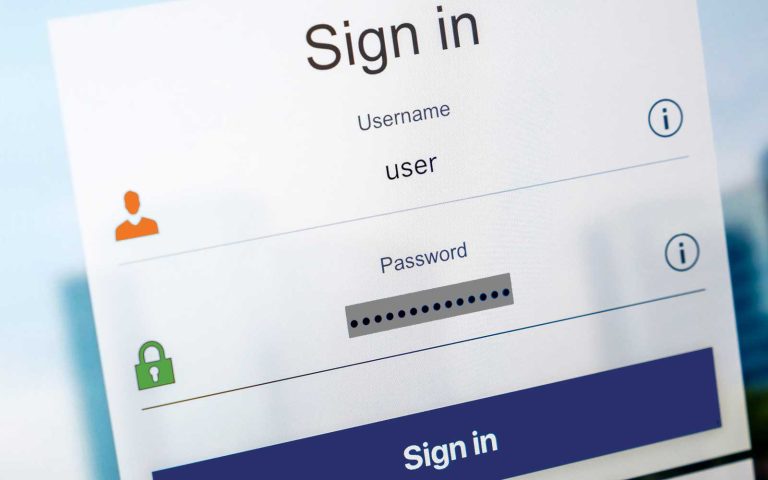
- Two-factor authentication: Activating this feature adds an essential layer of security. It generally requires not just a password and username but also something that only you have on you, such as a one-time code sent to your phone. This extra step can significantly reduce the chances of unauthorized access.
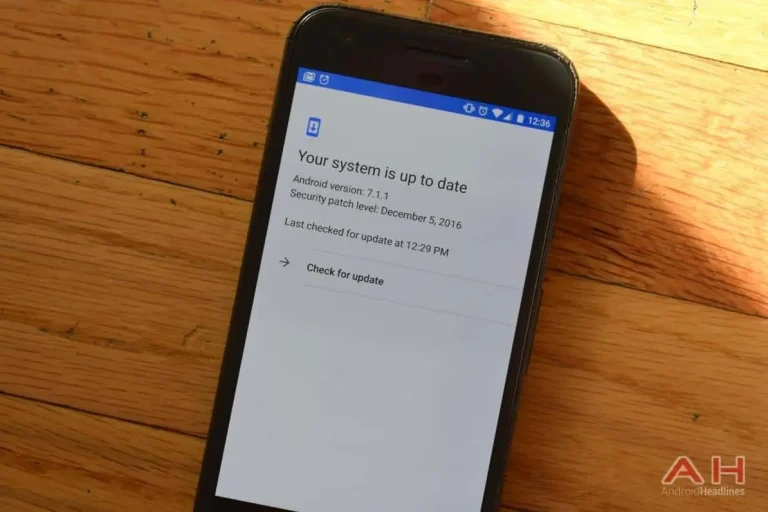
- Regular updates: Keeping your apps and devices updated is critical. Developers often release updates to patch security vulnerabilities that could be exploited by hackers. Make it a habit to regularly check for updates on your devices and applications to ensure you are protected against the latest threats.
- Monitor transactions: Regularly reviewing your account activity is vital for identifying unauthorized transactions quickly. Setting up alerts for transactions above a certain amount or for unusual spending can also help flag potential fraud attempts immediately.
In conclusion, maintaining your financial peace of mind requires an awareness of these threats and implementing proactive security measures. As you navigate through various finance apps, understanding these security essentials not only empowers you to protect your financial assets effectively but also enhances your overall experience with digital financial management tools. Staying informed and vigilant is key in a landscape where cyber threats are continuously evolving.
DISCOVER MORE: Click here to learn how A/B tests can enhance your app’s user experience
Recognizing Vulnerabilities in Finance Apps
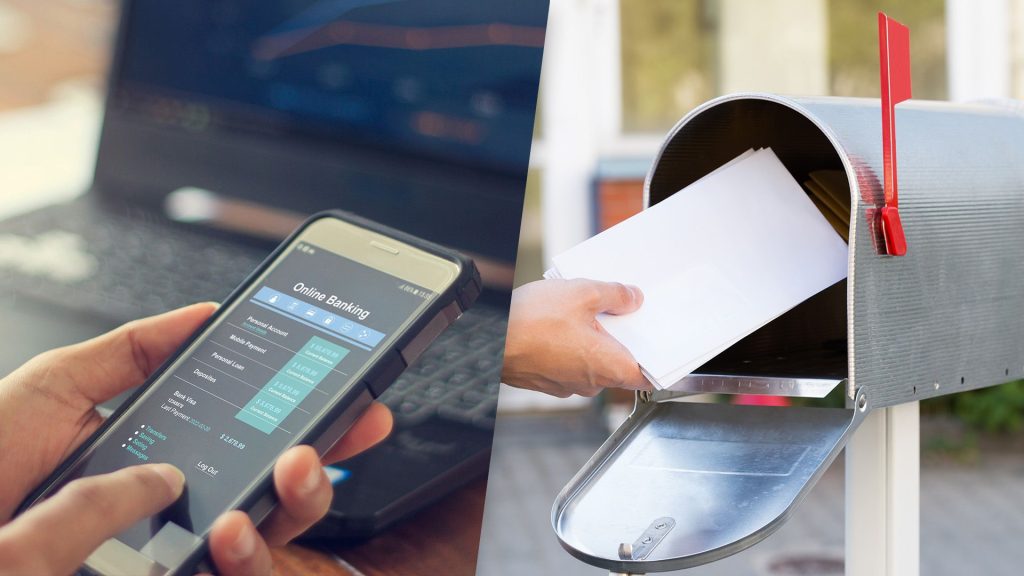
As we increasingly turn to finance apps for managing our monetary transactions, it becomes imperative to recognize their vulnerabilities. With an estimated over 60% of Americans utilizing at least one form of mobile banking, the allure of convenience often overshadows the critical need for security. Unfortunately, this convenience can come at a steep price if proper precautions aren’t taken. Understanding the potential weak points in these applications can empower users to take proactive steps.
Common Vulnerabilities in Finance Applications
Finance apps are designed for user-friendliness, which occasionally leads to security oversights. Here are some of the prevalent vulnerabilities to be aware of:
- Weak Encryption: Some finance apps fail to use robust encryption methods when transmitting data. Weak encryption can leave your banking information susceptible to interception by cybercriminals during data transfers, making it vital to choose apps that prioritize strong encryption standards and compliance with industry regulations.
- Insecure Connections: Using public Wi-Fi networks can severely compromise the security of your finance app. Hackers often use these unsecured connections to launch attacks, intercepting data sent and received. If you’re handling sensitive financial transactions, consider using a Virtual Private Network (VPN) to ensure your connection is secured.
- Limited User Education: Many users are unaware of the basic security requirements for using finance applications, such as not sharing login credentials or falling for social engineering tactics. Increased awareness can significantly reduce the risk of falling victim to common scams.
Best Practices for Enhancing Security
Fortunately, there are numerous practical steps you can take to enhance the security of your financial transactions within these apps:
- Choose Reputable Apps: Before downloading a finance app, research its reputation. Look for apps with a good track record, positive reviews, and adequate security certifications. The Better Business Bureau (BBB) or Consumer Reports can be helpful resources in this regard.
- Set Strong Passwords: A robust password can be your first line of defense. Create a unique and complex password that combines letters, numbers, and symbols. It’s essential to avoid using easily identifiable information, such as birthdays or pet names.
- Regularly Change Passwords: Regularly updating your passwords can protect you from unauthorized access, especially in cases of a potential data breach. Make it a habit to change your passwords every few months and utilize a password manager to keep track of them securely.
- Verify App Permissions: On installation, finance apps often ask for various permissions that may seem unnecessary. Always review these settings and deny permissions that do not pertain to the app’s function to minimize potential security risks.
By recognizing the vulnerabilities present in finance apps and implementing these best practices, you can greatly enhance your security and protect your transactions and banking information. Your financial data is invaluable, and safeguarding it should always be a top priority in an increasingly digital landscape.
| Security Measure | Importance |
|---|---|
| Two-Factor Authentication (2FA) | Enhances security by requiring two forms of verification, significantly reducing the risk of unauthorized access to accounts. |
| Encryption | Protects sensitive information during transactions, making it difficult for hackers to decipher data in transit. |
| Regular Software Updates | Ensures that the latest security patches and enhancements are applied, closing potential vulnerabilities that cybercriminals could exploit. |
| Fraud Monitoring | Allows for immediate detection of unusual activities, ensuring swift action can be taken to protect accounts. |
In the digital age, ensuring security in finance apps is paramount. Implementing measures such as Two-Factor Authentication (2FA) and encryption not only enhances user confidence but also actively shields against prevalent threats. Additionally, staying informed about software updates and recognizing the importance of fraud monitoring can empower users to take control of their financial information. Each of these security features plays a pivotal role in safeguarding transactions and banking information. Curious about enhancing your security further? Exploring advanced practices in personal finance security can reveal innovative solutions tailored to today’s digital landscape.
DISCOVER MORE: Click here to learn how A/B tests can enhance user experience
Advanced Strategies for Securing Your Financial Data
While recognizing vulnerabilities lays the groundwork for enhancing security in finance apps, implementing advanced strategies can significantly fortify your protection efforts. As financial technology evolves, so too does the sophistication of threats. Here are some cutting-edge security practices that every finance app user should consider:
Multi-Factor Authentication (MFA)
Multi-Factor Authentication (MFA) has become a standard in protecting sensitive accounts. This security protocol requires users to verify their identity through multiple means before accessing their financial information. Typically, this involves something you know (like a password) and something you have (like a smartphone app that generates unique codes or a text message verification). In fact, according to a 2023 study by Google, MFA can block up to 99.9% of automated attacks. When available, always enable MFA on your finance apps to create an added layer of security that is increasingly essential.
Biometric Authentication
The rise of biometric authentication—using physical characteristics like fingerprints, facial recognition, or voice patterns—adds another powerful security measure. Many finance apps have integrated biometric login features that not only streamline user experience but also enhance security. Research indicates that devices equipped with biometric security measures are less likely to be breached compared to those that rely solely on passwords. Always opt for finance apps that offer biometric authentication to protect your accounts.
Keep Software Updated
Regular updates to both finance apps and the devices they run on cannot be overstated. Developers frequently release updates to address security vulnerabilities, introduce new features, and improve overall functionality. Ignoring these updates can leave you at risk. Furthermore, using outdated software can expose your device to malware, ultimately jeopardizing your financial information. Set your finance apps to update automatically, or make it a routine to check for updates manually.
Monitor Your Accounts Regularly
Staying vigilant often means keeping a close eye on your financial transactions. Regularly review your account statements and transaction history for any suspicious activity. Many finance apps offer alerts to notify you of transactions over a specific amount or international transactions. Setting these alerts can help you quickly identify and address unauthorized access. According to the Federal Trade Commission (FTC), early detection of fraud can significantly reduce its impact.
Educate Yourself on Phishing Scams
In an era where social engineering attacks are rampant, being educated about phishing scams is crucial. Cybercriminals often impersonate legitimate entities via email or text in an attempt to trick you into revealing sensitive information. Always verify the source before clicking on links or providing personal details. For instance, the FTC reported that phishing scams accounted for a significant percentage of identity theft complaints. Staying informed about common phishing tactics can help safeguard your financial data.
Use Secure Payment Options
When making transactions, select secure payment methods. Many finance apps now support digital wallets or payment systems like Apple Pay or Google Pay that employ tokenization—a process that replaces sensitive card information with a unique identifier—adding another layer of security. Utilizing these secure payment methods can help protect your card details from being compromised during transactions. As an additional safeguard, consider linking your finance app to virtual credit card numbers for online purchases, further limiting exposure to your actual banking information.
Increasing your vigilance and employing these advanced security strategies can dramatically reduce the risks associated with using finance apps. In a digital age where security breaches are all too common, taking proactive steps ensures that your transactions and banking information remain as secure as possible.
DISCOVER MORE: Click here to enhance your understanding
Conclusion: Ensuring Your Financial Security in the Digital Age
In a rapidly advancing digital landscape, the security of financial apps is paramount to safeguarding your transactions and banking information. As identified throughout this article, integrating robust protective measures such as Multi-Factor Authentication (MFA), biometric authentication, and staying vigilant against threats like phishing scams are crucial steps every user should embrace. The statistics speak for themselves; for instance, a 2023 study by Google reveals that MFA can effectively block 99.9% of automated attacks, underscoring the importance of these security mechanisms.
Moreover, consistency is key when it comes to updating apps and monitoring account activity. Regular reviews can help you catch any irregularities early, significantly reducing potential fraud impacts, as highlighted by the Federal Trade Commission (FTC). Users must continually educate themselves on the latest scams and security practices to remain one step ahead of cybercriminals.
The financial world is increasingly interconnected, but with that connectivity comes a greater responsibility to protect personal information. Always select finance apps that prioritize strong security features, like secure payment options and real-time alerts for transactions. By adopting these strategies, you can enhance your financial safety and navigate the complexities of digital banking with confidence.
In conclusion, proactive measures are essential in the ongoing battle for financial security in this tech-driven era. Equip yourself with knowledge and implement these best practices to fortify your defenses against potential threats, ensuring that your transactions are as secure as possible.
Related posts:
How to Identify and Avoid Phishing in Messaging Apps
How to Protect Your Personal Data on Social Media Apps
How to Protect Your Communications in Instant Messaging Apps
How to Set Up Security Alerts in Online Shopping Apps
Tips to Enhance the Security of Your Financial Transactions in Payment Apps
Wi-Fi Security: Tips to Protect Your Connection and Devices

Beatriz Johnson is a seasoned tech writer and digital tools expert with a passion for simplifying the complexities of technology and mobile applications. With over a decade of experience in the tech industry, she specializes in topics like productivity apps, software reviews, and emerging digital trends. Through her work, Beatriz empowers readers to make informed technology choices and stay ahead in the ever-changing world of apps and innovation.