Emerging Trends in Device Management for Industry 4.0
Understanding the Future of Device Management
The rapid evolution of Industry 4.0 is reshaping how businesses manage their devices. As organizations integrate IoT solutions and smart technologies, the need for effective device management has never been greater. This new landscape demands innovative solutions to address challenges and leverage opportunities.
Key Challenges and Opportunities
As companies navigate this complex environment, they encounter several key areas for improvement:
- Scalability: With the explosion of connected devices, organizations must find ways to manage an increasing number of devices efficiently. For example, a manufacturing plant incorporating smart sensors might expand from a few hundred devices to thousands in a matter of years. This necessitates scalable device management systems that can adapt to rapid growth without sacrificing performance.
- Security: The rise of cyber threats presents a significant challenge. According to a report by IBM, cyberattacks have increased by 600% since the onset of remote work. Device management strategies must therefore prioritize robust security measures to protect sensitive data and maintain operational integrity, including multi-factor authentication and continuous monitoring protocols.
- Interoperability: Different devices and systems often utilize various communication protocols and platforms, leading to fragmented management processes. Consider a retail company using multiple vendor solutions for inventory tracking and customer engagement; ensuring these systems communicate fluidly is crucial for real-time insights and operational efficiency.
At the same time, emerging technologies are presenting exciting possibilities for device management. Companies can expect:
- Artificial Intelligence: AI can be harnessed to automate routine tasks, thereby enhancing efficiency. For instance, machine learning algorithms can analyze device performance over time, predict failures, and schedule preventive maintenance, reducing downtime and operational costs.
- Edge Computing: This technology allows for real-time data processing and analysis at the site of data generation, significantly improving response times. For example, smart manufacturing systems that process data locally can make immediate adjustments to production lines, optimizing output and reducing waste.
- Cloud Solutions: Leveraging cloud technology enables companies to manage and monitor devices remotely. This not only facilitates easier access to data but also allows for centralized control of devices spread across multiple locations, which is particularly beneficial for companies operating on a national or global scale.
Looking Ahead
In this article, we will explore the latest trends in device management for Industry 4.0. By examining current innovations and best practices, organizations can better prepare for the future. Staying informed about these developments is crucial, as the complexities and possibilities that lie ahead in this transformative era will continue to shape how businesses operate. Engaging with this content will help companies navigate the ever-evolving landscape of device management, ensuring they remain competitive in an increasingly interconnected world.
DISCOVER MORE: Click here to find out how A/B tests can enhance user experience
Transformational Innovations in Device Management
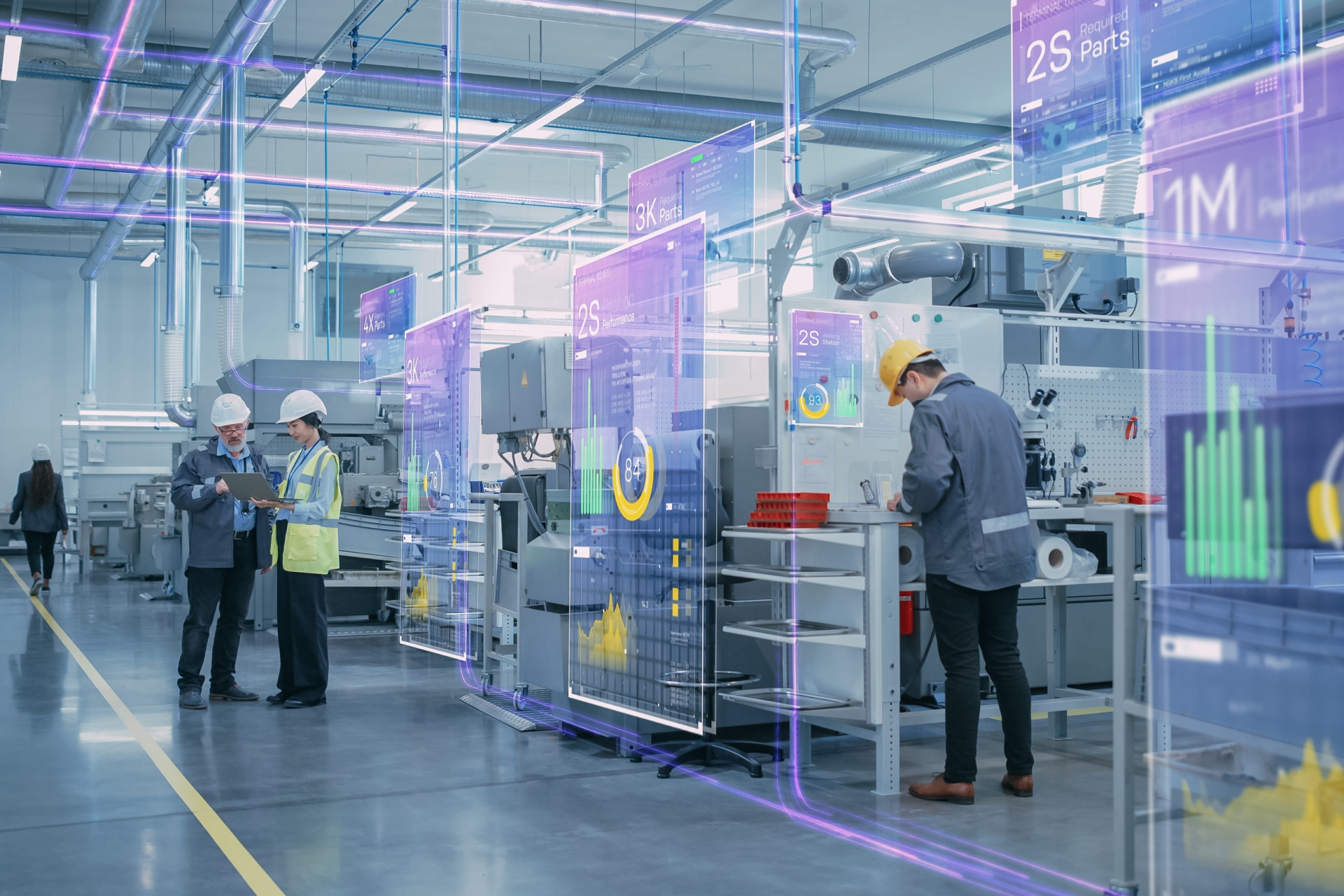
In a landscape defined by rapid technological advancements, the strategies surrounding device management are evolving at a pace that can leave organizations scrambling to keep up. Companies are leveraging a multitude of innovative technologies to enhance operational efficiency and bolster system security. In this section, we’ll delve into some of the most transformative trends that are shaping device management for Industry 4.0.
1. The Rise of IoT Device Management Platforms
As organizations implement more Internet of Things (IoT) devices, the need for comprehensive IoT device management platforms has surged. These platforms are designed to enable centralized management of thousands of devices, allowing businesses to monitor performance, deploy updates, and troubleshoot issues for all connected devices from a single interface. An illustrative example is General Electric’s Predix platform, which streamlines the management of industrial IoT devices, ensuring high uptime and performance efficiency.
2. Integration of 5G Technology
The introduction of 5G is poised to revolutionize device management, particularly in sectors like manufacturing and logistics. With enhanced speed and lower latency, 5G enables real-time data exchange between devices and management platforms. This connectivity facilitates faster decision-making processes, allowing organizations to respond dynamically to operational challenges. For instance, smart warehouses equipped with 5G technology can track inventory levels instantly, leading to improved accuracy in order fulfillment.
3. The Shift Toward Predictive Analytics
Data-driven insights are becoming increasingly valuable in the context of device management. Predictive analytics tools can analyze historical and real-time data, enabling organizations to forecast trends and potential equipment failures before they occur. By harnessing these insights, companies can transition from a reactive to a proactive maintenance approach, minimizing downtime and extending the life of their devices. A crucial application of this technology can be seen in the automotive industry, where manufacturers use predictive analytics to enhance vehicle performance and safety.
4. Enhanced User Experience through Automation
User experience is another area where device management is witnessing significant improvements. Automation technologies are being integrated to simplify complex management tasks such as software updates, diagnostics, and compliance reporting. These automated systems not only reduce labor costs but also free up valuable human resources for more strategic roles. For example, companies like Cisco are automating their network device management, yielding greater reliability and user satisfaction.
5. Comprehensive Compliance and Governance Frameworks
As regulatory requirements surrounding data security and privacy grow stricter, compliance has become a crucial component of device management strategies. Organizations are now adopting comprehensive compliance frameworks that encompass device lifecycle management, ensuring that all connected devices meet industry standards and regulatory demands. These frameworks can help mitigate risks associated with non-compliance, safeguarding companies from potential legal repercussions.
Moving forward, it will be critical for organizations to stay attuned to these emerging trends in device management for Industry 4.0. By embracing innovative technologies and strategies, businesses can not only overcome the challenges they face but also seize the opportunities that this new industrial revolution presents.
| Advantage | Description |
|---|---|
| Enhanced Connectivity | Emerging trends in device management foster robust IoT connectivity, enabling real-time data exchange and decision-making. |
| Automation and Efficiency | By utilizing AI and machine learning, organizations streamline processes, reduce downtime, and enhance operational effectiveness in Industry 4.0. |
The integration of enhanced connectivity solutions is redefining how industries interact with technology. As devices become increasingly interconnected, organizations harness the power of IoT for improved data transparency and predictive maintenance strategies. This shift empowers businesses to anticipate equipment failures before they occur, ultimately leading to cost reduction and improved productivity.Moreover, the role of automation powered by artificial intelligence is pivotal. It allows for seamless control and monitoring of devices, enabling quick responses to changing conditions. With cutting-edge technologies, companies can optimize their workflows and allocate resources more effectively. This not only enhances productivity but also fosters innovation, as automating routine tasks frees up valuable human resources for more strategic functions. As the landscape of Industry 4.0 continues to evolve, organizations at the forefront of adopting these emerging trends will likely reap significant rewards, paving the way for a more efficient and interconnected future.
DIVE DEEPER: Click here to learn how A/B tests can enhance app user experience
The Intersection of AI and Device Management
Artificial intelligence (AI) is increasingly playing a vital role in device management, driving forward the capabilities of organizations to optimize operational efficiencies. AI-powered solutions can analyze massive datasets generated by devices, enabling intelligent decision-making processes that can significantly enhance productivity. By employing machine learning algorithms, organizations are able to develop smart predictive maintenance schedules tailored to their unique operational environments. For example, AI-enabled platforms like Siemens’ Mindsphere provide insights derived from connected devices, helping manufacturers optimize their equipment and processes to prevent unexpected equipment failures.
6. Edge Computing and Real-time Processing
As the number of connected devices grows, so does the need for real-time data processing. This is where edge computing distinguishes itself by allowing data to be processed closer to the source rather than relying on a centralized cloud. This architecture significantly reduces latency and aids in quicker decision-making, which is essential for industries such as oil and gas, where seconds can equate to substantial operational losses. In practical terms, edge computing empowers devices to analyze data rapidly, providing on-the-spot insights without necessitating a connection to cloud servers. Companies like AWS are leading the charge with their IoT Greengrass platform, which enables local processing for smart devices in various sectors.
7. Blockchain for Security and Transparency
As device management systems become more interconnected, concerns regarding security and data integrity also intensify. Blockchain technology offers a compelling solution to these issues by providing decentralized, tamper-proof ledgers for device transactions and communications. For example, IBM’s Blockchain platform is being utilized in supply chain management to enhance transparency and traceability of devices. By implementing blockchain, organizations can ensure that the data exchanged between devices is secure and has not been altered, thereby enhancing trust in the integrity of their systems.
8. Cybersecurity Mesh Architecture
With the proliferation of connected devices comes an increased risk of cyber threats. Hence, emerging trends in cybersecurity are central to effective device management. The cybersecurity mesh architecture (CSMA) is gaining traction as a means of decentralizing security measures across connected devices, allowing for customized security solutions tailored to individual devices and use cases. This flexible approach enables organizations to reinforce their defenses against potential breaches while maximizing the performance capabilities of their devices. Notable organizations like Microsoft are implementing CSMA to protect their vast network of devices and applications.
9. Sustainability Initiatives in Device Management
In an era where environmental considerations are paramount, sustainability is becoming a driving force in device management strategies. Organizations are focusing on the sustainability of devices throughout their lifecycle, from manufacturing to disposal. Strategies include using energy-efficient devices, recycling components, and leveraging the circular economy to minimize electronic waste. Companies like Schneider Electric are leading initiatives to ensure that their devices have reduced carbon footprints, aligning technology management with environmental goals.
As the landscape of device management continues to evolve alongside Industry 4.0, these emerging trends are paving the way for more intelligent, secure, and sustainable operational practices. Organizations that embrace these shifts stand to gain a competitive edge in the rapidly changing industrial environment.
DIVE DEEPER: Click here to discover how A/B tests can elevate your app’s user experience
Conclusion: Embracing the Future of Device Management
The rapidly evolving landscape of device management in the context of Industry 4.0 presents a myriad of opportunities and challenges. As organizations integrate advanced technologies such as artificial intelligence, edge computing, blockchain, and cybersecurity mesh architecture, they not only enhance their operational efficiencies but also secure their data integrity and system resilience. The convergence of these trends demonstrates a clear shift towards smarter, real-time solutions that can adapt to complex demands across various sectors, from manufacturing to supply chain management.
Moreover, the growing emphasis on sustainability denotes a critical transformation in how devices are conceptualized, utilized, and retired. As companies like Schneider Electric lead by example, we see a commitment to minimizing environmental impact through innovative lifecycle management practices. This focus on greening technology aligns with the broader call for corporate responsibility, appealing to a more eco-conscious consumer base.
For businesses aiming to stay ahead in this competitive era, understanding and implementing these emerging trends in device management is no longer an option but a necessity. By spearheading initiatives that embrace technological advancements and sustainability, organizations can effectively future-proof their operations. As we move forward, the synergy of these trends will redefine the industrial landscape, compelling stakeholders to adapt and innovate in an age where digital transformation is the norm.
In summary, the successful navigation of the complexities of device management in the context of Industry 4.0 will hinge upon strategic foresight, technology adoption, and a commitment to sustainable practices. As these trends continue to unfold, they will shape a more integrated, efficient, and responsible industrial future.
Related posts:
How to Implement Device Management Policies in Regulated Sectors
Device Management and Sustainability: Strategies to Reduce Environmental Impact
Essential Tools and Applications for Device Management in Small Businesses
Device Management in Educational Environments: Tools and Strategies
Impact of 5G on Device Management and Connectivity
Strategies to Optimize Device Performance in Home Environments

Beatriz Johnson is a seasoned tech writer and digital tools expert with a passion for simplifying the complexities of technology and mobile applications. With over a decade of experience in the tech industry, she specializes in topics like productivity apps, software reviews, and emerging digital trends. Through her work, Beatriz empowers readers to make informed technology choices and stay ahead in the ever-changing world of apps and innovation.