Strategies for Collecting and Analyzing User Feedback in Apps
Understanding User Feedback as a Driver for Success
Collecting and analyzing user feedback is a pivotal element in the journey toward creating a successful mobile application. The digital landscape is bustling with competition, and user preferences are constantly evolving. This makes it imperative for developers and businesses to harness a deep understanding of their users’ thoughts and sentiments, which can inspire vital improvements and escalate user engagement.
One effective way to collect user feedback is through a variety of innovative methods designed to capture insights during users’ interactions with the app. Here are some proven strategies:
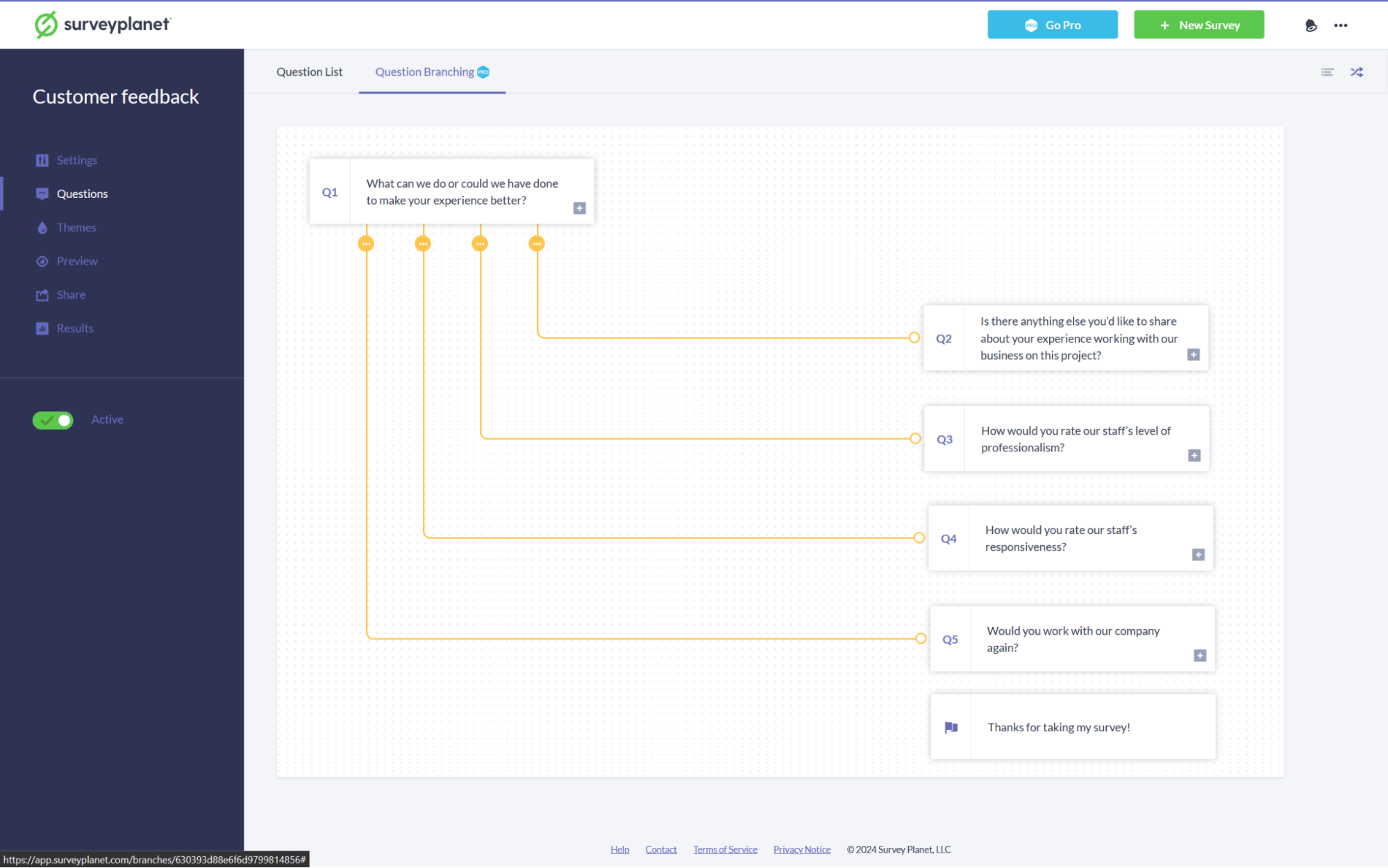
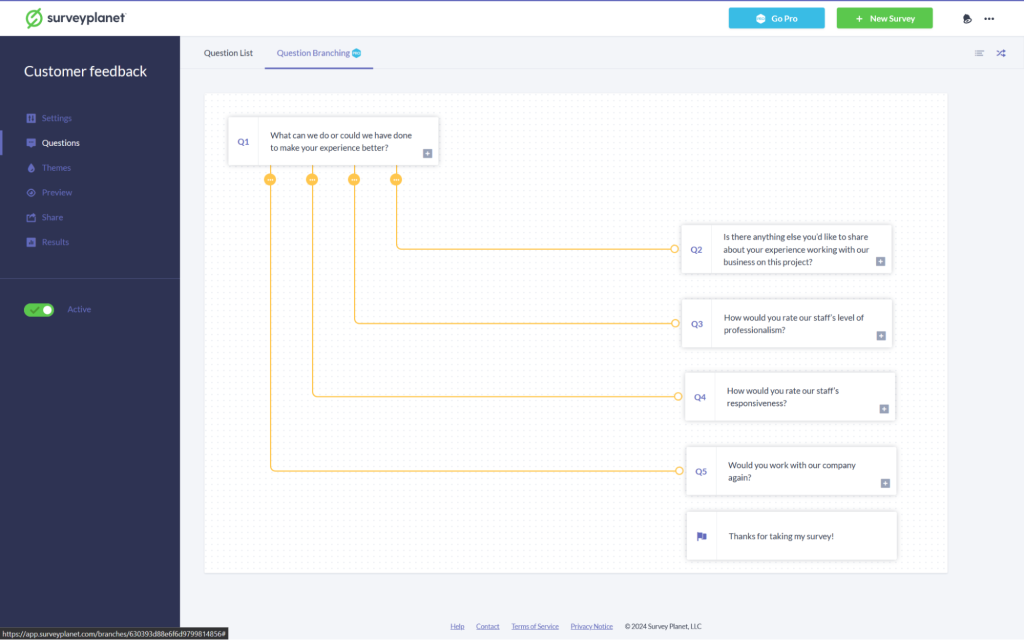
- In-App Surveys: Deploying quick, user-friendly surveys directly within the app interface allows developers to capture opinions on specific features or overall satisfaction in real time. For instance, a streaming service could implement a short survey after a user finishes a show, asking what they liked or if they would suggest changes.
- User Interviews: Engaging with users in one-on-one interviews can offer richer context and depth regarding their experiences. A mobile banking app, for example, might conduct interviews to understand why users abandon certain transactions or what additional features they wish for, leading to groundbreaking enhancements.
- Analytics Tools: Utilizing sophisticated analytics platforms can unveil patterns of user behavior that traditional feedback methods might overlook. Tools like Google Analytics and Mixpanel can provide insights into user interactions, highlighting drop-off points or understanding what drives frequent usage.
After collecting feedback, the next essential step involves thorough analysis. Simply amassing data is not enough; deriving meaningful insights from it is critical. Here are some key analysis techniques to employ:
- Thematic Analysis: This technique focuses on identifying recurring themes in qualitative feedback, helping developers understand common pain points or desires within user comments.
- Quantitative Analysis: By employing statistical methods, developers can assess the significance of various user responses, allowing them to prioritize which features to enhance based on user impact.
- Sentiment Analysis: This analytics approach evaluates the emotional tone behind user feedback, offering insights into overall satisfaction and areas of concern. Businesses can use this method to drill down into user emotions tied to certain app functionalities.
Implementing these strategies not only enhances the overall user experience but also fosters an environment ripe for innovation. By diving deeper into these various techniques and actively applying them, app developers can elevate user satisfaction, create innovative solutions, and ultimately watch their app flourish in a competitive landscape.
DISCOVER MORE: Click here to learn how A/B tests can enhance user experience
Effective Methods for Gathering User Insights
In the quest to create user-centric applications, leveraging the right strategies for collecting feedback is crucial. User feedback serves as a beacon, guiding developers toward enhancements that resonate with their audience. To effectively capture this feedback, developers must explore a range of methods that cater to diverse user preferences and contexts. Below are some compelling strategies to consider:
- Push Notifications: Utilize push notifications to prompt users for feedback after specific interactions or milestones within the app. For example, after a user completes a task or achieves a goal, a simple message can encourage them to share their experience. This method not only captures immediate reactions but also strengthens user engagement by showing that their opinions are valued.
- Feedback Forms: Integrating feedback forms into the app allows users to submit their thoughts effortlessly. By embedding these forms in accessible locations, such as the settings menu or customer support section, developers can create an unobtrusive space for users to voice their opinions. It’s essential that these forms are concise, ensuring users can provide input without feeling burdened.
- Social Media Listening: Monitoring social media platforms provides a unique opportunity to tap into user experiences and sentiments. Many users share their app experiences online, offering a goldmine of insights. Employing social media listening tools can help developers identify trends and gauge public sentiment about their app, giving them invaluable data to inform decisions.
Once feedback is collected, the analysis begins—an equally important phase in shaping the future of the application. The way developers approach this analysis can significantly influence their understanding of user needs. Here are some effective techniques for extracting meaningful insights:
- Cross-Referencing Data: By comparing user feedback from different sources, such as surveys and app analytics, developers can uncover patterns and correlations. For instance, if users report difficulties in navigating certain features, cross-referencing this feedback with analytics data showing high drop-off rates can reinforce the need for an urgent redesign.
- Segmentation: Analyzing user feedback by segmenting users based on demographics, usage frequency, or engagement levels can unveil specific user needs. Developers can prioritize enhancements that cater to the most significant segments, ensuring their updates resonate with those who matter most.
- Monitoring Trends Over Time: Regularly tracking user feedback allows developers to identify emerging trends and shifts in user sentiment. Establishing a feedback loop where users see their inputs leading to real changes fosters loyalty and encourages continued engagement.
By applying these strategies for both collecting and analyzing user feedback, developers can pave a path toward creating applications that not only meet but anticipate user needs. The landscape of app development is continually changing, making it vital for teams to stay agile and responsive in their pursuit of user satisfaction.
When delving into effective strategies for collecting and analyzing user feedback in mobile applications, it’s essential to recognize the myriad of channels available for garnering insights. To start, integrating in-app surveys can yield real-time feedback, allowing developers to collect valuable data at the moment users are most engaged. These surveys should be concise and contextually relevant, designed to fit seamlessly into the user experience without causing disruptions.In addition to surveys, leveraging social media platforms for user feedback can provide a broader scope of opinions and feelings towards the app. Creating dedicated social media channels not only fosters a community but also invites users to share their experiences and suggestions. This technique can help in identifying common pain points or desired features directly from the user base.User testing is another compelling strategy. Observing actual users as they navigate through the app can unearth usability issues that surveys might not reveal. This hands-on approach allows developers to gather qualitative insights and offers an opportunity to clarify user behaviors, leading to a more intuitive app design.Furthermore, analyzing app store reviews can serve as a goldmine of information. By systematically categorizing feedback received in app store comments, developers can pinpoint trends, assess user satisfaction, and prioritize future updates accordingly. It’s advisable to not only focus on positive feedback but to also dissect negative reviews, as they often contain critical data about where improvements are necessary.Lastly, implementing analytics tools will enhance the data collection process by tracking user interactions and behaviors systematically. By analyzing usage patterns, developers can derive insights that highlight what features are most engaging and which might be underperforming, thereby directing development resources more effectively.By combining these strategies, app developers can create a comprehensive system for collecting and analyzing user feedback, ultimately leading to improved user satisfaction and a more successful application.
| Strategy | Advantages |
|---|---|
| In-App Surveys | Collects real-time feedback without disrupting user experience. |
| Social Media Engagement | Fosters community and invites direct user dialogue. |
| User Testing | Provides qualitative insights into user behavior and app usability. |
| App Store Reviews | Highlights common pain points and areas for improvement. |
| Analytics Tools | Tracks user interactions, guiding resource allocation effectively. |
DISCOVER MORE: Click here to enhance your knowledge
Advanced Techniques for Enhancing Feedback Collection and Analysis
After establishing a foundation for gathering and analyzing user feedback, it’s crucial to explore advanced techniques that can further enrich the process. As developers seek to refine their applications continually, innovative strategies can yield deeper insights into user behavior and preferences. Here are some methodologies that can take user feedback collection and analysis to the next level:
- In-App Messaging: Deploying in-app messaging allows for real-time interaction with users while they engage with the app. This functionality makes it easy to solicit feedback at critical moments, such as during a design phase or after a new feature rollout. In-app messages can be personalized based on user behavior, enriching the user experience while delivering targeted insights for developers.
- User Interviews and Focus Groups: Conducting direct interviews or focus groups provides qualitative data that online surveys often miss. Engaging with users face-to-face (or virtually) reveals the motivations behind their feedback. This personal approach enhances rapport and encourages deeper discussions about their experiences, ultimately yielding rich insights that can inform design and development choices.
- User Testing Sessions: Observing users as they navigate the app in real-time can provide invaluable insight into how real users interact with features. User testing sessions can spotlight obstacles and highlight usability issues that may not be articulated in feedback forms. Analyzing behaviors during these sessions can also identify intuitive and less intuitive aspects of the user experience.
As important as the methods for collecting feedback are the techniques for analysis. Implementing sophisticated data analysis approaches can elevate the quality of insights derived from feedback:
- Natural Language Processing (NLP): Leveraging NLP enables developers to analyze open-ended survey responses or social media mentions efficiently. By utilizing algorithms to identify sentiment, common phrases, and recurring themes, developers can gain a comprehensive understanding of user perspectives. This tech-driven analysis transforms qualitative data into quantitative insights.
- Data Visualization Tools: Once the feedback is collected and categorized, employing data visualization tools can help convey complex information more clearly. Representing data through graphs, charts, and dashboards makes it easier for developers and stakeholders to grasp trends, identify outliers, and make informed decisions quickly.
- Automated Feedback Analysis: Implementing machine learning algorithms for automated feedback analysis helps categorize and prioritize feedback quickly. Systems can automatically analyze large volumes of user responses, flagging critical issues and themes for developers’ attention. This approach not only saves time but also enhances responsiveness in addressing user concerns.
It’s essential to note that effective strategies for gathering and analyzing user feedback do not exist in isolation. Successful developers will combine tactics suited to their specific audience and context, creating a tailored feedback ecosystem. By staying attuned to user sentiment and maintaining an adaptive approach to development, app designers can foster a strong sense of community and loyalty among users, transforming feedback into actionable solutions that drive user satisfaction.
DISCOVER MORE: Click here to learn how A/B tests can enhance user experience
Conclusion
In the competitive landscape of app development, the ability to effectively gather and analyze user feedback is paramount for sustained success. By implementing a mix of innovative techniques and advanced analytical methods, developers can unlock a treasure trove of insights that enhance user experience and drive application improvements.
Strategies for collecting feedback—ranging from in-app messaging and user interviews to real-time usability testing—enable developers to understand not just the “what” but also the “why” behind user sentiments. These qualitative insights are crucial for addressing user pain points and enhancing functionality. Furthermore, utilizing technologies like Natural Language Processing (NLP) and automated feedback analysis equips developers with the tools necessary to sift through vast amounts of data, transform qualitative input into quantitative metrics, and gain a nuanced understanding of user behavior.
But the journey doesn’t end with implementation. Effective data visualization tools can distill complex feedback into digestible formats, empowering teams to make agile modifications to their apps. By continuously adapting their feedback collection strategies and remaining responsive to the needs of their user base, developers cultivate an ecosystem of loyalty and engagement.
Ultimately, fostering a dialogue with users not only enriches the development process but creates a community that feels valued and heard. As the app marketplace evolves, the most successful developers will be those who prioritize user feedback and treat it as a fundamental asset in shaping the future of their applications.
Related posts:
Best Practices for Optimizing Navigation in Mobile Apps
The Impact of Responsive Design on User Experience Across Different Devices
Strategies for Integrating User Feedback in the App Development Cycle
How Gamification Can Improve User Experience in Apps
The Role of Microinteractions in Creating Engaging Experiences in Tech & Apps
Future Trends in User Experience: What to Expect in the Coming Years

Beatriz Johnson is a seasoned tech writer and digital tools expert with a passion for simplifying the complexities of technology and mobile applications. With over a decade of experience in the tech industry, she specializes in topics like productivity apps, software reviews, and emerging digital trends. Through her work, Beatriz empowers readers to make informed technology choices and stay ahead in the ever-changing world of apps and innovation.