How Gamification Can Improve User Experience in Apps
The Power of Gamification in User Engagement
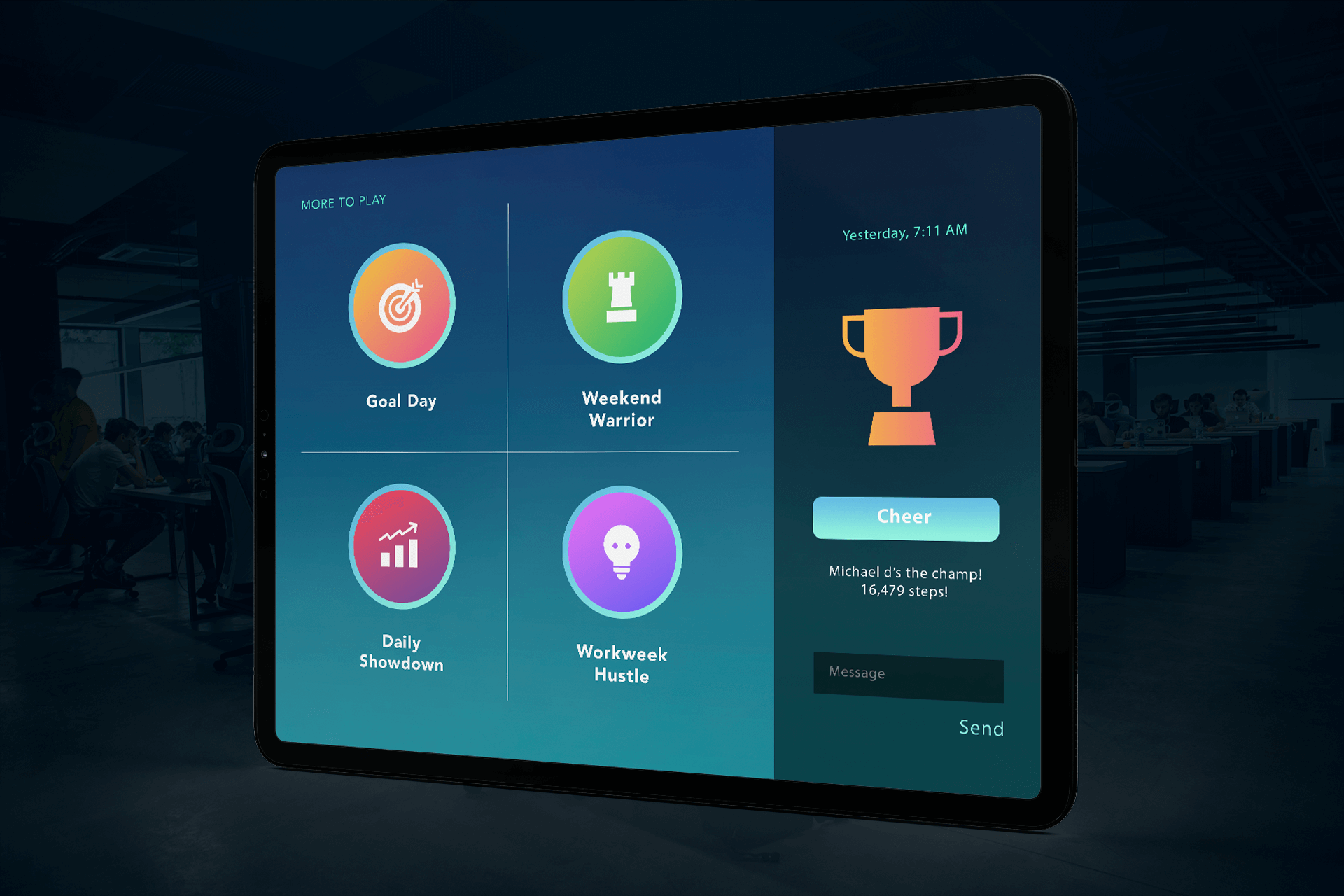
In a digital landscape dominated by an abundance of choices, capturing user attention can be a challenge. Gamification offers an innovative solution by introducing elements typically found in games—such as points, rewards, and immersive narratives—into everyday applications. This approach effectively transforms routine tasks into engaging experiences that keep users hooked.
One of the most significant advantages provided by gamification is the potential for increased motivation. By leveraging the psychology of rewards and achievement, developers can inspire users to complete tasks they may otherwise find dull or tedious. For example, a fitness app can create weekly challenges that reward users with virtual badges for meeting their exercise goals, which encourages them to push their limits and maintain healthier habits.
Moreover, gamification plays a crucial role in enhanced retention. Applications that incorporate game-like features see a substantial increase in user return rates. This is evident in platforms like Headspace, which uses meditation streaks as incentives, encouraging users to engage regularly to maintain their “in a row” record. This not only helps forge a habit but also instills a sense of belonging within a community of users striving toward personal growth.
An often-overlooked benefit is the facilitation of better learning. Interactive experiences that incorporate gamified elements allow users to absorb information more effectively. For instance, educational platforms like Kahoot! use quizzes integrated with game dynamics, making learning fun while reinforcing knowledge retention. As users compete against peers, they are motivated to engage deeply with the material, leading to a more impactful learning experience.
Insights can also be gained from the practical applications of gamification in popular apps. Take Duolingo, which gamifies language learning through its inventive use of points, levels, and streaks. This strategy not only motivates learners but builds a community of millions around shared milestones. Similarly, Fitbit transforms health management into an engaging quest by incorporating leaderboards and friendly competitions, making users feel accomplished as they interact with their fitness goals.
These examples highlight the immense potential of gamification and encourage developers and organizations to reassess their user engagement strategies. By harnessing the principles of game design, applications can evolve from mere tools into powerful and immersive platforms that deeply resonate with users, ultimately leading to higher satisfaction and loyalty.
In the next sections, we will explore specific tactics and remarkable benefits of gamification in depth, arming you with the knowledge needed to elevate user engagement within your applications and pave the way for a more interactive future.
DIVE DEEPER: Click here to discover how A/B tests can enhance your app experience
Unpacking Gamification: Key Techniques and Strategies
To fully grasp how gamification can improve user experience in apps, it is essential to explore the techniques that create these dynamic interactions. Developers employ a diverse array of game mechanics, each designed to engage users and enhance their overall experience. Understanding these techniques can guide app creators in implementing effective strategies to captivate their audience.
At the forefront of gamification strategies are points and rewards systems. This approach is rooted in behavioral psychology, where users earn points for completing specific actions, such as logging daily workouts or finishing quizzes. As users accumulate points, they unlock rewards—be it virtual badges, discounts, or points redeemable for premium features. This mechanism not only incentivizes usage but also fosters a sense of achievement.
Another significant component of gamification is the integration of levels and progression. By creating a structured path for users to navigate, developers can provide a heightened sense of accomplishment. For instance, a cooking app could introduce levels based on skill, allowing users to progress from novice recipes to gourmet creations, motivating them to advance their culinary skills.
The implementation of challenges and competitions further enhances user engagement. Apps like Strava allow users to participate in friendly competitions by setting challenges such as “Most Miles in a Month.” This not only cultivates a sense of community but also pushes users to break personal fitness records while fostering camaraderie among participants.
Moreover, the inclusion of leaderboards elevates the competitive spirit among users. By displaying rankings based on achievements or points, applications instill a sense of urgency to perform better—not just for personal satisfaction but also to see one’s name on the leaderboard. This feature commonly seen in fitness or gaming applications motivates users to engage more frequently to improve their standings.
- Points and Rewards: Users earn points for completing tasks and receive rewards that enhance their experience.
- Levels and Progression: A structured progression path encourages users to advance in skill or knowledge.
- Challenges and Competitions: Engages users through friendly competition and shared goals.
- Leaderboards: Fosters competition and motivation by displaying user rankings.
Lastly, the use of storytelling in gamification often creates immersive experiences. Apps like Habitica transform routine tasks into quests, allowing users to embark on adventures while accomplishing daily responsibilities. By engaging users’ imaginations, developers can turn mundane tasks into intriguing narratives, effectively deepening emotional connections to the app.
Total engagement and satisfaction cannot be overlooked; applying these gamification strategies effectively leads to increased user devotion and satisfaction. As users interact with the app, they encounter an experience that feels less like rote work and more like an exciting journey, significantly enhancing their overall user experience.
Gamification has emerged as a powerful strategy for enhancing user experience in applications, helping to engage users through interactive and rewarding experiences. By incorporating game-like elements—such as points, badges, and leaderboards—developers can motivate users to interact more frequently and meaningfully with their apps.One significant aspect of gamification is its ability to tap into users’ intrinsic motivation. When users achieve small milestones within an app—like completing a tutorial or reaching a new level—they receive immediate feedback that can lead to increased satisfaction and continued usage. This encourages a sense of accomplishment and can even foster a competitive spirit among users, particularly in apps that allow them to compare their progress with that of others.Additionally, gamification can facilitate learning by making complex tasks more enjoyable and less daunting. For example, educational apps that use gamification not only make studying fun but also promote retention of information through repetition and rewards. Users are more likely to complete a learning module if it feels like a game rather than a chore.Moreover, implementing gamified elements can assist in user retention. By encouraging ongoing interaction through challenges and rewards, developers can build a loyal user base. Apps that incorporate challenges and regular updates keep users engaged, as there’s always something new to explore, making them less likely to abandon the app for competitors.It’s important for developers to strike the right balance between fun and usability when designing gamified experiences. When done correctly, gamification enriches the user journey without overwhelming the user or detracting from the app’s primary purpose.Here’s a quick look at the advantages of gamification in apps:
| Advantages | Benefits |
|---|---|
| Increased Engagement | User retention is enhanced through points, badges, and leaderboards that encourage continuous interaction. |
| Motivation | Intrinsic motivation is stimulated as users strive for rewards and milestones, leading to a fulfilling experience. |
Understanding and implementing effective gamification strategies can dramatically elevate user experience in apps, fostering a deeper connection between users and the application they are engaging with. As specified, this approach not only helps keep users active but can also enhance overall satisfaction with the app, paving the way for both short-term engagement and long-term loyalty.
DISCOVER MORE: Click here to learn how A/B tests can enhance user experience
Emotional Engagement and Social Connectivity through Gamification
In addition to traditional mechanics such as points and levels, emotional engagement is a crucial factor in enhancing user experience through gamification. By tapping into users’ emotions, app developers can cultivate a more profound connection between the user and the app. For instance, apps like Duolingo enable users to learn new languages while being celebrated for their efforts through entertaining graphics and rewarding sound effects. This emotional reinforcement makes learning enjoyable and sustains user motivation to return to the app regularly.
Social connectivity is another vital aspect of gamification, augmenting user engagement by incorporating social features like sharing accomplishments and challenges with friends. For example, social fitness apps like Fitbit allow users to share their activity data with friends, fostering a support system that encourages participation. When users compare their achievements and receive feedback from peers, it creates a network of accountability, motivating them to push their limits and strive for improvements.
Furthermore, gamification can enhance user experience by promoting personalization within apps. Tailored experiences based on user preferences not only feel bespoke but also keep users more invested in the app. An ecommerce app might utilize gamification elements by identifying shopping habits, rewarding users for specific interactions, or even customizing their reward programs. This personalized approach can create a sense of ownership and significance, enticing users to engage more deeply with the app.
Data drives much of the potential for success in gamification. By leveraging analytics, app developers can track user behavior and preferences to refine their gamification strategies. Companies like Spotify utilize user data to create personalized playlists and share song recommendations—encouraging users to explore their music selection while keeping their engagement high. These data-driven strategies make the experience feel not only relatable but also relevant to users’ individual desires.
Moreover, the emergence of augmented reality (AR) and virtual reality (VR) technologies are reshaping gamification’s landscape. Apps such as Pokémon GO illustrate how blending the real world with digital elements creates an engaging experience that encourages users to explore their surroundings. By encouraging users to physically move and interact with their environment, these apps not only provide entertainment but also promote an increase in physical activities—a hallmark of enhancing user experience.
- Emotional Engagement: Creating an emotional connection between users and the app enhances satisfaction and retention.
- Social Features: Fostering connections through sharing accomplishments and friendly competition boosts motivation.
- Personalization: Tailoring user experiences based on preferences increases engagement and loyalty.
- Data-Driven Strategies: Using analytics allows developers to refine gamification elements for more effective interactions.
- Technological Integration: Leveraging AR and VR creates immersive experiences that captivate users and encourage exploration.
As app developers continue to harness the potential of gamification, integrating emotional, social, and technological elements will lead to a more immersive user experience. This strategic approach not only increases user satisfaction but also fosters long-term loyalty, ensuring that the app remains a mainstay in users’ digital lives.
DISCOVER MORE: Click here to learn how A/B tests can enhance your app’s user experience
Conclusion: The Future of User Experience Through Gamification
In summary, gamification is a transformative force in the realm of app development, capable of significantly enhancing user experience. By focusing on emotional engagement, developers can create deep connections that not only captivate users but also encourage continued interaction. The addition of social features brings a communal aspect to apps, making activities more enjoyable and motivating through shared experiences and friendly competition.
Furthermore, the power of personalization cannot be overstated; customized experiences tailored to individual preferences foster a sense of ownership and involvement. Users are more likely to stay engaged with apps that recognize and cater to their unique behaviors. Combined with data-driven strategies that leverage user analytics, developers can continuously improve these experiences, ensuring that users find value in their interactions.
The integration of augmented reality (AR) and virtual reality (VR) technologies signifies an exciting evolution within the gamification landscape, providing immersive experiences that not only entertain but also inspire users to explore and engage with the world around them. As these technologies progress, they hold the potential to redefine user experiences, making them richer and more dynamic.
As we look to the future, the continued exploration of gamification methodologies will be essential for app creators aiming to stay ahead in a competitive digital landscape. Embracing these innovative strategies not only enhances user satisfaction but also creates a loyal user base, ultimately solidifying the app’s presence in the daily lives of consumers. In this era of rapid technological advancement, the intersection of gamification and app design will undoubtedly set the stage for a new dimension of user experience.
Related posts:
The Importance of Accessibility in App Design: Ensuring Inclusive Experiences
The Impact of Responsive Design on User Experience Across Different Devices
How User Psychology Impacts Interface Design
How Microinteraction Can Transform the User Experience
How Emotions Influence App Usage Decisions: A Study of User Psychology
User Experience Trends for 2024: What to Expect in Tech & Apps

Beatriz Johnson is a seasoned tech writer and digital tools expert with a passion for simplifying the complexities of technology and mobile applications. With over a decade of experience in the tech industry, she specializes in topics like productivity apps, software reviews, and emerging digital trends. Through her work, Beatriz empowers readers to make informed technology choices and stay ahead in the ever-changing world of apps and innovation.