How Gamification Can Transform User Experience in Apps
The Importance of Enhancing User Experience in the Digital Era
In the fast-paced digital age, applications compete not only for downloads but for user engagement and loyalty. This constant competition has led to the rise of various innovative strategies designed to elevate user experience, one of the most popular being gamification. By incorporating game-like features into non-gaming contexts, developers can create a more interactive and enjoyable environment for users.
Understanding Gamification
At its core, gamification leverages elements typical of games—such as challenges, point systems, and rewards—to motivate and engage users. This strategy hinges on tapping into intrinsic motivations, which are the natural desires people have to achieve, connect with others, and find joy in accomplishing tasks.
Key Features of Gamification
Several core features contribute to the effectiveness of gamification in improving user experience:
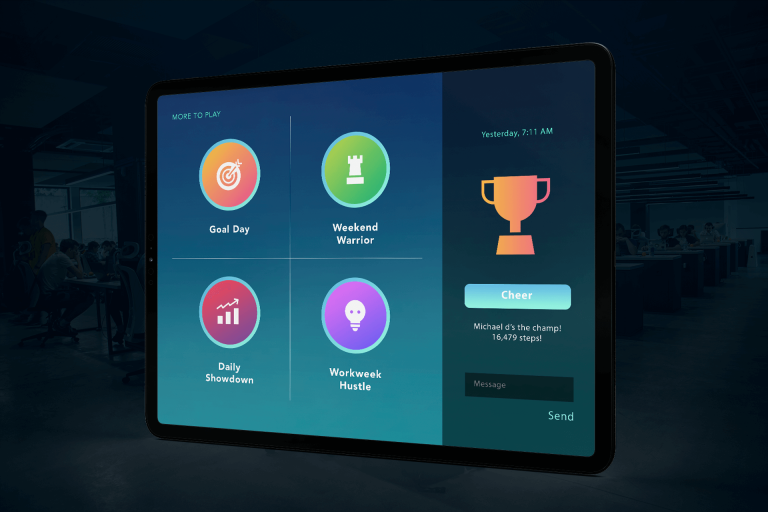
- Point Systems: By assigning points for completing specific tasks, apps can cultivate habits among users. For instance, a fitness app might reward points for logging workouts or hitting step goals, compelling users to engage more actively.
- Leaderboards: Implementing leaderboards not only fosters competition but also builds a sense of community. Users can see their standings among peers and feel motivated to improve their performance. Many educational applications utilize this feature, motivating students to participate more in activities and discussions.
- Challenges: Offering users challenges or quests, such as completing a certain number of lessons in a language-learning app, provides measurable goals that keep users engaged. It turns the learning process into an adventure, making it less daunting and more appealing.
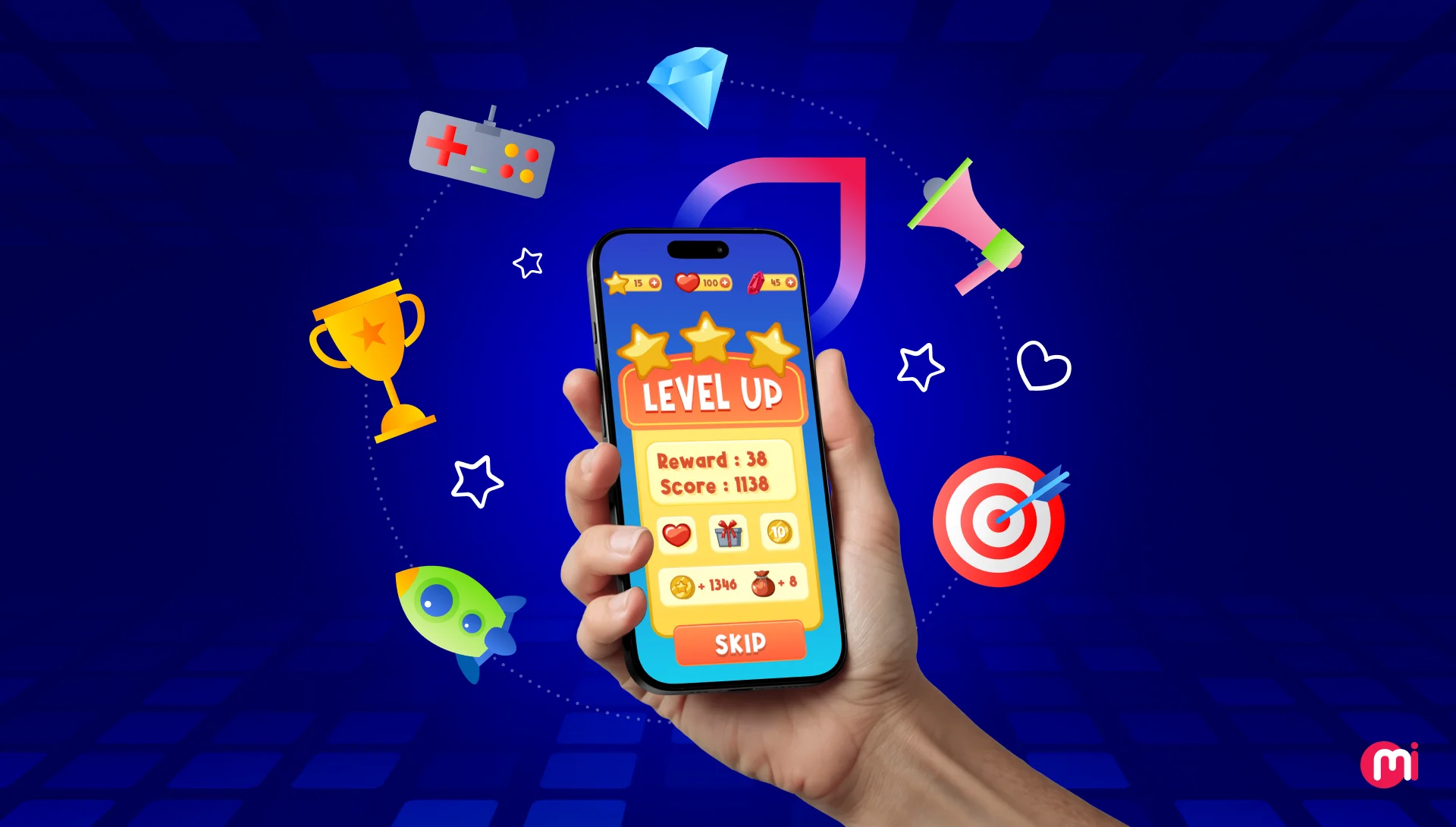
- Rewards: The allure of unlockable content or tangible incentives—like discounts or exclusive features—guarantees that users return to the app. For example, mobile games like Candy Crush reward players with extra lives or new levels, encouraging continual play and exploration.
Implementing Gamification Effectively
The real question for developers is how to integrate these elements thoughtfully and strategically. Successful applications often carry out user research to understand their target audience’s preferences and motivations. For example, a productivity app might utilize motivational quotes as users complete tasks, reinforcing positive behaviors and outcomes.
As we dissect the implications of gamification, it is essential to delve into how various industries have utilized this strategy. From healthcare apps that encourage patients to adhere to medication schedules by rewarding them for consistent usage, to financial apps that gamify savings habits by allowing users to set savings goals and track progress, the potential applications are both vast and varied.
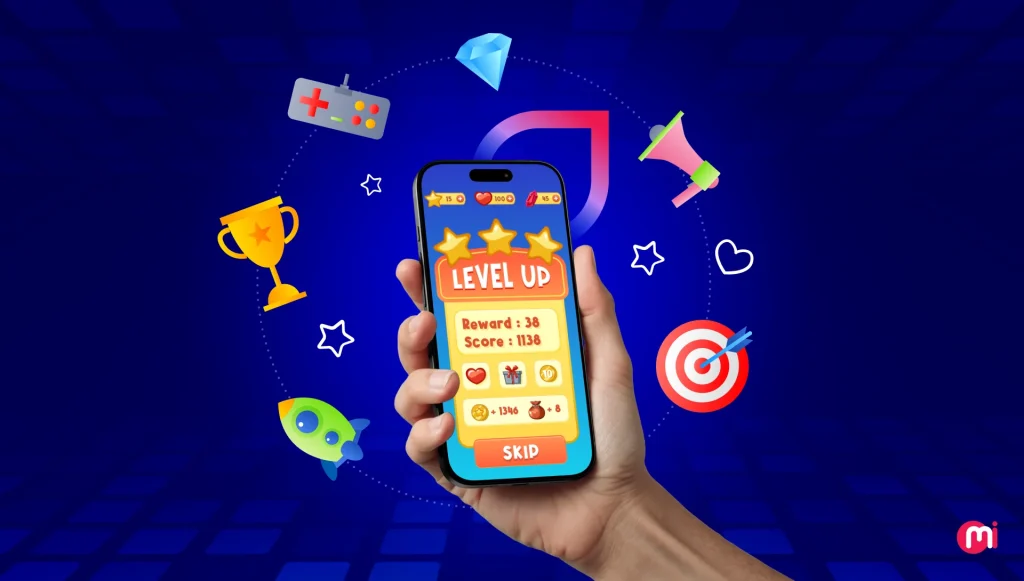
Join us as we explore real-world examples of gamification in action, uncovering how these strategies not only refresh existing applications but also pave the way for innovative user experiences that resonate in our daily lives. The revolution in how we interact with applications is just beginning, and understanding these methods could provide a roadmap for future developments.
DISCOVER: Click here to learn how A/B tests can enhance user experience
Gamification in Different Sectors
The integration of gamification into various sectors has proven to be a game changer in how users interact with applications. By recognizing the unique challenges and needs of each industry, developers employ gamification techniques that resonate with users, ultimately transforming their experience. Let’s explore how diverse fields are harnessing the power of gamification to enhance user engagement.
Healthcare Applications
In the healthcare sector, gamification strategies have emerged as effective tools to promote patient engagement and improve health outcomes. For instance, mobile applications designed to manage chronic illnesses now offer rewards and incentives for consistent medication adherence. Patients may earn points by tracking their medication schedules or completing health-related tasks, such as attending scheduled appointments.
Moreover, fitness applications utilize gamification to create an engaging ecosystem where users can set personal challenges, compete with friends, and achieve fitness goals. By incorporating features like badges for hitting milestones or giving users virtual trophies for daily workouts, these apps motivate users to maintain a healthy lifestyle.
Education Technology
Gamification in education technology is reshaping how students learn and interact with course material. Many learning applications incorporate game mechanics, such as point systems and levels, to create an interactive learning environment. For example, language-learning apps like Duolingo reward users with virtual currency for daily practice and achieving streaks, encouraging regular usage and reinforcing learning habits.
These applications often implement features like challenges and quizzes that gamify the learning experience. Educators can track student progress via leaderboards, promoting a competitive spirit that encourages participation and improvement. This approach not only enhances motivation but also fosters a sense of community among learners.
Financial Management
The financial industry has also embraced gamification to promote better financial habits among users. Personal finance apps often gamify budgeting and saving, allowing users to set savings goals tied to rewards. For example, users might receive bonuses or unlock features when they save a specific amount within a timeframe. Such incentives can transform the daunting tasks of saving and budgeting into more engaging and manageable activities.
Additionally, these applications often include visual progress tracking, which provides users with an engaging way to see their advancement towards financial goals. This aspect not only maintains motivation but also helps to instill a sense of accomplishment as users reach various milestones.
Retail and Customer Engagement
In the retail sector, gamification plays a crucial role in enhancing customer engagement, loyalty, and retention. Retail apps often incorporate reward programs that allow customers to earn points for purchases, which can later be redeemed for discounts or exclusive products. This not only creates an incentive for repeated purchases but also allows for a meaningful way to connect with the brand.
With features such as personalized challenges that offer rewards for shopping regularly or participating in promotional activities, retailers can maintain an ongoing relationship with customers. This level of engagement is essential in a highly competitive market, where companies are constantly seeking innovative ways to retain their clientele.
As the exploration of gamification continues, it’s evident that its application across multiple sectors drives not only user engagement but also fosters a deeper connection between users and applications. The journey into the potential of gamification enhances not just the usability of apps but redefines the overall user experience.
In the current digital landscape, transforming user experience through gamification has become a compelling strategy for app developers. By incorporating game mechanics into non-gaming environments, apps can significantly enhance engagement and retention. Below is a comprehensive table that summarises the main advantages of integrating gamification into user experiences.
| Advantage | Description |
|---|---|
| Increased Engagement | Gamification boosts user interaction by making tasks more enjoyable through rewards, challenges, and competition. |
| Enhanced Learning | Users can retain information better in gamified environments, making education apps more effective and appealing. |
The integration of these gamification strategies leads not only to an interactive user experience but also encourages users to explore the app in-depth. Such transformation sparks curiosity, driving users to delve into various app features, ultimately enhancing satisfaction and fostering loyalty. As the gamification trend continues to rise, understanding its impact on user experience remains crucial for developers aiming to create captivating apps.
DISCOVER MORE: Click here to learn how A/B tests can enhance your app’s user experience
The Impact of Gamification on User Behavior
Understanding how gamification impacts user behavior is pivotal to appreciating its transformative potential in app design. By leveraging psychological principles and game mechanics, developers can craft user experiences that are not only engaging but also effective in driving desired actions. This section delves into how gamification influences user motivation and decision-making processes, leading to an enhanced user experience.
Motivation through Intrinsic and Extrinsic Rewards
One of the primary motivations behind gamification is its capacity to harness both intrinsic and extrinsic rewards. Intrinsic rewards tap into users’ internal desires for achievement, mastery, and belonging. For instance, an educational app that allows users to progress through levels or earn badges for mastering new skills nurtures a sense of accomplishment. Users engaged in this type of reward system are often more likely to persist in their learning efforts, as each milestone achieved fosters greater self-efficacy.
On the other hand, extrinsic rewards, such as points, discounts, or bonuses, can motivate users by appealing to their desire for tangible benefits. Retail apps that offer customers points for purchases that can be exchanged for discounts exemplify this approach. According to a study by McKinsey & Company, businesses that implemented effective gamification strategies saw a 20%-30% increase in engagement, demonstrating that when users receive immediate gratification, they are more likely to return to the application.
Fostering Competition and Community
Competition is another cornerstone of gamification that effectively enhances user experience. By integrating leaderboards and challenges, apps can stimulate a sense of friendly rivalry among users. Consider fitness applications like Strava, where users can compete in challenges such as distance runs or cycling times. This competitive element fosters engagement, as users feel compelled to improve their performance not only for personal satisfaction but to outshine their peers.
The creation of community within these app ecosystems also cultivates greater user retention. Social features—such as sharing progress or issuing challenges to friends—transform solitary experiences into collaborative ones. This community aspect can significantly elevate user satisfaction, as it encourages users to connect with others who have similar interests and goals.
Behavioral Change and Habit Formation
Gamification’s strength in driving behavior change cannot be overstated. By incorporating features that encourage consistency, developers help users form new habits with relative ease. For example, language learning platforms often use daily streaks to encourage practice. Duolingo, for instance, stresses the importance of streaks through visual cues and reminders, making users more likely to engage daily. Research conducted by Behavioral Scientist suggests that gamified approaches to learning yield greater retention and efficacy in habit formation, producing lasting behavioral change.
This intersection of gamification and behavioral psychology is particularly noteworthy in applications focused on productivity. Apps like Trello and Habitica transform task management into a game by allowing users to earn rewards for completing to-do lists or achieving daily goals. As users engage with these “games,” they gradually establish productive routines that can enhance both personal and professional lives.
As we witness the evolution of gamification across various sectors, its potential to transform user experiences remains profound. By effectively tapping into the drivers of motivation, community, and behavior change, apps that utilize gamification are poised to redefine the way users interact, engage, and ultimately succeed within digital ecosystems.
DISCOVER MORE: Click here to learn how A/B tests can enhance your app’s user experience
Conclusion: The Future of User Engagement Through Gamification
As the digital landscape continues to evolve, understanding how gamification can transform user experience in apps becomes increasingly essential. The integration of game mechanics not only enhances user engagement but also fosters deeper connections between users and applications. By harnessing both intrinsic and extrinsic rewards, developers can motivate users in new and effective ways, driving them to regularly interact with their apps. This redefined interaction leads to increased user retention and satisfaction, creating a loyal user base.
Moreover, the competitive and community-driven aspects of gamification invigorate user experiences, prompting users to push their limits while engaging with others. By establishing vibrant communities within apps, developers can create enriching environments where users feel valued and connected. Additionally, the focus on behavioral change and habit formation through gamified elements empowers individuals to adopt healthier habits and enhance productivity, resulting in meaningful transformations in their daily lives.
In an era where user attention is fleeting, gamification emerges as a powerful tool for app developers seeking to create captivating experiences. As industries continue to explore the potential of gamification, it promises to lead to innovative approaches that not only delight users but also drive successful outcomes for businesses. For those looking to stay relevant in an ever-competitive market, embracing gamification could be the key to unlocking superior user experiences in the apps of tomorrow.
Related posts:
The Impact of Personalization on User Satisfaction in Applications
How A/B Tests Can Improve User Experience in Apps
How Gamification Can Improve User Experience in Apps
Future Trends in User Experience: What to Expect in the Coming Years
How User Psychology Impacts Interface Design
The Impact of Responsive Design on User Experience Across Different Devices

Beatriz Johnson is a seasoned tech writer and digital tools expert with a passion for simplifying the complexities of technology and mobile applications. With over a decade of experience in the tech industry, she specializes in topics like productivity apps, software reviews, and emerging digital trends. Through her work, Beatriz empowers readers to make informed technology choices and stay ahead in the ever-changing world of apps and innovation.