The Role of Microinteractions in Creating Engaging Experiences in Tech & Apps
The Power of Microinteractions
In today’s tech-savvy world, the small details can make a huge impact on user experience. Microinteractions—the subtle animations and feedback elements—play a pivotal role in transforming ordinary apps into engaging platforms. They are often the unsung heroes of user interfaces, yet their influence is profound.
What are Microinteractions?
Microinteractions consist of a range of elements that improve interactivity and usability, offering more than just a visual treat; they enhance the functionality of applications as well. They encompass:
- Hover effects and button animations: These elements give life to interfaces. For instance, when a user hovers over a button, a subtle change in color or a slight enlargement can signal interactivity, guiding the user on what to click.
- Notifications and alerts: Think about how your favorite email app alerts you when a message arrives. These notifications can include animated icons that draw attention without being overly intrusive, prompting users to engage.
- Loading indicators: Watching a website or app load can often feel like an eternity. Clever microinteractions, like playful animations while waiting, can ease frustrations and keep users entertained during the wait.
- Toggle switches and sliders: These interactive elements provide immediate tactile feedback, enabling users to adjust settings seamlessly. For example, a smooth slider that adjusts volume in a music app reassures users of their choices.
These features, though seemingly minor, can significantly enhance how users interact with technology. They simplify communication and provide users with a sense of control, thus fostering a deeper emotional connection with apps. Consider the social media platforms many Americans engage with daily – likes, shares, and comments all benefit from well-crafted microinteractions.
The Importance of Microinteractions
Consider the advantages they bring to the table:
- Guidance: Microinteractions can help users navigate complex tasks smoothly. For example, when filling out a profile on a website, a progress bar can guide users, reducing confusion and frustration.
- Feedback: They confirm actions and choices promptly. When a user clicks a submit button, a brief animation or change in color can signal successful submission, providing necessary reassurance.
- Delight: Microinteractions can create memorable experiences through playful elements. For instance, a confetti animation that celebrates a user’s milestone can turn a routine task into a joyful event.
As we delve deeper into the role of microinteractions in tech and apps, you’ll discover how these tiny components culminate in extraordinary user experiences. In a world where attention spans are fleeting, the nuances of design are more critical than ever. Prepare to explore these elements that can elevate your digital engagement and innovation, ultimately shaping the future of user experience in the technology-driven landscape of the United States.
DIVE DEEPER: Click here to discover how A/B tests can enhance user experience
Microinteractions as User Experience Bridges
The significance of microinteractions extends far beyond aesthetics; they serve as bridges that connect users with applications in meaningful ways. By addressing user emotions and expectations, microinteractions can amplify both satisfaction and engagement. These nuances transform interactions into dialogues, creating spaces where users feel acknowledged and valued. Let’s explore how microinteractions achieve this.
Enhancing Usability through Microinteractions
One of the most compelling aspects of microinteractions is their ability to enhance usability. Good design focuses on functional interactions that are intuitively understood. For instance, when a user swipes to refresh their newsfeed, an animated spin lets them know their action was recognized. This type of instant feedback is crucial; it not only confirms the action but also builds trust between the user and the application.
Moreover, the inclusion of microinteractions can significantly reduce cognitive load. When engaging with complex applications, many users can become overwhelmed. Microinteractions can simplify processes through minimalistic indicators, such as progress circles or checklist animations, guiding users every step of the way. This structured guidance reduces uncertainty and improves overall user satisfaction.
Building Emotional Connections
Microinteractions open the door to forging deeper emotional connections with users. Consider the use of animated icons or sound feedback when a user successfully completes a task. For example, a heart animation in a fitness app that celebrates a new personal record can instill feelings of accomplishment and motivation. Such positive reinforcement is not just a ‘nice-to-have’; it’s an integral part of fostering user loyalty and encouraging continued engagement.
Another fascinating application of microinteractions lies in personalization. Tailoring feedback to each user’s unique actions or preferences can elevate their experience. An app that changes its notifications or success animations based on user behavior demonstrates attention to detail, ensuring that users feel recognized. This feature becomes especially relevant in an era marked by customization, as individuals seek experiences that resonate with their personal choices.
Examples of Microinteractions in Action
Numerous tech giants have effectively harnessed the power of microinteractions in their applications:
- Facebook: The animated reactions to posts allow users to express various emotions, enhancing engagement through visually dynamic options.
- Spotify: The animated artwork that appears when a user plays a song adds a lively element to the listening experience, making it more enjoyable.
- Slack: The celebratory confetti that appears after a successful message sent boosts team morale and brings a fun twist to daily communication.
In summary, microinteractions play an essential role in creating engaging experiences by enhancing usability, fostering emotional connections, and offering personalization. As tech continues to evolve, these elements will remain critical in crafting applications that are not only functional but also truly engaging for users. Understanding their potential can set the foundation for innovative and user-centric designs that resonate profoundly with today’s audience.
The Impact of Microinteractions on User Engagement
Microinteractions play a pivotal role in enhancing user engagement within tech applications and websites. These subtle yet significant design elements can transform the user experience and often lead to increased satisfaction and retention. Microinteractions are the small moments that revolve around a single use case — such as liking a post, sending a message, or receiving a notification. They serve as feedback mechanisms, guiding users through interfaces and significantly influencing their interactions with the technology. For example, when a user uploads a photo and receives a smooth animation indicating that the upload was successful, it not only reinforces their action but also enhances their emotional engagement with the app.Additionally, microinteractions contribute to making complex tasks feel simpler. By breaking down processes into small, manageable interactions, they prevent users from feeling overwhelmed. This aspect is particularly crucial for apps designed for broader audiences, including novice users. Design elements like subtle animations, color changes, and engaging sounds can make tasks more enjoyable and create a sense of accomplishment in users.One powerful aspect of microinteractions is their ability to personalize the user experience. For instance, personalized greetings or notifications based on user behavior can foster a stronger connection between the user and the application. This personalization can lead to improved user loyalty and can significantly increase the likelihood of returning to the app.Moreover, the strategic use of microinteractions can also enhance brand perception. Well-designed microinteractions can convey professionalism and attention to detail, making a lasting impression on users. In contrast, poorly implemented microinteractions can frustrate users and result in negative associations with the brand.As the technology landscape evolves, incorporating refined microinteractions becomes essential for app developers looking to create engaging user experiences. Understanding the nuances of user interaction and how to leverage microinteractions effectively is crucial for fostering a loyal user base that is not only satisfied but also advocates for the application. In an ever-competitive market, tapping into the potential of microinteractions can be the key to elevating an application’s success and overall user engagement. Embracing this design philosophy can open doors to innovative possibilities, capturing the essence of what engaging technology truly represents.
| Advantages | User Benefits |
|---|---|
| Increased User Engagement | Microinteractions keep users motivated and interacting with the app. |
| Simplified User Actions | Break down complex tasks into manageable, user-friendly experiences. |
The integration of microinteractions into applications not only deepens user connection but also shapes the overall tech experience, demonstrating their critical role in modern app design.
DISCOVER MORE: Click here to learn how A/B tests can enhance your app’s user experience
The Impact of Feedback Loops on User Engagement
Feedback loops are a pivotal element of microinteractions that contribute to user engagement. When users perceive their actions are leading to tangible results, they are more likely to continue interacting with the application. This connection arises from the immediate feedback provided by microinteractions, effectively influencing user behavior and long-term engagement strategies. For instance, fitness tracking applications often include celebratory animations when users reach their daily activity goals, which motivates participants to consistently strive for achievement.
According to a study published by the User Experience Professionals Association, effective feedback can enhance user engagement by up to 30%. Such statistics underline the necessity for developers to incorporate real-time responses within applications. Whether acknowledging a user’s input in form submissions or indicating loading progress, providing feedback can keep users informed and reduce frustration, leading to a more enjoyable experience.
Microinteractions in Gamification Strategies
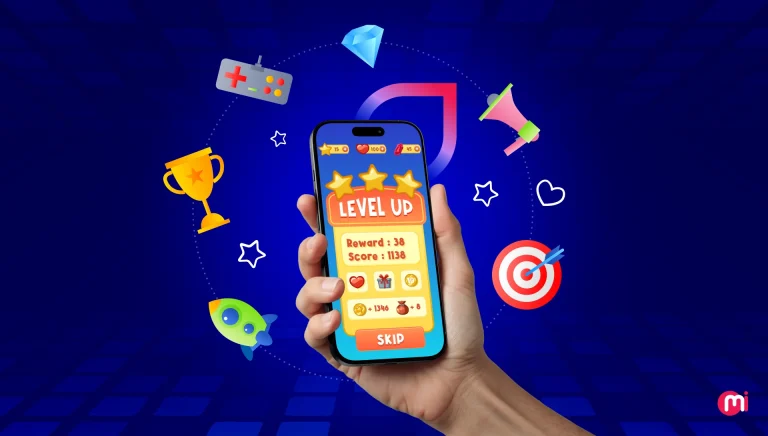
Gamification utilizes game-like elements to encourage user engagement, and microinteractions play a crucial role in this strategy. By integrating small rewards, notifications, and animations, tech and app developers can create an environment where users feel compelled to return. For example, applications that reward users with points or badges for completing tasks leverage microinteractions to celebrate progress and achievements, making each interaction feel rewarding.
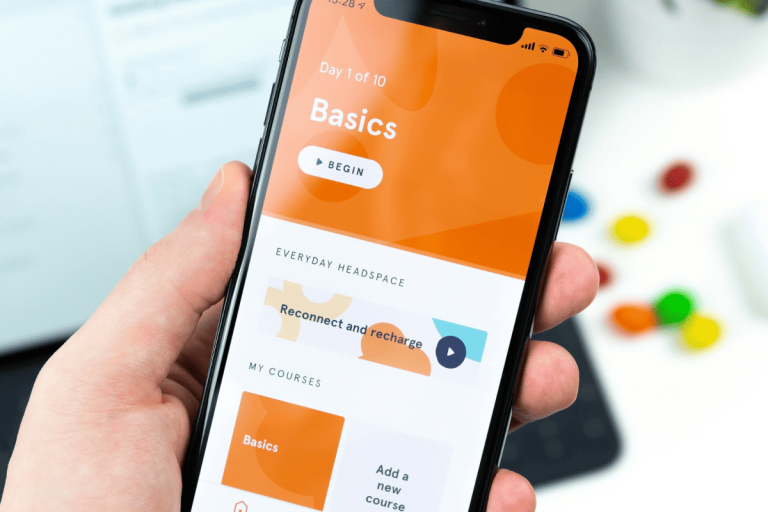
The success of gamification is evident in popular platforms such as Duolingo, which employs microinteractions to celebrate language learning milestones. This application uses sound effects, animated visuals, and progress indicators to guide users along their learning journey, ultimately resulting in an increase in daily app usage. Statistics show that gamified experiences can increase user retention rates by as much as 20%, proving that well-implemented microinteractions can lead to a significant enhancement in user experiences.
Subscription Services and User Retention
In the competitive landscape of subscription-based services, retaining users is paramount. Microinteractions contribute to retention by delivering personalized updates and reminders that resonate with user preferences. A prime example can be found in platforms such as Netflix, where microinteractions are utilized to inform users about new content tailored to their viewing history. Notifications about new shows or season releases create excitement and encourage users to revisit the platform.
Furthermore, effective communication through microinteractions can reduce churn rates, a common concern in subscription services. Companies leveraging data analytics can refine their microinteractions, sending alerts about users’ favorite genres or content along with personalized recommendations, ultimately fostering a sense of connection. Research indicates that businesses utilizing personalized interactions can enhance customer retention by 15-20%, showcasing the influence of microinteractions on user loyalty.
Accessibility Enhancements through Microinteractions
Inclusivity is becoming an essential aspect of app design, and microinteractions are fundamental in creating accessible experiences for diverse user groups. Features such as visual and auditory feedback ensure that applications cater to individuals with varying abilities. For example, a voice command feature in a mobile application can prompt an audible response that complements on-screen animations, guiding users who may have visual impairments.
Moreover, deliberate adjustments in microinteractions for those with cognitive challenges can enhance usability significantly. By adding clear animations and sound alerts to signal completion of tasks, developers create a more engaging environment that supports all users equally. As per the Web Accessibility Initiative, enhancing app accessibility can lead to improved user retention and greater market reach, merging social responsibility with business success.
In a digital landscape that constantly evolves, the strategic application of microinteractions to improve user experience addresses both emotional and functional needs, turning mundane interactions into engaging experiences.
DISCOVER MORE: Click here to learn how A/B tests can enhance your app’s user experience
Conclusion: The Lasting Effects of Microinteractions in Tech & Apps
In today’s fast-paced digital environment, the role of microinteractions in cultivating engaging experiences within tech and applications cannot be overstated. These seemingly minor elements are pivotal in shaping user perception, satisfaction, and engagement. By integrating features that acknowledge user actions—through visual cues, sound effects, and responsive feedback—developers foster a sense of connection that significantly enhances usability. With recent studies showing that effective feedback can bolster user engagement by up to 30%, the strategic use of microinteractions emerges as a necessity rather than a luxury.
Furthermore, the integration of gamification elements showcases how microinteractions can transform mundane tasks into rewarding experiences, leading to increased user retention rates by as much as 20%. This phenomenon illustrates that beyond functional performance, emotional resonance is key to successful app design. For subscription services, personalized microinteractions act as essential retention tools, leveraging user preferences to keep individuals engaged, ultimately enhancing customer loyalty and decreasing churn rates.
Equally important is the role of microinteractions in promoting accessibility within applications. By catering to diverse user needs, these elements ensure inclusivity, enhancing overall user satisfaction. The convergence of emotional engagement, gamification, personalized experiences, and accessibility through microinteractions heralds a new era in app design and tech development. As we continue to explore this dynamic landscape, the challenge remains for developers to innovate and utilize microinteractions more effectively, promising richer, more engaging experiences for all users. Engaging experiences will continue to pave the way forward in the tech world, and microinteractions are at the heart of this evolution.
Related posts:
How Emotions Influence App Usage Decisions: A Study of User Psychology
User Experience Trends for 2024: What to Expect in Tech & Apps
How Gamification Can Improve User Experience in Apps
How to Conduct Effective Usability Testing in Mobile Applications
Emotional Design Techniques to Enhance User Experience
How Gamification Can Transform User Experience in Apps

Beatriz Johnson is a seasoned tech writer and digital tools expert with a passion for simplifying the complexities of technology and mobile applications. With over a decade of experience in the tech industry, she specializes in topics like productivity apps, software reviews, and emerging digital trends. Through her work, Beatriz empowers readers to make informed technology choices and stay ahead in the ever-changing world of apps and innovation.