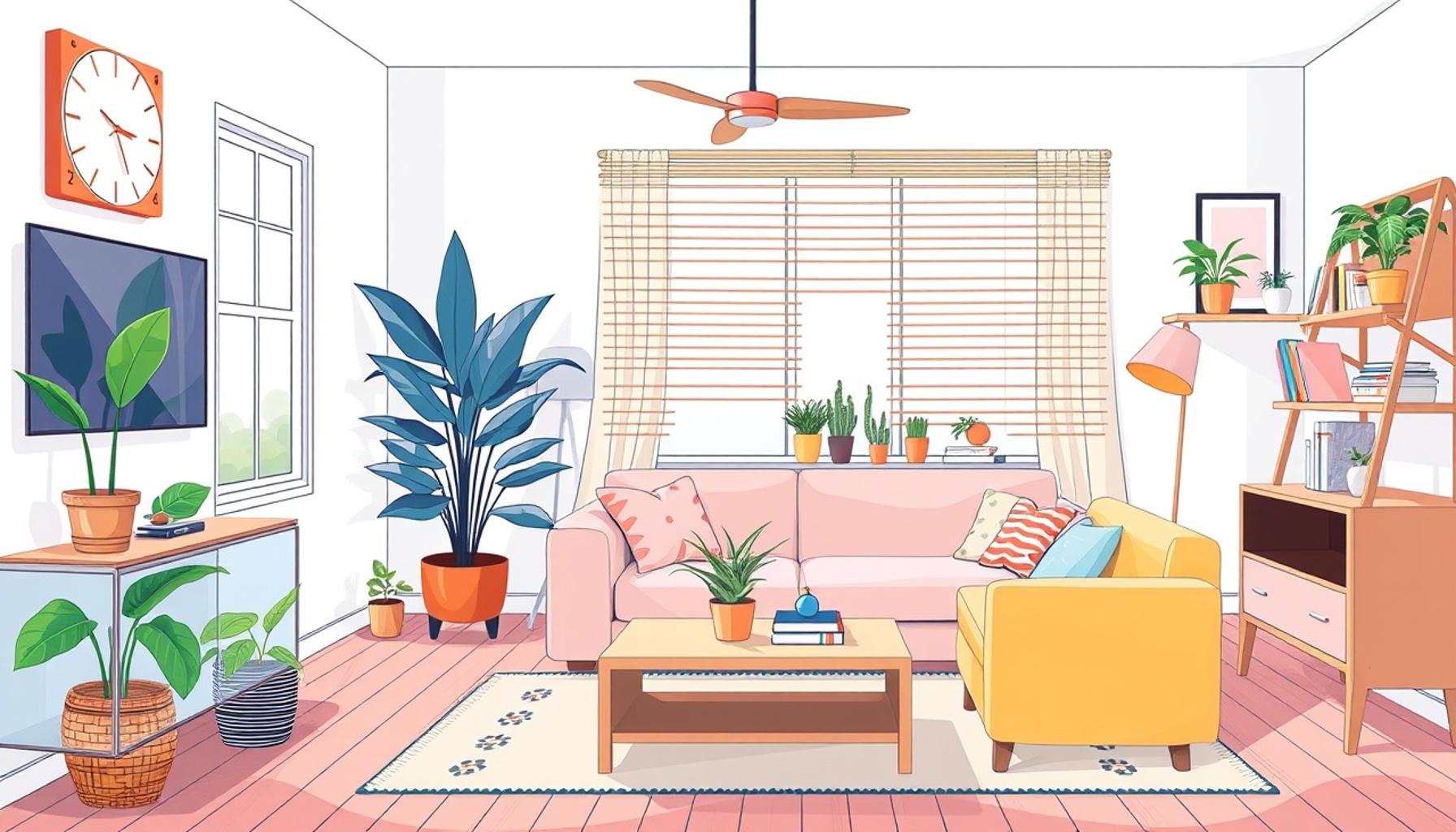
The Role of Multi-Functional Furniture in Achieving Space Efficiency
The Need for Space Efficiency in Modern Design
As urban areas continue to grow, the reality of compact living conditions is becoming increasingly widespread. For many, space efficiency is not just a choice but a necessity, especially in metropolitan hubs where square footage comes at a premium. As individuals and families navigate this challenge, multi-functional furniture emerges as an ideal solution, offering versatility without sacrificing style or comfort.
Innovative Designs for Everyday Life
Multi-functional furniture is ingeniously designed to serve various roles within a single piece, which is particularly beneficial in small living spaces. For instance, sofa beds are ideal for studio apartments or guest rooms, seamlessly transforming a cozy living area into a comfortable sleeping space for visitors. This dual-purpose functionality is a game changer, especially when hosting friends or family, allowing homeowners to accommodate extra guests without requiring additional rooms or extensive floor plans.
Another great example is the storage ottoman. These pieces go beyond mere seating; they are equipped with hidden compartments to store items such as blankets, magazines, or even toys. This ingenious feature helps keep spaces tidy and organized, reducing clutter while providing additional seating options. Such multipurpose items are especially popular among students and young professionals looking to make the most out of their smaller apartments.
Maximizing Utility with Folding Features
Additionally, folding tables represent another stellar example of multi-functional design. These tables can expand during meals or gatherings and be neatly tucked away when not in use, freeing up valuable floor space. Perfect for dining rooms that double as workspaces, they enable users to transition their environment effortlessly from dining to productivity.
Benefits Beyond Space Saving
The advantages of incorporating multi-functional furniture extend well beyond mere space management. For one, it promotes mobility and flow in tight quarters, making movement throughout a space easier. Moreover, it eliminates the need for excessive furniture purchases, which can be both a financial strain and an environmental burden, echoing the growing trend towards minimalism in contemporary living.
Understanding the impact of multi-functional furniture can inspire innovative design choices that significantly enhance both the aesthetic and functional aspects of everyday environments. As individuals explore these options, they may find themselves better equipped to create homes and workplaces that are not only efficient but also inviting and practical.
Innovative Solutions for Modern Living
With the increasing demand for space efficiency, multi-functional furniture is rapidly becoming a staple in homes across the United States. These innovative designs are born from the need to optimize every inch of available space while maintaining a sense of style. Whether residing in a bustling city apartment or a cozy suburban home, individuals are prioritizing versatile furniture that adapts to their changing needs and preferences.
One key characteristic of multi-functional furniture is its ability to serve various purposes without compromising quality or aesthetics. Take, for example, the versatile Murphy bed. This clever design allows a bed to fold away into the wall when not in use, freeing up valuable floor space during the day. Not only does it maximize the square footage of a room, but it also aligns with the modern trend of transforming small living areas into functional spaces for work, relaxation, and entertaining.
Another significant example is the extendable dining table, which caters to different social situations. These tables can be compact for day-to-day use and then expanded when family and friends come to visit. This adaptability is essential in urban settings where dining space is often limited. Furthermore, when the table is not extended, it creates a more open environment, which is crucial for smaller homes.
Storage Solutions Built-In
In addition to providing versatile uses, multi-functional furniture often incorporates clever storage solutions that help alleviate the clutter common in smaller spaces. Items such as bench seats with hidden storage, coffee tables with compartments, and bookshelves that double as room dividers exemplify how creativity can transform traditional furniture into practical solutions. Some benefits of integrating these multi-functional pieces include:
- Space Optimization: By serving multiple functions, furniture reduces the total number of items needed, freeing up floor space.
- Enhanced Organization: Built-in storage options facilitate a tidier living space, which can significantly improve overall mental well-being.
- Increased Aesthetic Appeal: Well-designed multi-functional furniture contributes to a cohesive look while being practical and stylish.
The focus on multi-functional furniture signifies a shift in how we perceive our living spaces. No longer are homes just places to rest; they are dynamic environments that cater to our various daily activities. The ability to furnish a small area with pieces that provide multiple uses not only reflects the changing lifestyles of many Americans but also fosters an efficient, sustainable approach to design. As individuals continue to explore and embrace these innovative solutions, the concept of living efficiently is poised to reshape the future of home design.
The Role of Multi-Functional Furniture in Achieving Space Efficiency
As urban living spaces become increasingly compact, the need for space efficiency has never been greater. Multi-functional furniture emerges as a practical solution, combining several uses into a single piece. For instance, a sofa that converts into a bed allows homeowners to maximize their living space without compromising on style or comfort. This is particularly valuable in smaller apartments, where every square foot counts.
Moreover, the versatility of these pieces encourages creative interior design. A dining table that doubles as a workspace enables homeowners to seamlessly transition between activities, promoting productivity without requiring additional space. These design innovations not only enhance functionality but also enrich the overall aesthetic of a room, contributing to a more harmonious living environment.
In addition to their practical advantages, multi-functional furniture also offers significant cost savings. By consolidating needs into fewer items, homeowners can reduce spending on individual pieces while still achieving a well-furnished space. As environmental concerns rise, the sustainable aspect of fewer purchases also contributes to the overall appeal of multi-functional options.
| Category | Key Features |
|---|---|
| Space Optimization | Uses items for multiple purposes |
| Cost Efficiency | Reduces the need for multiple purchases |
Furthermore, the adoption of this furniture trend contributes to a more organized living space. With items designed to serve dual roles, there is less clutter and a greater sense of order. This organization not only fosters a positive atmosphere but also promotes mental clarity.
The growing popularity of multifunctional furniture reflects changing lifestyles and the needs of modern consumers, emphasizing versatility and functionality as paramount qualities in home design. As we continue to embrace minimalist living, the role of multi-functional furniture in achieving space efficiency will undoubtedly expand, redefining how we interact with our environments.
Embracing Flexibility in Design
As the trend of multi-functional furniture continues to thrive, it is essential to understand the deeper implications of these designs on our living environments. In cities where the cost of living skyrockets and space remains a luxury, the demand for adaptable furniture options has surged. The increasing popularity of studios and micro-apartments has encouraged designers to push the boundaries of functionality, leading to the rise of smarter living solutions.
Consider the evolution of the revolutionary sofa bed. Once a simple convertible couch, modern sofa beds are now crafted with better mechanisms and stylish designs that do not compromise comfort for convenience. These pieces are ideal for guest accommodations in tighter spaces, seamlessly transitioning from a cozy seating arrangement into a comfortable sleeping area. By integrating sofa beds into daily life, homeowners can create a more accommodating space without sacrificing aesthetics.
The Environmental Benefits of Multi-Functional Furniture
In addition to enhancing personal space, the shift towards multi-functional furniture also plays a vital role in promoting sustainability. By reducing the number of individual furniture pieces needed, consumers can curtail their consumption of resources. Fewer items mean decreased manufacturing impacts, such as lower carbon footprints and less material waste. This aligns with a broader trend of eco-conscious living, where individuals seek to make sustainable choices in their homes.
Furthermore, furniture manufacturers are increasingly prioritizing materials that are recyclable or made from sustainably sourced products. For instance, companies are designing items from reclaimed wood or using environmentally friendly adhesives and finishes. This not only contributes to a healthier home environment but also encourages consumers to support brands that align with their values. With the intersection of multi-functional furniture and sustainable design, the marketplace is witnessing a paradigm shift.
- Cost-Effectiveness: Investing in a few versatile pieces reduces the financial burden of purchasing multiple items, offering long-lasting solutions as living needs evolve.
- Adaptability: Multi-functional furniture is designed to complement changing lifestyles, easily transitioning from work-from-home setups to entertainment spaces.
- Increased Market Demand: As more consumers recognize the benefits of space efficiency, it is likely that marketplace offerings will continue to diversify, providing even more innovative products.
Moreover, the trend toward multi-functional furniture addresses another pressing need: the transformation of indoor spaces into areas for holistic living. With remote work becoming a norm, homes are doubling as offices, fitness studios, and recreational areas. Items like transformable desks that adjust for standing or sitting positions or storage ottomans that double as exercise equipment exemplify how furniture can enhance lifestyle versatility.
In conclusion, the role of multi-functional furniture goes beyond mere aesthetics and functionality. As households evolve in response to changing demographics and lifestyles, these furniture solutions offer a glimpse into a more resource-efficient, adaptable, and sustainable way of living. With growing awareness of their benefits, the future of home design will inevitably embrace multi-functional pieces as fundamental elements of modern homes.
Conclusion
In an era where space efficiency has become a pivotal concern in urban living, the role of multi-functional furniture has emerged as an indispensable solution. As homes increasingly adapt to the complexities of modern lifestyles, the integration of furniture that serves multiple purposes not only optimizes available space but also fosters a sense of fluidity within interiors. This trend is particularly relevant as cities across the United States grapple with rising living costs and the popularity of compact living arrangements, compelling homeowners to rethink their design strategies.
Moreover, the environmental benefits cannot be overlooked. By reducing the need for an abundance of individual furniture pieces, consumers are making conscious choices that align with sustainable living. Investing in versatile furniture promotes not just a decluttered home but also a reduced carbon footprint, echoing a broader commitment to eco-friendliness. As these products gain traction, manufacturers are increasingly motivated to prioritize sustainable materials, signaling a shift in consumer values that encompasses both practicality and responsibility.
As we look to the future, the continuous evolution of multi-functional furniture promises exciting innovations that will redefine our living spaces. The convergence of aesthetic appeal, comfort, and functionality positions these designs at the forefront of home decor. Ultimately, by advocating for adaptable and sustainable options, we pave the way for a more resilient approach to living, where our homes not only accommodate our needs but also reflect our values and aspirations.
Related posts:
Multifunctional Furniture: The Key to Spatial Efficiency in Minimalist Homes
Creating a Minimalist Workspace: Space Efficiency for Enhanced Productivity
Maximizing Small Spaces: Creative Storage Solutions for Minimalist Living
Connected Spaces: Integrating Technology and Design to Enhance Spatial Efficiency in Minimalist Envi...
Maximizing Space: Storage Strategies for Small Environments
Space Efficiency in Tiny Homes: Navigating Limited Square Footage

Linda Carter is a writer and organization expert specializing in minimalism and personal organization. With extensive experience helping individuals create clutter-free, functional spaces and adopt mindful habits, Linda shares her knowledge on our platform. Her goal is to empower readers with practical advice and strategies to simplify their lives, stay organized, and achieve a sense of calm and balance in their daily routines.