
Spaces that Inspire: How Minimalist Design Promotes Well-Being and Tranquility
The Allure of Simplicity in Design
As society continues to grapple with the frenetic pace of modern life, the need for tranquil spaces has become more pressing than ever. Embracing minimalist design can transform ordinary environments into restorative sanctuaries, promoting well-being and mental clarity. By eliminating unnecessary elements, these spaces invite individuals to bask in the benefits of simplicity, fostering a peaceful mindset and a balanced lifestyle.
Benefits of Minimalist Design
One of the principal advantages of minimalist design is its ability to instill clarity in both physical and mental spaces. By reducing visual clutter, minimalist environments allow individuals to engage in their daily activities with enhanced focus and efficiency. For example, a workspace adorned with just a desk, a chair, and a few essential items can help a person concentrate on their tasks rather than being distracted by extraneous decorations.
Moreover, the implementation of serenity in design is achieved through a harmonious palette of soft colors, natural materials, and clean lines. Spaces designed in this fashion are conducive to relaxation, providing a soothing atmosphere reminiscent of a zen garden. This effect is particularly noticeable in homes that prioritize minimalism, featuring neutral tones and light-infused rooms that help to calm the mind after a long day.
Enhancing Focus and Mindfulness
Another significant benefit of minimalist spaces is their ability to enhance focus. By promoting fewer distractions, these environments are ideal for activities that require deep concentration, like meditation or intense work sessions. For instance, the modern trend of home offices designed with clear surfaces and only essential tools promotes productivity and mindfulness, allowing work-from-home individuals to excel in their tasks.
A Deeper Connection to Self
Minimalist design not only focuses on aesthetics but also fosters a deeper connection to oneself. Through an intentional selection of elements, these spaces amplify the essential, encouraging an atmosphere of mindfulness. This philosophy can be seen in wellness centers across the United States, where open areas and natural light are harmoniously combined to provide a restorative experience.
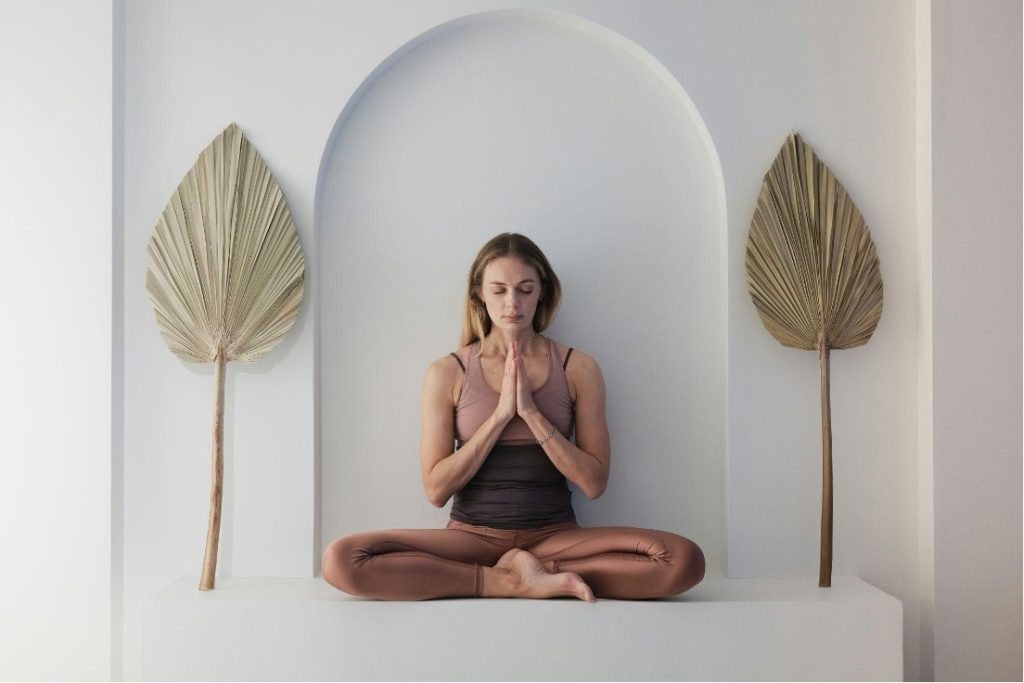
As we unravel the principles behind minimalist choices, the evidence reveals not only aesthetic allure but also tangible benefits in leading a healthier and more balanced life. From residential homes to public spaces, embracing simplicity can indeed be a powerful catalyst for personal growth and well-being. By prioritizing minimalism, we curate environments that foster tranquility and clarity, paving the way for an enriched life experience.
The Impact of Minimalist Design on Mental Health
In recent years, the relationship between our environments and mental health has garnered considerable attention. A growing body of research suggests that the design of our spaces significantly influences our emotional and psychological well-being. Minimalist design acts as a beacon of hope in the quest for tranquility by addressing this intricate connection. The simplicity found in these spaces can lead to profound mental health benefits, allowing individuals to thrive in a world that often feels chaotic.
Cultivating Peace Through Thoughtful Choices
One of the core tenets of minimalist design is the idea of intentionality. Every item within a minimalist space is carefully selected for its purpose and emotional resonance, which encourages individuals to form a deeper connection with their surroundings. This approach supports a peaceful living environment where unnecessary distractions are removed, allowing for increased clarity and serenity. In fact, studies indicate that environments rich in clutter can heighten feelings of stress and anxiety, whereas simplified spaces can lead to improved mood and cognitive function.
Some notable benefits of minimalist design on mental health include:
- Reduction of Stress: A clean, organized environment can lead to lower levels of cortisol, the body’s primary stress hormone.
- Enhanced Creativity: Fewer distractions enable sharper focus and greater creative thought, making minimalist spaces ideal for artists and thinkers alike.
- Improved Sleep Quality: Bedrooms designed with minimalism in mind foster calming atmospheres, making it easier to unwind and sleep well.
- Increased Sense of Control: Managing a simpler space can empower individuals, contributing to a greater sense of ownership over their lives and choices.
Natural Elements as a Complement
Integrating natural elements into minimalist design takes well-being a step further. Incorporating plants, natural light, and materials such as wood and stone can create an environment that nurtures not just the mind but also the body. The presence of greenery, for instance, has been linked to improved mood, reduced fatigue, and increased feelings of happiness. This biophilic approach reinforces the notion that minimalist spaces can serve as restorative retreats, community hubs, or even personal havens in which individuals can reconnect with nature and themselves.
As more people in the United States seek to create sanctuary-like retreats in their homes amidst the demanding challenges of daily life, the principles of minimalist design offer practical solutions. The intentional selection of furniture, colors, and decor not only enhances the aesthetic appeal of a space but also paves the way for a lifestyle steeped in well-being and tranquility.
Through an exploration of the effects of minimalist design on mental health, it becomes evident that simplicity serves as a powerful tool in our continuous pursuit of peace and clarity. By embracing a minimalist lifestyle, individuals can foster environments that inspire, rejuvenate, and ultimately transform their quality of life.
| Category | Key Features |
|---|---|
| Natural Light | Enhances mood and reduces stress, aligning with the principles of minimalist design. |
| Open Spaces | Promotes a sense of freedom, allowing for better mental clarity and focus. |
The essence of minimalist design lies in its ability to create environments that not only look appealing but also foster well-being and tranquility. By utilizing elements like natural light, spaces transform into calming retreats, drastically improving mood, which has been backed by various studies showing light’s impact on mental health. This aspect is crucial for those seeking refuge from the chaos of daily life.Another vital feature is the incorporation of open spaces. These areas facilitate a feeling of freedom, allowing individuals to move and breathe, enhancing their mental clarity and focus. Open layouts encourage mindfulness, as clutter is minimized, leading to a harmonious living experience. As we delve deeper into minimalist settings, the rich interplay between design and emotional wellness becomes apparent, inviting exploration into how simplicity can cultivate serenity in our lives.
The Role of Color and Texture in Minimalist Design
Color and texture play essential roles in shaping the ambiance of minimalist spaces, further enhancing their capacity to promote well-being and tranquility. While minimalist design leans towards understated aesthetics, the careful selection and application of colors and textures can evoke profound emotional responses, turning simple environments into inspiring sanctuaries.
The Psychology of Color
Colors wield an incredible psychological influence, affecting our emotions and behaviors. In minimalist design, subtle hues such as soft whites, muted grays, and pastel tones are commonly utilized to maintain a harmonious and calming atmosphere. According to color psychology, blue is often associated with tranquility and stability, making it a popular choice for bedrooms and meditation spaces. Similarly, earthy tones like greens and browns are known to provide a sense of grounding and connection to nature.
A recently published study from the American Psychological Association has shown that environments incorporating soothing colors can reduce feelings of anxiety and stress. By contrast, overly vibrant colors may incite feelings of agitation or distraction. As individuals seek solace in their living spaces, the application of a thoughtfully curated color palette can directly impact emotional well-being.
The Power of Texture
Texture in minimalist design adds depth and richness to spaces, essential for avoiding an overly sterile or dull environment. Integrating varied textures – such as soft textiles, smooth surfaces, and natural materials – enhances sensory experience while maintaining minimalism’s core principle of simplicity. For instance, a plush wool throw atop a sleek leather sofa can create an inviting contrast that invites relaxation without introducing visual clutter.
Research indicates that engaging with textured surfaces can enhance feelings of comfort and satisfaction. An exploration published in the journal Environmental Psychology revealed that environments with a variety of textures promote tactile experiences that can evoke positive emotional reactions. This highlights the potential for minimalism to still embrace sensory richness, as long as each texture serves a purpose within the curated space.
Functional Furniture and Open Spaces
Minimalist design champions functionality, allowing furniture to serve dual purposes while maintaining an open and airy environment. This choice supports a fluid layout that encourages movement and promotes a feeling of expansiveness. For instance, a multifunctional ottoman can provide both seating and storage, preserving the minimalist ethos while minimizing excess.
The concept of open spaces is particularly significant for promoting mental clarity. According to a study by the Environmental Design Research Association, open layouts can enhance collaboration and foster positive social interactions, making them ideal for both home offices and communal areas within homes. These carefully designed open spaces encourage individuals to engage with their surroundings, leading to increased creativity and mindfulness.
Furthermore, embracing minimalist design principles within shared environments, such as co-working spaces and community centers, allows individuals to experience greater social connectivity and support. With fewer distractions, these spaces can become environments where positive interactions flourish, driving well-being and personal growth.
Through a focus on color, texture, and functional furniture, minimalist design can serve as a powerful catalyst for tranquility and emotional well-being. The deliberate choices made in these spaces not only shape their aesthetic but also contribute to healthier, more fulfilling lifestyles. As such, they empower individuals to reclaim their environments and cultivate a sense of peace amid the bustle of everyday life.
Conclusion: Embracing Minimalism for a Harmonious Life
As we navigate the complexities of modern life, the significance of our living spaces has never been more pronounced. The principles of minimalist design offer a beacon of hope, allowing individuals to create environments that foster well-being and tranquility. By thoughtfully selecting colors, textures, and functional furniture, we can transform our surroundings into serene sanctuaries that encourage mental clarity and emotional balance.
Minimalist design is not merely about reducing clutter; it is a commitment to crafting experiences that nourish the mind and body. With soothing hues that encourage relaxation and textures that invite sensory interaction, these spaces evoke calmness and combat the stress of everyday life. Research supports that such thoughtfully designed environments can lead to reduced anxiety and enhanced productivity, making them essential for today’s fast-paced lifestyle.
Moreover, the open layouts associated with minimalism promote connectivity, collaboration, and creativity, essential elements for both personal growth and social engagement. As you consider how to spend time in your own space, remember that the principles of minimalist design can empower you to cultivate not only a visually appealing environment but also a nurturing one where peace and inspiration thrive.
In a world filled with distractions, minimalist design presents an opportunity to reclaim our living spaces, inviting us to focus on what truly matters. By embracing this lifestyle, we open the door to enriching experiences, fostering a profound sense of well-being and tranquility in our daily lives. As you explore these design principles, consider how small changes can lead to significant transformations, creating spaces that truly inspire.
Related posts:
The Importance of Prioritizing: How Minimalism Helps Focus on the Essential for a Effortless Life
The Art of Letting Go: How to Simplify Your Space and Your Life
The Art of Letting Go: How Minimalism Can Ease Daily Life
Mindfulness and Minimalism: The Connection between Simplification and Well-Being
Digital Organization: Strategies for an Uncomplicated Virtual Space
Uncomplicating Relationships: How Minimalism Can Improve Your Social Circle

Linda Carter is a writer and organization expert specializing in minimalism and personal organization. With extensive experience helping individuals create clutter-free, functional spaces and adopt mindful habits, Linda shares her knowledge on our platform. Her goal is to empower readers with practical advice and strategies to simplify their lives, stay organized, and achieve a sense of calm and balance in their daily routines.