Space Efficiency in Tiny Homes: Navigating Limited Square Footage
The Tiny Home Revolution
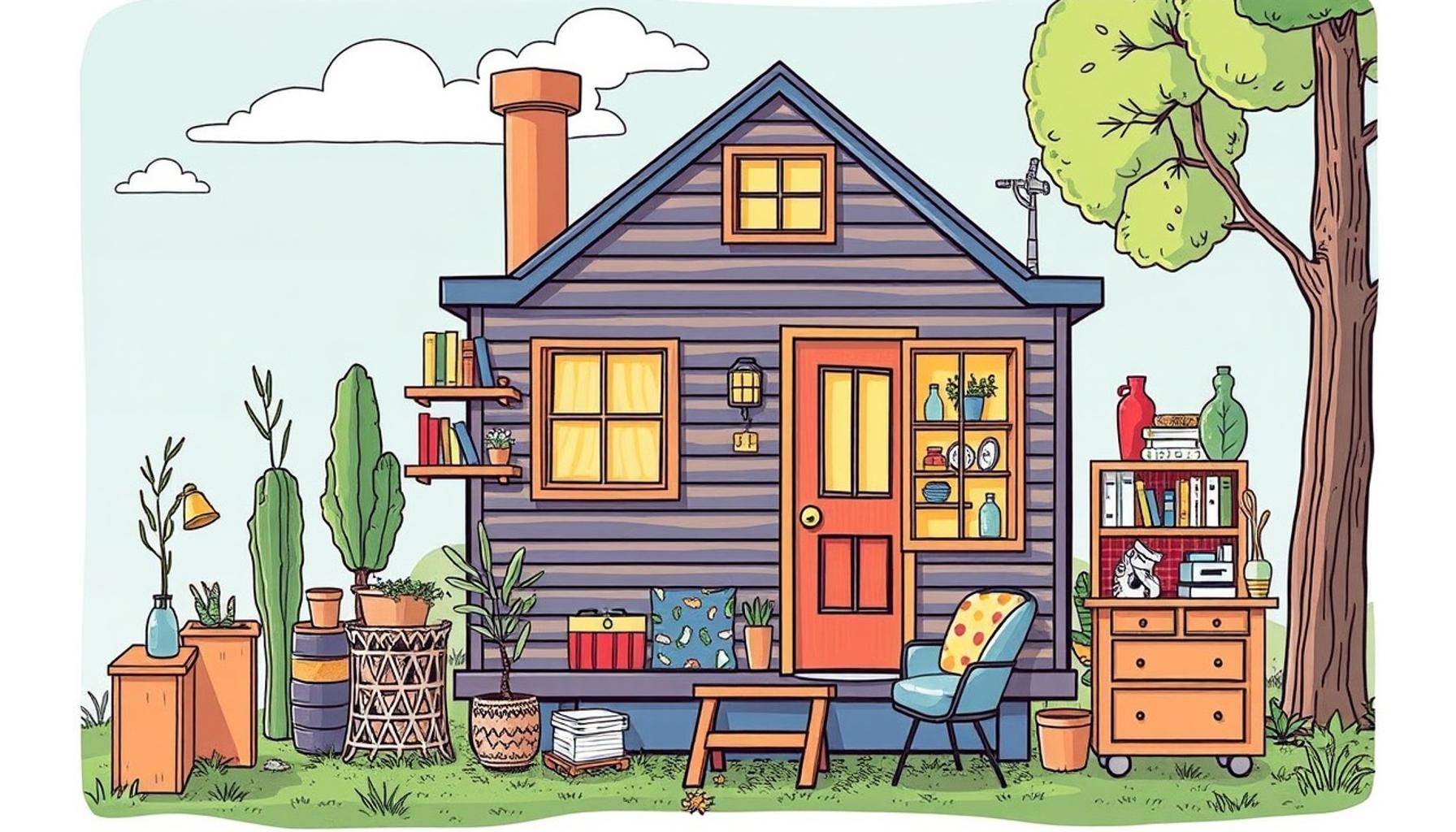
In an era where the desire for minimalism and sustainability is at an all-time high, tiny homes represent a compelling solution for modern living. These compact dwellings, often under 400 square feet, encourage occupants to redefine the way they view space, comfort, and community. Living in a tiny home can lead to significant lifestyle changes, from decluttering possessions to focusing on experiences over material goods.
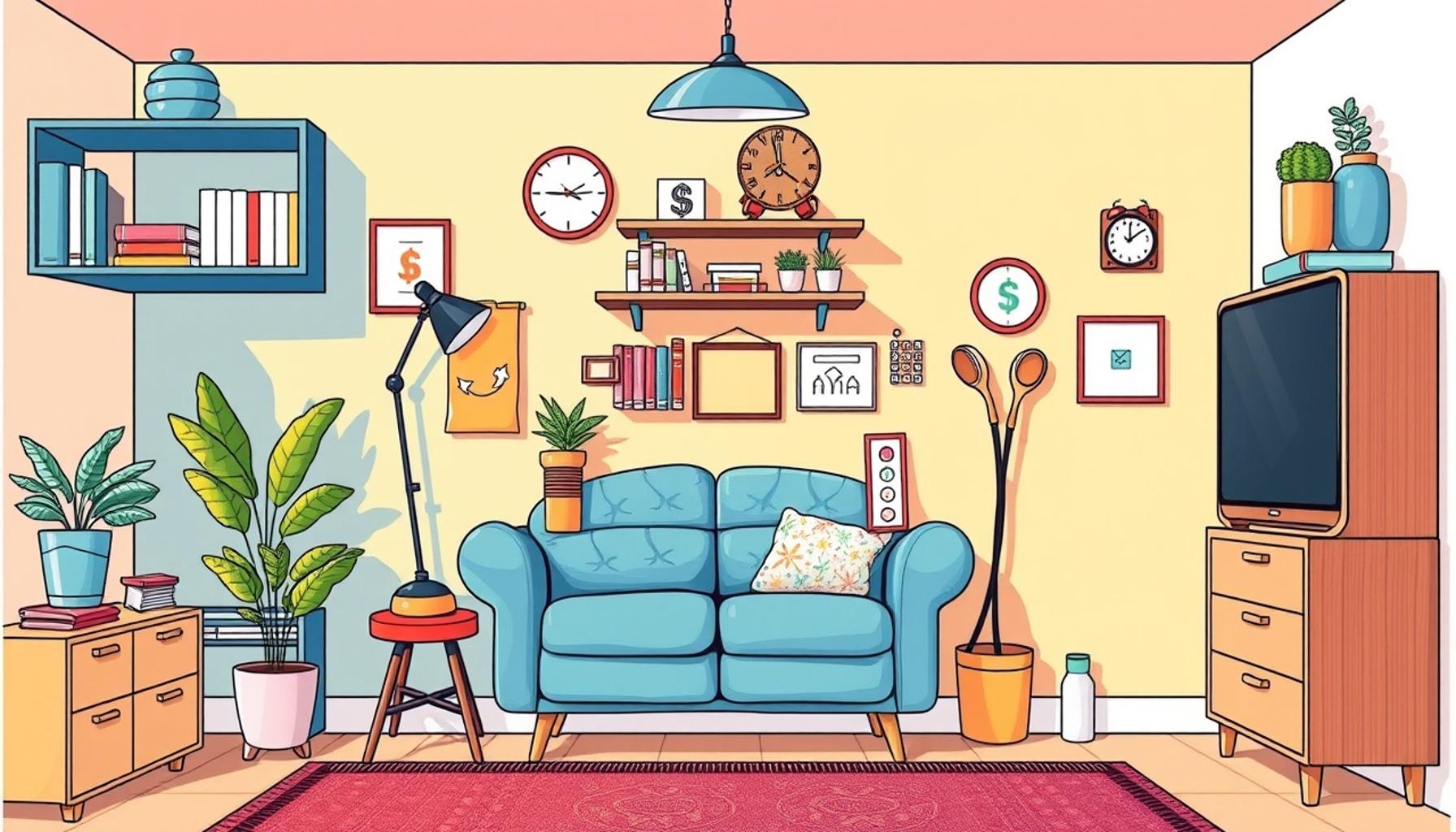
Space efficiency transcends mere square footage; it encompasses a creative approach to utilizing every bit of available area. To visualize this, consider the following elements that play a crucial role in the design of tiny homes:
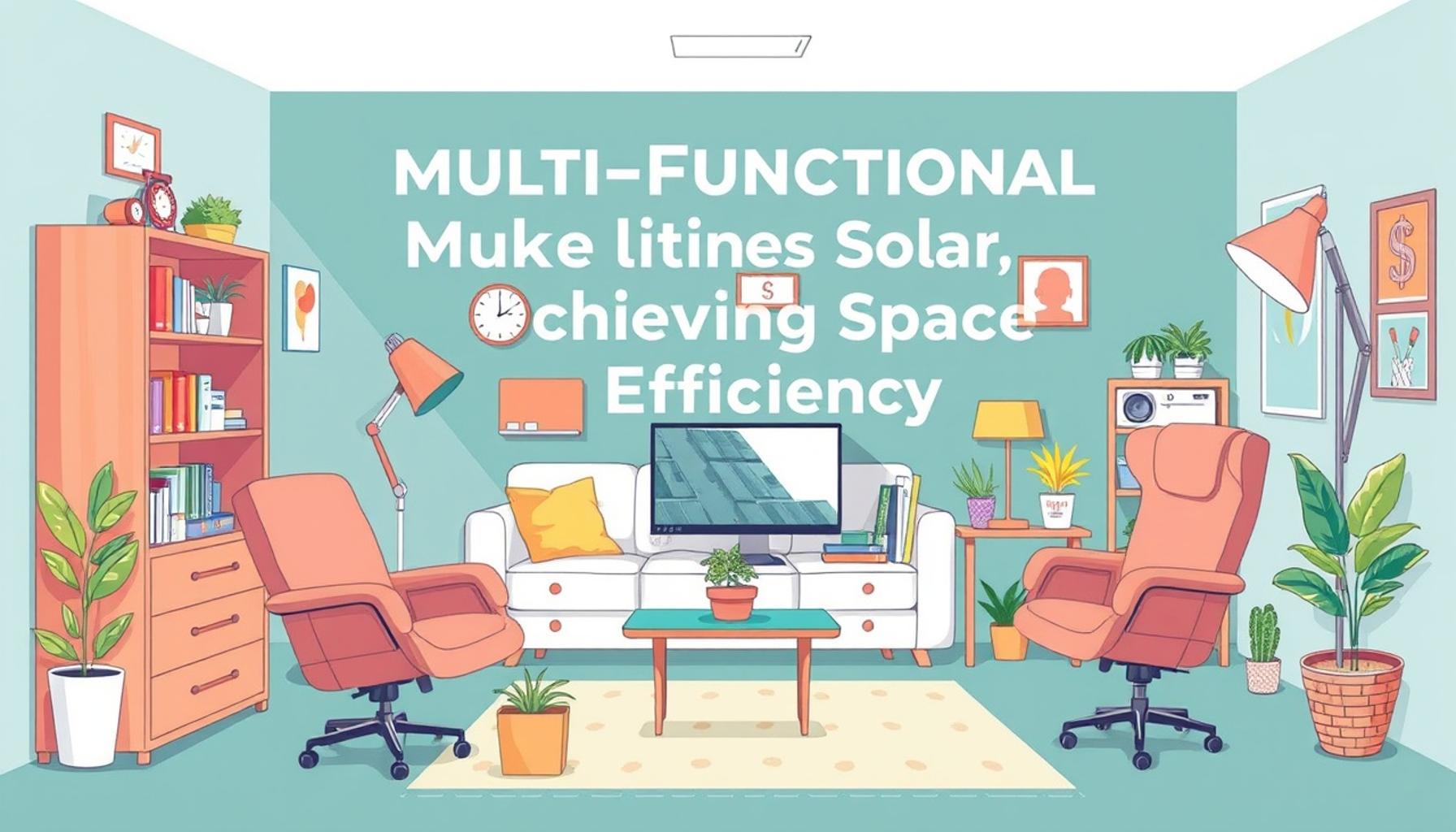
- Multi-functional furniture: Many tiny homes utilize furniture that serves multiple purposes. Examples include sofas that can transform into beds, coffee tables that expand into dining tables, or ottomans that double as storage bins. This flexibility allows homeowners to adapt their living spaces to various needs without acquiring numerous separate items.
- Vertical storage: With limited floor space, vertical storage becomes critical. Wall-mounted shelves, pegboards, and hooks can be installed to keep items organized and accessible without occupying valuable ground space. For instance, a bike can be hung on the wall, freeing up floor space while also serving as a decorative element.
- Open floor plans: Tiny homes frequently feature open layouts that enhance the feeling of spaciousness. An open floor plan can promote better flow between areas, allowing natural light to permeate the space and creating an airy atmosphere. This design choice helps to visually expand the home and enhances its functionality.
Moreover, tiny homes increasingly integrate smart technology, offering a range of features that enhance usability and efficiency. From solar panels to energy-efficient appliances, these innovations not only reduce the environmental footprint but also cut down on utility costs. For example, smart thermostats can learn a homeowner’s habits and optimize energy use accordingly, leading to substantial savings over time.
Exploring the intricate designs and creative ideas within tiny homes reveals a unique intersection between architecture and lifestyle. Homeowners often adopt ingenious strategies such as modular components, which can be easily reconfigured as needs change, or use of built-in furniture that maximizes space without sacrificing aesthetics.
By examining these strategies for efficiently navigating limited square footage, readers can gain practical insights that can inspire their own living spaces. As tiny home living continues to gain traction across the United States, it stands as a testament to innovative design and the potential for a more sustainable, minimalist lifestyle.
Creative Solutions for Maximizing Space
When it comes to space efficiency in tiny homes, creativity reigns supreme. Tiny home enthusiasts are challenged to rethink traditional design principles and adopt innovative approaches that make the most of every inch. This shift often requires an exploration of both design and functionality, pushing homeowners to consider how they can seamlessly integrate essential elements into what might initially seem like cramped quarters.
One of the standout features of tiny home design is the use of multi-functional areas. Instead of confining activities to separate rooms, designers prioritize a fluid arrangement where spaces serve dual purposes. For instance, a dining area may double as a workspace, equipped with a foldable table that can be tucked away when not in use. These transformations not only enhance the usability of a home but also create an adaptable atmosphere, accommodating various daily tasks from entertaining guests to working from home.
Additionally, the integration of hidden storage solutions is essential in overcoming spatial limitations. Homeowners often employ creative storage ideas that capitalize on underutilized areas. Notable examples include:
- Under-Stair Storage: The space beneath stairs can be transformed into drawers, cabinets, or shelving units, providing valuable storage without disrupting the flow of the home.
- Beneath-Furniture Storage: Many tiny home furniture designs enable storage underneath couches, beds, and benches, easily hiding away seasonal items or less frequently used belongings.
- Wall-Integrated Compartments: Custom-built wall niches and cubbies serve as excellent spots for displaying cherished items while minimizing clutter on surfaces.
Furthermore, when selecting materials and furnishings, homeowners are increasingly opting for lightweight and sustainable options. Eco-friendly materials such as bamboo, reclaimed wood, and recycled metals not only contribute to a reduced carbon footprint but can also help keep the overall weight of the home low. Lighter finishes and color palettes can create an illusion of more space, making interiors feel open and welcoming.
Tiny home builders are also turning towards modular designs, which allow for flexibility and ease of reconfiguration. This adaptability means homeowners can alter the layout of their spaces as their needs evolve, without the hassle of extensive renovations. The trend towards prefabricated units has gained momentum, allowing individuals to choose components that suit their lifestyle while maintaining a cohesive aesthetic.
As we delve deeper into the world of space efficiency in tiny homes, it becomes clear that the principles at play not only make living in smaller areas feasible but also enjoyable. By embracing innovative ideas and practical solutions, tiny home dwellers can create functional havens that reflect their values, all while navigating the challenges of limited square footage.
| Advantages | Details |
|---|---|
| Maximized Storage Solutions | Utilizing under-bed storage and multi-function furniture enhances space efficiency. |
| Reduced Energy Costs | Smaller spaces consume less energy for heating and cooling, promoting sustainability. |
| Personalized Space Design | Designing tiny homes allows owners to implement creative layouts that reflect their lifestyles. |
| Enhanced Community Living | Living in tiny homes often leads to stronger communal ties and shared resources. |
Creating space-efficient layouts in tiny homes is not just about fitting what you need into a small area; it’s also about transforming your living experience. For example, incorporating built-in shelving in the walls can provide essential storage without compromising on floor space. Additionally, choosing modular furniture that can adapt to various activities can really make the most of limited square footage. Not only do these homes emphasize coziness and aesthetic appeal, but they significantly lower maintenance costs, allowing residents to focus on experiences rather than possessions. Furthermore, with the growing interest in tiny home communities, individuals can foster deeper relationships, focusing on shared values and sustainability. Each innovative solution for space efficiency opens up discussions on lifestyle changes that can improve both practical living and personal satisfaction.
Innovative Design Concepts that Enhance Functionality
In the realm of space efficiency in tiny homes, the significance of innovative design cannot be overstated. As homeowners embrace this lifestyle, they increasingly invest in features and layouts that challenge the conventional norms of home design. One striking concept that has gained traction is the use of lofted sleeping areas. By placing the bedroom in a loft, homeowners can free up valuable floor space that can be utilized for other purposes, such as a living area or office. This vertical approach not only maximizes the square footage but also adds an open-air feel to the common living areas below.
Moreover, the growing popularity of Murphy beds illustrates another clever use of space. These foldable beds can be concealed vertically into a wall or cabinet, transforming a bedroom into a multifunctional space during the day. This versatility caters well to urban living, where real estate is often at a premium. As tiny home dwellers seek to optimize their interiors, options such as custom-built Murphy beds that integrate shelving or desks have become increasingly sought after, further exemplifying how thoughtful design can lead to a more livable space.
To complement these innovative furniture solutions, the incorporation of modular furniture systems proves invaluable. Designers are creating pieces that can be reconfigured to serve multiple functions. For instance, a bench may double as a dining area seat, storage unit, and even guest sleeping space. Such flexibility is particularly appealing in tiny homes where floor space must be diligently managed. Choosing furniture with wheels or foldable components allows homeowners to easily adapt their living environment according to their immediate needs, whether hosting guests or having a quiet evening at home.
Another strategic emphasis in modern tiny home design is on transitional spaces. Hallways and corridors, often overlooked in traditional homes, become vital in tiny homes where they facilitate movement between different functional areas without encroaching on the overall living space. Architects are increasingly focusing on wider openings and sliding doors, allowing for a seamless flow throughout the home while enhancing accessibility and natural light.
Additionally, adopting a minimalist aesthetic is crucial in reducing visual clutter and fostering a sense of tranquility. By sticking to a monochromatic color scheme and limiting decorative elements, tiny homeowners can create a harmonious atmosphere that feels more expansive. Incorporating large mirrors strategically can also amplify natural light and give the illusion of a larger space, making it an effective design trick in any tiny dwelling.
The growing trend of smart home technology further supports space efficiency in tiny homes. Smart devices allow homeowners to remotely control lighting, heating, and even appliances, freeing up physical space previously occupied by traditional switches and bulky devices. Moreover, the integration of home automation systems simplifies everyday tasks, providing a more comfortable living environment without requiring additional physical resources.
As tiny home builders and buyers become increasingly attuned to the nuances of optimizing their limited square footage, these innovative concepts exemplify how imagination and practical choices can pave the way for functional, stylish, and efficient living. By embracing these cutting-edge ideas, tiny home dwellers not only navigate the challenges of their space but also thrive within it, creating a unique harmony between their needs and aspirations.
Finding Balance in Compact Living
As the tiny home movement continues to captivate the imagination of many Americans, the need for space efficiency in homes has never been more critical. It is evident that thoughtful design elements, such as lofted sleeping areas, Murphy beds, and modular furniture systems, play integral roles in redefining our conception of space. These innovations not only promote functionality but also enhance the aesthetic appeal of tiny living, allowing homeowners to maximize their limited square footage.
The cunning use of transitional spaces and the embrace of a minimalist aesthetic further amplify the feeling of openness and tranquility, making even the coziest quarters feel surprisingly large. As technology progresses, the integration of smart home solutions introduces an additional layer of convenience, merging modern comforts with practical spatial considerations.
In essence, navigating the challenges of living in tiny homes requires more than just clever solutions; it demands creativity and a willingness to embrace a lifestyle that transcends mere physical constraints. As potential homeowners explore this unique lifestyle, they must also consider the emotional and psychological benefits of a simplified existence. By combining innovation, adaptability, and a focus on personal needs, tiny home dwellers can create not just residences, but sanctuaries that resonate with their dreams and aspirations.
The future of tiny homes holds promise for those seeking a harmonious balance between efficiency and comfort. With each evolving trend in space efficiency, the journey toward crafting the perfect little haven becomes an exciting adventure in redefining what home truly means.
Related posts:
Maximizing Space: Storage Strategies for Small Environments
Embracing Vertical Space: Strategies for Efficient Minimalist Living
Creating a Minimalist Workspace: Space Efficiency for Enhanced Productivity
Connected Spaces: Integrating Technology and Design to Enhance Spatial Efficiency in Minimalist Envi...
Multifunctional Furniture: The Key to Spatial Efficiency in Minimalist Homes
Seasonal Minimalism: Adapting Your Space Efficiency Strategies Throughout the Year

Linda Carter is a writer and organization expert specializing in minimalism and personal organization. With extensive experience helping individuals create clutter-free, functional spaces and adopt mindful habits, Linda shares her knowledge on our platform. Her goal is to empower readers with practical advice and strategies to simplify their lives, stay organized, and achieve a sense of calm and balance in their daily routines.