Minimalism in the Kitchen: Recipes and Strategies for Simple and Healthy Eating
Discovering the Benefits of a Minimalist Kitchen
In today’s fast-paced world, simplicity can feel like a luxury, especially when it comes to our kitchens. A move towards minimalism in the kitchen not only cultivates a peaceful atmosphere but also enhances our cooking experience. As we eliminate unnecessary items and focus on the essentials, we can channel our energy into preparing healthy and delicious meals, making the cooking process more enjoyable and efficient.
One of the most rewarding outcomes of adopting a minimalist approach is the opportunity to enhance creativity in meal preparation. With fewer distractions from excessive cookware and ingredients, you are encouraged to experiment with different cooking techniques and flavor combinations. For instance, instead of relying on a multitude of spices and sauces, you might find joy in perfecting the art of using just three core ingredients—olive oil, garlic, and lemon juice—to create delectable dishes that burst with flavor.
Emphasizing simplicity also plays a crucial role in reducing food waste. By focusing only on what you need and utilizing ingredients efficiently, you can minimize leftovers and avoid unnecessary spoilage. A well-organized pantry filled with essential items—such as grains, legumes, and fresh produce—allows you to plan meals more effectively. This strategy not only fosters sustainability but also helps you to repurpose ingredients creatively. For example, leftover roasted vegetables can easily become a vibrant frittata, allowing you to reinvent meals from what might otherwise go to waste.
Making the Most of Simple Nutrition
Alongside reducing waste, embracing a minimalist kitchen can also maximize nutritional value. Simple meals prepare the way for nutrient-dense foods to shine. By focusing on whole foods—like fresh fruits, vegetables, lean proteins, and whole grains—you can create healthy dishes that are not only satisfying but also nourishing. Consider a basic grain bowl featuring brown rice topped with steamed broccoli, grilled chicken, and a sprinkle of sesame seeds. This uncomplicated yet wholesome dish provides essential nutrients while being easy to prepare.
Implementing a minimalist mindset involves rethinking your approach to your kitchen tools and processes. For example, you can streamline your pantry by curating a collection of fundamental ingredients that can be used across various recipes. Additionally, investing in versatile kitchen tools like a high-quality chef’s knife or a combination blender can save you both space and time in meal preparation.
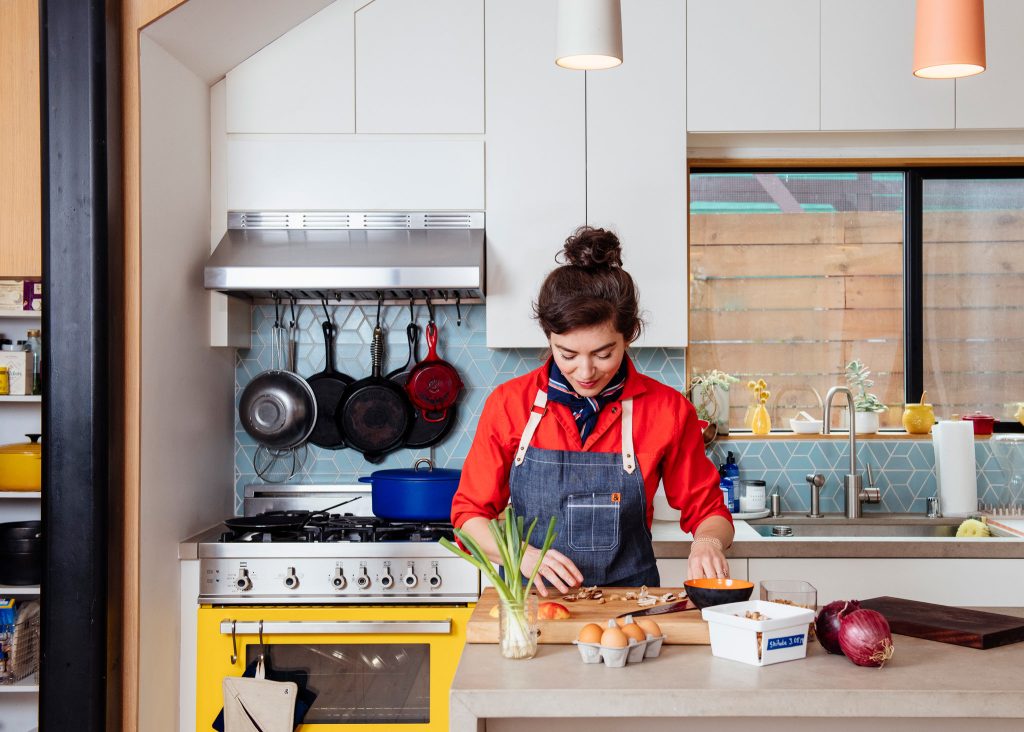
- Streamline your pantry by keeping only items that you regularly use and that contribute to a variety of meals.
- Invest in versatile kitchen tools such as a multi-cooker that can prepare rice, steam vegetables, or even function as a slow cooker, reducing the need for multiple appliances.
- Plan meals that focus on using the same core ingredients—allowing you to create diverse dishes while minimizing grocery trips.
As you delve into this guide, prepare to transform your kitchen into a haven of serenity, simplicity, and healthy eating. With straightforward recipes and practical strategies, you will discover that cooking can become not just a routine but a rewarding experience that brings joy and nourishment to your home.
Embracing Minimalist Meal Prep
When it comes to minimalism in the kitchen, the key to healthy eating lies in simple meal preparation. Rather than spending hours sifting through an overstuffed pantry, consider a strategic approach that revolves around clean, uncomplicated recipes. This not only maximizes your efficiency but also transforms the act of cooking into a joyful engagement rather than merely a chore.
A great starting point is adopting the concept of batch cooking. By preparing larger portions of versatile dishes, you have the freedom to mix and match components throughout the week. For example, cooking a large batch of quinoa at the beginning of the week provides a nutritious base that can be paired with different toppings, proteins, and dressings. This flexibility allows for culinary creativity without the clutter of multiple ingredients bogging you down.
Simple recipes that require minimal steps can also contribute significantly to a tranquil cooking experience. Focus on a select few meals that highlight the vibrant flavors of whole, fresh ingredients. For instance, a one-pan sheet meal with roasted seasonal vegetables and salmon not only offers flavor but also promotes an effortless cleanup. Moreover, such recipes are often packed with vitamins and minerals, reinforcing your commitment to healthy eating.
Utilizing a Core Ingredient List
Implementing a minimalist approach in your kitchen can also involve a conscious effort to curate a core ingredient list that supports your meal planning. Think of this list as the heart of your cooking—items that are nutritious, versatile, and can be integrated into a variety of dishes:
- Whole grains: Options like quinoa, brown rice, or farro are excellent staples that provide lasting energy and nutrients.
- Legumes: Canned beans or dried lentils serve as a great source of protein and fiber, easy to incorporate into salads or soups.
- Seasonal vegetables: Incorporating fresh, in-season produce not only enhances flavor but also supports local farmers and reduces your environmental footprint.
- Lean proteins: Chicken breast, tofu, or fish can offer essential nutrients while being simple to prepare in varying ways.
- Healthy fats: Include items such as avocados, nuts, or olive oil to add flavor and richness to your meals.
After choosing your core ingredients, the world of cooking opens up. Simple adjustments in flavors or cooking methods can keep meals exciting. For example, try different marinades for proteins or a variety of herbs to enliven your vegetable dishes. Additionally, incorporating a few homemade dressings or sauces can elevate meals, allowing you to eschew store-bought options filled with preservatives.
By grounding your cooking in minimalist principles, you free yourself from the clutter—both physically and mentally. Your kitchen transforms into a space of creativity and nourishment, where every meal becomes an opportunity to celebrate simplicity without sacrificing flavor or health. As you explore the recipes and strategies introduced in this guide, you may find that cooking becomes not just a necessity but a fulfilling expression of your lifestyle.
Exploring Minimalist Kitchen Strategies
In today’s fast-paced world, adopting a minimalistic approach in your kitchen can transform not only how you cook but also how you eat. By simplifying your cooking space, you can focus on the essence of healthy eating without the clutter that often leads to overwhelm. At its core, minimalism in the kitchen promotes efficient meal prep and encourages the use of whole, natural ingredients. One essential strategy is to streamline your kitchen tools. A few versatile tools—a high-quality chef’s knife, a cutting board, and a set of mixing bowls—can replace an array of gadgets. This not only saves space but also minimizes the time you spend searching for equipment, allowing more time to concentrate on creating nutritious meals. Additionally, adopting a seasonal, plant-based diet is aligned with minimalist principles. By focusing on what is fresh and in-season, you can achieve a more sustainable and healthy lifestyle. When you simplify your pantry and prioritize whole foods, like grains, legumes, fruits, and vegetables, you’ll find the process of cooking becomes both effortless and enjoyable. These strategies encourage a shift towards mindful eating, allowing you to appreciate flavors and textures without distractions. The more you engage with minimalism, the more likely you are to uncover exciting culinary possibilities within the limitations of simplicity.
Streamlining Your Kitchen Tools and Equipment
A minimalist kitchen doesn’t just revolve around simplified recipes; it also emphasizes the importance of smart, functional tools and equipment. The right kitchen gadgets can inspire a more enjoyable cooking experience while reducing clutter and confusion. Consider re-evaluating your selection of kitchenware and focusing on a few versatile tools that can handle multiple tasks instead of relying on bulky appliances that often remain unused.
For instance, a good chef’s knife is an indispensable tool that can be utilized for chopping, slicing, and dicing vegetables, fruits, and meats. Investing in a quality cutting board made of sturdy materials, like bamboo or hardwood, enhances the longevity of your knife and provides a reliable workspace. Meanwhile, a set of nesting glass or stainless steel bowls can serve various purposes, from meal prep to mixing salads or even serving dishes.
Another key essential is a multitasking pan, such as a cast-iron skillet or a non-stick frying pan, which can effortlessly transition from stovetop to oven. This eliminates the need for excessive cookware and streamlines your cooking and cleaning process. Even a slow cooker or an Instant Pot can simplify meal prep with delicious results, allowing you to “set it and forget it,” making them ideal for busy lifestyles.
Organizing Your Space for Efficiency
Once you have the right tools, the next step is organizing your space for maximum efficiency. A minimalist kitchen thrives on visual clarity and easy access to frequently used items. Start by categorizing your ingredients, tools, and appliances. Clear out anything that you haven’t used in the past year—this not only opens up your space but also helps you identify any duplicates or unnecessary items.
- Cabinet organization: Use clear containers or labeled jars to store grains, legumes, and spices. This serves not only to visually declutter but also allows for quick identification when grabbing ingredients while cooking.
- Countertop space: Minimize clutter on your countertop by only displaying essential items such as a knife block, a fruit bowl, and a few frequently used spices. This creates a calm cooking environment, allowing your creativity to flow.
- Drawing inspiration: Hang a simple pegboard on your wall to keep utensils visible and organized, allowing easy access while keeping surfaces clear.
Creating zones in your kitchen can also enhance efficiency. For example, having a dedicated prep area for chopping and measuring, a cooking zone for stovetop action, and a serving area can streamline your cooking process. As you navigate through your minimalist kitchen, focus on regular maintenance to keep surfaces tidy and tools organized.
By reducing the complexity in terms of tools and organization, you can cultivate a sense of peace and enjoyment in your cooking endeavors. This shift not only leads to healthier meal choices but also transforms your kitchen into a sanctuary that fosters creativity, sparking new culinary adventures in your journey towards simple and healthy eating.
Wrapping Up Your Minimalist Kitchen Journey
In a world often dictated by the chaos of excess, minimalism in the kitchen serves as a refreshing remedy, inviting us back to the essentials of simple and healthy eating. By adopting streamlined strategies and carefully curating our kitchen tools, we can elevate not only our culinary skills but also our overall well-being. The practice of minimalism extends beyond merely decluttering; it fosters a deep appreciation for quality over quantity, allowing us to savor the cooking process.
As you embrace the minimalist kitchen lifestyle, consider how it influences your approach to meal preparation, ingredient selection, and even your relationship with food. Simple recipes that prioritize whole ingredients can not only nourish our bodies but also promote mindful eating practices. Keep in mind the benefits of organization—an uncluttered space can inspire creativity and confidence in the kitchen, paving the way for countless culinary explorations.
Ultimately, the journey towards a minimalist kitchen is not just about reducing clutter; it encapsulates a commitment to intentional living. By refining your tools and creating a functional space, you arm yourself with flexibility and ease in the kitchen. This empowering approach opens doors to healthier choices and encourages innovative, delicious meals that resonate with your lifestyle. So, as you venture into your culinary escapades, remember: less truly can be more, particularly when it comes to nurturing your body and soul.
Related posts:
The Importance of Prioritizing: How Minimalism Helps Focus on the Essential for a Effortless Life
Minimalism and Sustainability: How to Live Simply and Ecologically
Creating Simple Routines: The Role of Organization in an Effortless Life
Mindfulness and Minimalism: The Connection between Simplification and Well-Being
The Essence of Less is More: How Minimalism Can Transform Your Personal and Professional Life
Minimalist Routines: Creating Habits that Simplify Daily Life

Linda Carter is a writer and organization expert specializing in minimalism and personal organization. With extensive experience helping individuals create clutter-free, functional spaces and adopt mindful habits, Linda shares her knowledge on our platform. Her goal is to empower readers with practical advice and strategies to simplify their lives, stay organized, and achieve a sense of calm and balance in their daily routines.