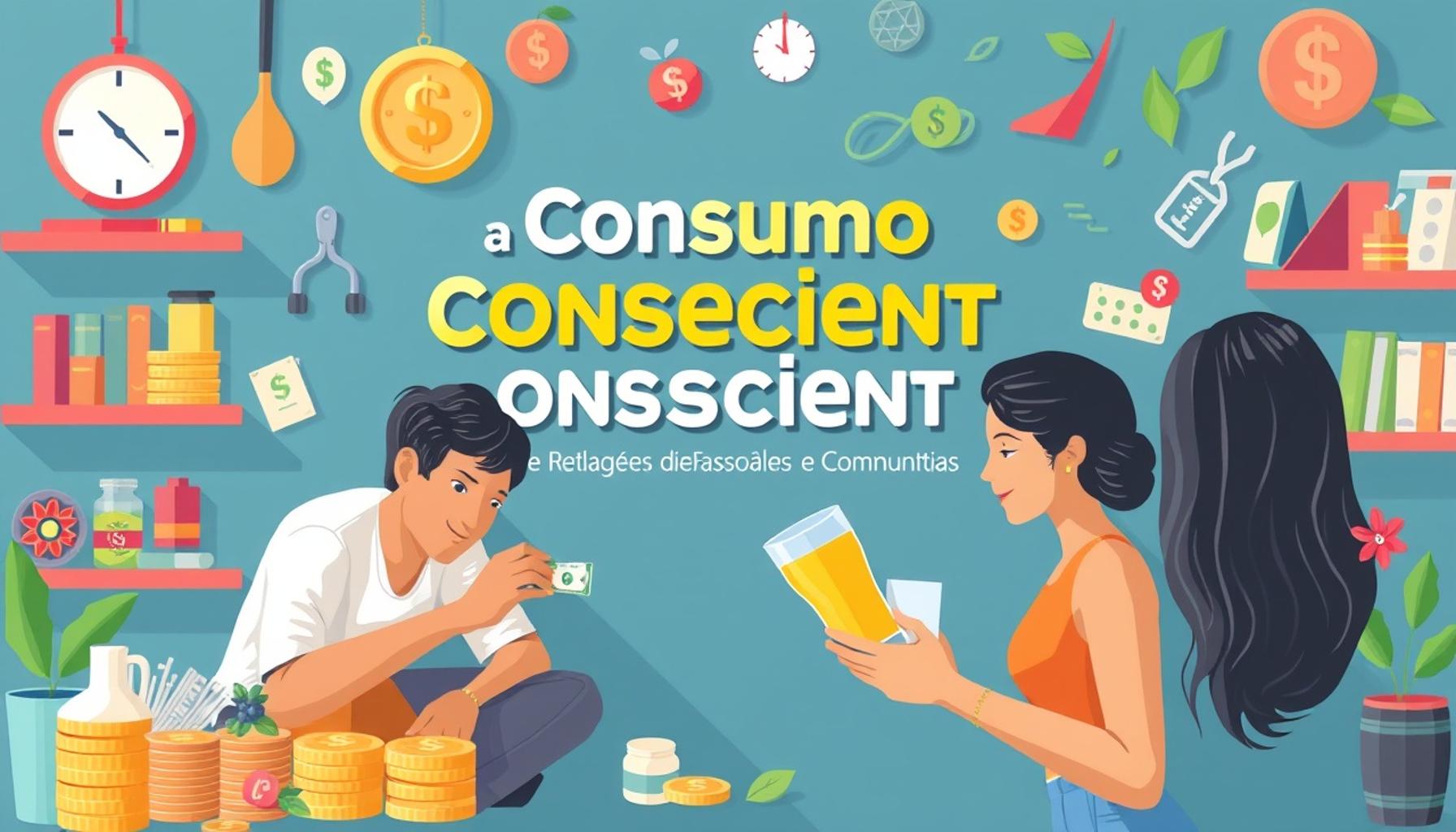
Mindful Consumption and Mental Health: How Less Can Be More

Exploring the Impact of Consumption Patterns on Mental Health
As consumers, we are inundated with choices—from the clothes we wear to the media we consume. Often, this plethora of options can lead to feelings of overwhelm and dissatisfaction. Mindful consumption emerges as a powerful antidote to this modern malaise, encouraging individuals to step back and assess their relationship with material goods and experiences. In our quest for fulfillment, the question becomes: can embracing simplicity lead to a more enriching life?
Mindful consumption is not merely about cutting down on spending; it’s a holistic approach to living that promotes intentional choices. This practice encourages individuals to:
- Evaluate what they truly need: Many find themselves purchasing items out of habit or societal pressure rather than necessity. By distinguishing between wants and needs, individuals can make more intentional decisions about their purchases.
- Reduce material excess: Decluttering and minimizing possessions can create a physically and mentally lighter environment. Research indicates that physical clutter can contribute to increased stress and anxiety levels.
- Focus on experiences rather than possessions: In a culture that often equates happiness with material wealth, studies suggest that investing in experiences—such as travel, learning, or shared activities—can yield higher long-term satisfaction and joy.
These principles are not merely theoretical; numerous studies support the notion that minimalism and intentional living can lead to real improvements in mental health and well-being. For instance, research has shown that individuals who embrace a minimalist lifestyle report:
- Lower anxiety levels: Less clutter and fewer distractions can result in a calmer mind, reducing stress and anxiety.
- Increased satisfaction with life: A focus on meaningful possessions and experiences often leads to greater happiness and fulfillment.
- Enhanced emotional resilience: Simplifying choices and reducing material dependencies can foster coping strategies that make individuals more adaptable to life’s challenges.
In the contemporary landscape of the United States, where stress and mental health issues are on the rise, adopting a mindful consumption philosophy could offer a pathway to improved mental well-being. Psychologists point to the notion that consumer culture often drives dissatisfaction, leading to an endless cycle of desire and disappointment. Simplifying choices and being more selective about what we bring into our lives can counteract this cycle, allowing for a deeper connection to what truly matters.
This shift toward a mindful approach invites individuals to reassess their priorities, creating space for deeper relationships and more meaningful experiences. By recognizing the intrinsic value found in quality over quantity, we may not only reshape our consumption habits but also nurture a more peaceful and fulfilling existence.
The Psychology Behind Mindful Consumption
As the pace of modern life accelerates, the relationship between consumption patterns and mental health has garnered increasing attention from psychologists and researchers alike. While it may seem counterintuitive, embracing a lifestyle centered around mindful consumption can yield significant benefits for one’s mental well-being. Understanding the intersection of consumption and psychology reveals how the act of purchasing influences emotional states and overall quality of life.
When individuals engage in habitual buying, the immediate gratification can be misleading. Many describe the transient joy derived from a shopping spree, but this can quickly dissipate, leading to feelings of guilt or regret. In fact, studies indicate that materialistic pursuits often correlate with higher levels of anxiety and depression. Consequently, taking a step back to evaluate our consumption habits can prove vital for mental health.
The Benefits of Mindful Consumption
Integrating mindfulness into consumption involves a deeper awareness of our habits. This approach fosters a sense of clarity around our motivations for buying, helping individuals to identify whether their choices stem from genuine needs or fleeting desires. Here are several key benefits associated with mindful consumption:
- Heightened Self-Awareness: Practicing mindfulness encourages individuals to engage in self-reflection, cultivating an understanding of their values and priorities. This self-awareness can lead to more fulfilling life choices.
- Improved Focus: Reducing the number of decisions related to consumerism allows individuals to devote more energy to what truly matters, such as relationships or personal development.
- Stronger Emotional Well-Being: By focusing on experiences rather than possessions, individuals can foster a healthier relationship with themselves and their surroundings, ultimately leading to improved happiness.
The cognitive shift towards mindful consumption does not require drastic changes overnight. Instead, simple adjustments can gradually reshape perspectives. For example, practicing gratitude for what one already owns can mitigate the urge to acquire more. Engaging in community exchanges, such as swap meets or take-back programs, can also enhance connections and decrease reliance on new products.
Additionally, research underscores the idea that spending on experiences rather than things often leads to greater long-term satisfaction. Psychological studies suggest that experiences generate lasting memories, deepening our connections with others and furnishing us with stories to share. Embracing activities, from adventure trips to cooking classes, encourages individuals to redirect their focus away from material wealth and toward enriching life experiences.
Ultimately, the practice of mindful consumption is more than a trend; it’s a transformative approach to life that promotes emotional resilience and a healthier state of mind. By critically analyzing our consumption habits, we uncover the potential for generating positive mental health outcomes and forging a path toward a more meaningful existence.
| Advantage | Impact on Mental Health |
|---|---|
| Reduced Clutter | Minimizing possessions can lead to a clearer mind and an increased sense of peace. |
| Intentional Spending | Focusing on quality rather than quantity promotes satisfaction and decreases anxiety related to consumer culture. |
| Increased Awareness | Mindful consumption encourages reflection on needs versus wants, leading to better decision-making. |
| Improved Emotional Well-being | Engaging in mindful practices fosters a positive mindset and reduces stress. |
In today’s fast-paced world, mindful consumption emerges as not just a trend but a crucial approach to enhancing our mental health. By embracing the philosophy of “less can be more,” individuals can combat the overwhelm that accompanies consumerism. This shift not only aids in reducing physical clutter but also fosters a significant emotional transformation. A deeper understanding of possessions can shift how we perceive happiness. Individuals who consciously decide to invest in fewer but more meaningful items often report heightened satisfaction levels and a notable decrease in anxiety. The essence of mindful consumption lies in its ability to empower individuals, turning the act of purchasing into a mindful practice. This transition can rejuvenate personal well-being, create space for reflection, and promote a healthier mindset. With these introductions, the opportunity to delve deeper into the practices and philosophies that cultivate mindfulness is both exciting and necessary for anyone looking to enhance their quality of life.
Practical Strategies for Mindful Consumption
Transitioning towards mindful consumption is not merely an abstract concept; it involves implementing tangible strategies in daily life. As consumers, especially in a culture that often promotes more as better, finding ways to adopt a less-is-more mentality can feel daunting. However, there are various practical steps one can take to cultivate this mindset, which can lead to significant improvements in both mental health and emotional satisfaction.
Embrace Minimalism
Minimalism, a lifestyle choice that has gained traction in recent years, encourages individuals to declutter both physical and mental space. Living with fewer possessions not only minimizes distractions but also aligns closely with the principles of mindful consumption. Research has shown that those who adopt minimalism report reduced anxiety and a greater sense of peace in their lives. By gradually eliminating excess belongings and focusing on quality over quantity, individuals can create environments that are more conducive to mental clarity and emotional tranquility.
Set Consumption Intentions
Mindful consumption begins before purchasing an item. Setting clear intentions can help horse the motivation behind decisions. Ask yourself critical questions: Is this purchase necessary? Does it align with my values? This practice encourages thoughtful reflection and can be especially effective in curbing impulse purchases that lead to buyer’s remorse. According to a study by the American Psychological Association, intention-driven purchases lead to higher satisfaction rates, as they often fulfill deeper emotional or practical needs.
Mindful Eating and Sustainable Consumption
The principles of mindful consumption extend seamlessly to dietary habits as well. Mindful eating emphasizes the importance of savoring food, understanding its origins, and being conscious of portion sizes. Research links mindful eating to improved dietary choices and a healthier relationship with food, reducing emotional eating and associated guilt. By consciously selecting locally-sourced, seasonal produce or opting for sustainable brands, consumers can also reduce their environmental impact while improving their mental health.
Utilize Technology for Good
In an age dominated by technology, utilizing apps and platforms that promote conscious consumerism can be beneficial. For instance, apps that track purchases can create awareness about spending habits and implement budget constraints. Platforms like buy-nothing groups or local community exchanges foster a sense of belonging by encouraging generosity, which studies show can also elevate personal happiness. Engaging in virtual discussions around sustainability or ethical consumerism can offer support and accountability while building a community of like-minded individuals.
Practice Gratitude and Reflection
In a world that often encourages constant striving for more, practicing gratitude is a powerful antidote. Keeping a gratitude journal or regularly reflecting on what one appreciates about their life, belongings, and relationships fosters an attitude of enoughness. Engaging in these practices not only cultivates happiness but can also reduce feelings of inadequacy, anxiety, and stress. This approach seamlessly ties back to mindful consumption, showcasing how mental health can benefit from consuming less and appreciating more.
By employing these strategies for mindful consumption, individuals can begin to navigate the complexities of modern consumer culture with greater awareness. In essence, shifting the focus from accumulation to appreciation allows for deeper emotional connections, not only with oneself but also with one’s community and the environment.
Conclusion: A New Perspective on Mindful Consumption
In a society inundated with consumerism and a relentless quest for more, it is increasingly vital to explore the intersection of mindful consumption and mental health. By embracing a philosophy that prioritizes quality over quantity, individuals can unlock a pathway to greater emotional well-being and satisfaction. The transition to a less-is-more lifestyle promotes not just personal clarity, but also fosters sustainable practices that benefit the community and environment.
Employing strategies like minimalism, setting consumption intentions, and engaging in mindful eating allows individuals to cultivate a deeper understanding of their needs and desires. Research indicates that these approaches not only alleviate anxiety, but also enhance contentment and emotional resilience. Furthermore, leveraging technology for positive consumerism can reinforce these habits and create a sense of community through shared values.
The act of practicing gratitude and reflection intertwines seamlessly with mindful consumption, helping individuals appreciate what they have rather than yearn for more. This holistic framework presents a unique angle on mental health—by reducing the clutter in our lives, both physical and emotional, we can nurture a sense of peace and fulfillment.
Ultimately, as we rethink our relationship with consumption, we stand at the cusp of a cultural shift. By embracing mindful consumption, we can pave the way for a healthier mindset, leading to richer, more authentic connections with ourselves, our surroundings, and one another. It is time to ask ourselves: in a world where less can truly be more, what will we choose to appreciate today?
Related posts:
How Conscious Consumption Can Strengthen Our Personal and Community Relationships
The Role of Mindful Consumption in Building a Minimalist and Functional Home
The Importance of Conscious Consumption in Minimalist Living
The Practice of Conscious Consumption: Reducing Waste in a Minimalist Lifestyle
Mindful Consumption: A New Approach to Leisure and Entertainment
Deconstructing Consumption: How Awareness Can Redefine Our Priorities

Linda Carter is a writer and organization expert specializing in minimalism and personal organization. With extensive experience helping individuals create clutter-free, functional spaces and adopt mindful habits, Linda shares her knowledge on our platform. Her goal is to empower readers with practical advice and strategies to simplify their lives, stay organized, and achieve a sense of calm and balance in their daily routines.