Designing for Functionality: Space Efficiency in Minimalist Home Decor
Understanding the Essence of Space Efficiency
In a society where properties are becoming increasingly compact, the concept of maximizing space efficiency has gained paramount importance. Urban dwellers across the United States often find themselves navigating smaller living spaces, making it essential to utilize every inch wisely. A minimalist approach to home décor not only prioritizes practicality but also promotes an aesthetically pleasing environment that offers a sense of calm amidst the chaos of daily life. This design trend emphasizes simplicity and utility, leading to spaces that breathe tranquility and focus.
Key Elements of Minimalist Design
- Decluttering – One of the fundamental principles of minimalism is removing unnecessary items from your space. This process involves a thorough evaluation of belongings and letting go of things that do not serve a purpose or bring joy. By adopting a decluttering mindset, you foster an open and airy environment, allowing natural light to illuminate every corner of your home.
- Dual-purpose furniture – Selecting multifunctional furniture can dramatically enhance your living space. For example, a bed with built-in storage can hide away extra linens or seasonal clothing, while a coffee table that transforms into a dining table allows for lively dinner gatherings without sacrificing space. Furniture that adapts to your needs can help maximize limited square footage and cater to a variety of living scenarios.
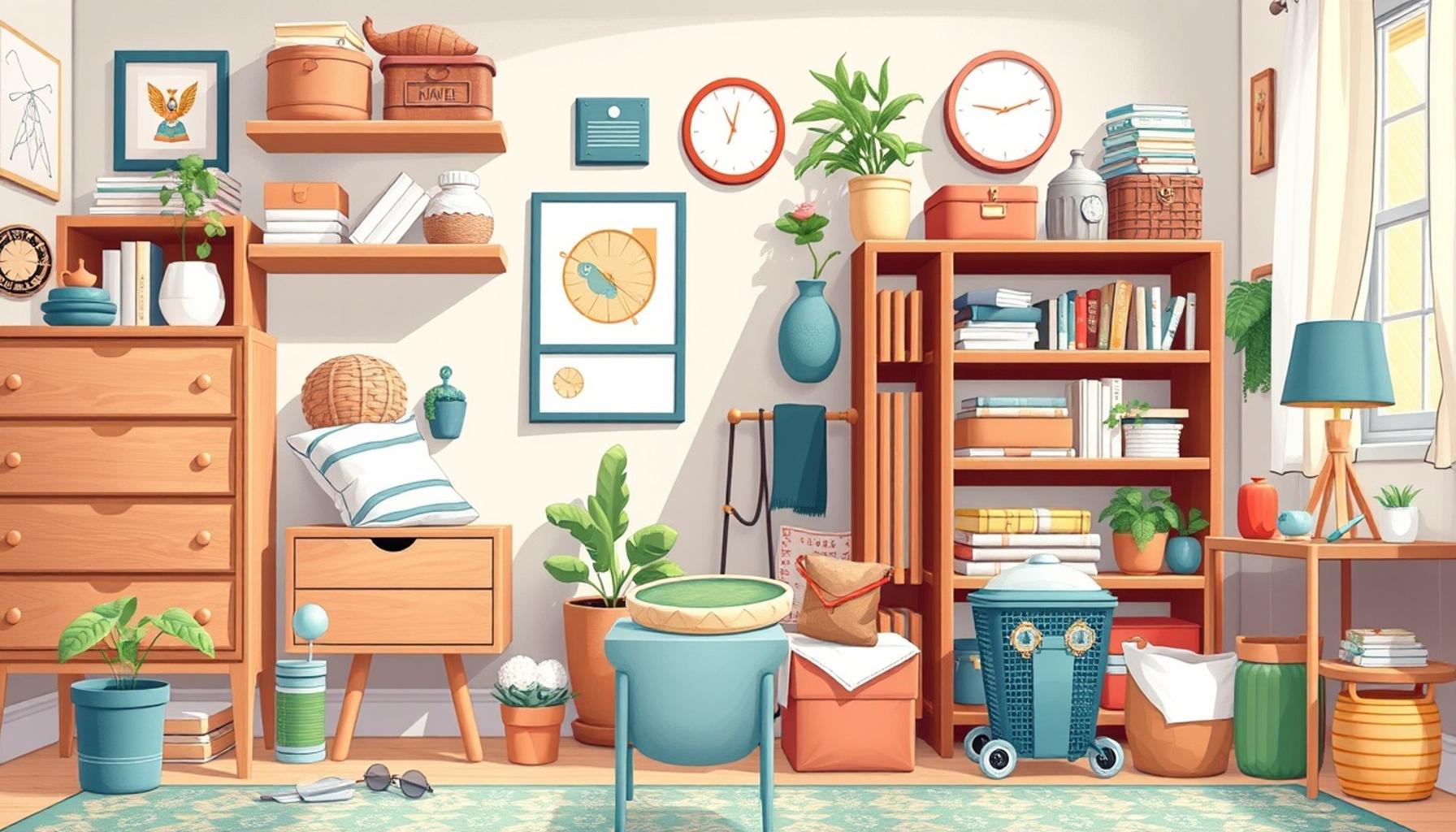
- Smart storage solutions – Utilizing vertical spaces is essential in maximizing efficiency. Creating shelves that reach the ceiling or using under-bed storage boxes can help keep your space organized. Hidden compartments in furniture can also allow for a more minimalist appearance, reducing the visual clutter that can disrupt a serene environment.
The Benefits Beyond Aesthetics
Minimalist decor isn’t solely about visual appeal; it also provides practical benefits that enhance your everyday life. By simplifying your surroundings, you can experience:
- Improved functionality – A streamlined design improves the flow of your home, making everyday tasks easier and reducing stress associated with competing demands for space.
- A focus on quality over quantity – Embracing minimalism encourages investment in fewer, but higher-quality, materials and craftsmanship. For instance, choosing a beautifully crafted, timeless piece can offer durability and an aesthetic that outlasts fleeting trends.
- The psychological comfort – A tranquil, uncluttered space promotes relaxation and mental well-being. Research suggests that living in a minimalist environment can reduce feelings of overwhelm and anxiety, transforming your home into a sanctuary.
Creating a Functional Haven
By embracing the principles of minimalism, homeowners can convert their spaces into functional havens that reflect their personal style while maximizing every square foot. It’s important to dive deep into the essentials of designing for functionality and explore how simple design choices can lead to significant transformations. Whether you live in a trendy Brooklyn apartment or a cozy Los Angeles bungalow, the practice of minimalist design holds something compelling for everyone. Take the plunge into this enticing design philosophy and discover the potential your living space holds.
Strategies to Optimize Space in Minimalist Design
When it comes to creating a harmonious living environment, the principles of minimalist design are essential in making the most out of limited space. The essence of functionality lies in thoughtful planning and smart design choices that encourage flow and accessibility, ensuring your home embodies both style and practicality. To help you get started on your journey towards a more spacious and functional atmosphere, consider the following strategies that prioritize space efficiency in minimalist home decor.
1. Thoughtful Layout and Flow
Before investing in decor, take a moment to assess your home’s layout. The aim is to establish a natural flow that allows movement without obstruction. Open-concept spaces are a popular choice among minimalist designs, as they encourage a sense of openness and versatility. When setting up your furniture, keep pathways clear and ensure places for interaction are easily accessible. Sentiments of spaciousness can often be further emphasized through:
- Strategic placement – Position your furniture to facilitate conversation and optimize accessibility. Avoid large, bulky pieces that can overwhelm a small area.
- Defining zones – Use area rugs, lighting, or even furniture placement to create distinct zones for socializing, working, or relaxing, which can provide a structured yet fluid space.
2. Embrace Light and Color
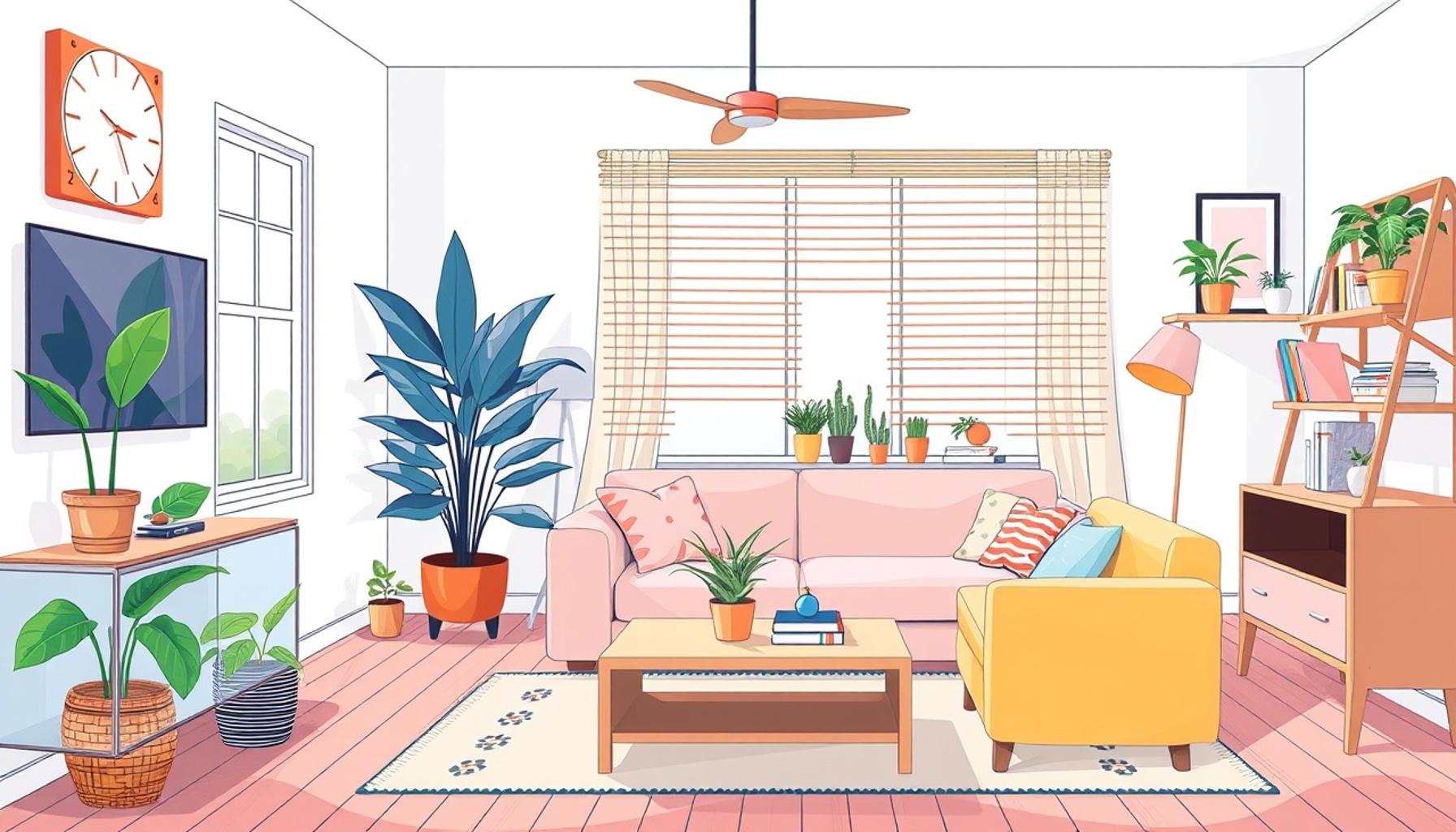
The choice of color and light can drastically affect the perception of space. Bright, neutral palettes such as whites, beiges, and light grays can make a room feel expansive, enhancing natural light and creating an illusion of airiness. Additionally, consider:
- Mirrors – Use strategically placed mirrors to reflect light and visually extend a space. When hung opposite windows or light sources, they can double the effect of natural daylight.
- Layering natural light – Maximize sunlight in the living area by using sheer curtains or opting for window treatments that can be easily pulled back during the day.
3. Choosing the Right Textures and Materials
Implementing texture in a minimalist decor scheme may seem counterintuitive; however, the right materials can add depth and warmth without compromising simplicity. Favoring lightweight textiles can bring a cozy feel while maintaining spaciousness. For instance:
- Natural fabrics – Items made from cotton, linen, or light wool contribute to a softer environment without feeling bulky.
- Streamlined hardware – Opting for sleek finishes in your fixtures and cabinet hardware enhances the minimalist aesthetic while maintaining functionality.
Ultimately, investing time in evaluating and implementing these techniques can lead to a beautifully designed home that adheres to the principles of minimalism while ensuring a functional and inviting space. With each deliberate choice, you can carve out a living environment that reflects not only your personal style but also the beauty of simplicity and efficiency.
| Advantage | Description |
|---|---|
| Maximized Usability | Minimalist design focuses on practicality, ensuring that every element serves a purpose and adds value to the space. |
| Visual Clarity | A minimalist approach enhances visual clarity, allowing for a more open feeling and reducing chaos in the decor. |
In the realm of minimalist home decor, one of the most crucial aspects is the emphasis on maximizing usability. Each piece of furniture and decor is not only beautiful but also functional, ensuring that homeowners make the most of their living space. The deliberate selection of items lends itself not only to aesthetic enjoyment but also to practical everyday use.Moreover, another benefit drawn from this design philosophy is visual clarity—the streamlined appearance eliminates clutter and helps in maintaining an organized environment. This creates an atmosphere conducive to relaxation and productivity. With expansive open spaces and strategically placed essential accessories, minimalist decor invites creativity while ensuring every inch of the home works towards enhancing day-to-day life.Understanding these principles can lead to exciting new ways of approaching home design, thereby encouraging readers to explore how they can implement such strategies in their spaces.
Maximizing Functionality with Multi-Use Furniture
In minimalist home decor, where every inch counts, multi-use furniture emerges as a game changer. By selecting versatile pieces that serve multiple purposes, you can significantly enhance space efficiency while embracing a minimalist aesthetic. These clever furnishings allow you to optimize every corner of your home without feeling cluttered. Consider the following options:
- Convertible sofas – Many contemporary designs offer sofas that easily transform into beds, accommodating guests without necessitating dedicated guest rooms.
- Storage ottomans – These functional beauties not only provide seating but also serve as discreet storage for blankets, magazines, or other everyday items.
- Folding tables and chairs – Perfect for those unexpected gatherings, folding furniture can be easily tucked away when not in use, making them a practical solution for small dining areas.
By incorporating these elements, your home can remain sleek and open while providing the necessary utility without excess bulk. The key is to choose built-in or modular designs that seamlessly blend into the overall minimalist theme.
4. Creative Storage Solutions
In minimalist design, visible clutter can severely detract from the intended aesthetic. Therefore, effective storage solutions become paramount. Opting for furniture with built-in storage options can ingeniously hide away daily necessities and create a streamlined look. Here are some innovative ideas:
- Under-bed storage – Utilize the space under the bed for seasonal items or out-of-use belongings. Storage bins with wheels can make this option both practical and accessible.
- Floating shelves – Instead of crammed cabinets, consider installing floating shelves that draw the eye upward and give the illusion of more space while providing a platform for decor and books.
- Wall-mounted storage – From hooks to decorative boxes, using the walls for storage helps keep floors free from mess and maximizes vertical space.
Implementing these storage solutions not only maintains a clean aesthetic but also encourages an organized mindset that all minimalists seek.
5. Customize Your Approach with Minimalist Ideals
There’s no one-size-fits-all solution in home decor, especially for those embracing a minimalist lifestyle. Customizing your approach, while still adhering to minimalist principles, allows for personal style and functional requirements to shine through. Consider:
- Tailored dimensions – If you have unique space constraints, opting for custom furniture can ensure every piece fits your home perfectly, avoiding the purchase of generic items that may not serve your needs.
- Personal touches – Incorporate a few curated decorative elements that reflect your individuality, such as a favorite piece of art or cherished family heirlooms, but keep the overall design uncluttered to maintain functionality.
Ultimately, customizing your minimalist decor with thoughtful selections that promote both aesthetics and practicality can create an inspiring, adaptable living space.
With the right balance of functionality and design, minimalism becomes more than just a trend; it transforms into a lifestyle that allows for calmness and cohesive living, making every square foot of your home feel expansive and welcoming.
Conclusion: Embracing Space Efficiency in Minimalist Design
In a world where living spaces are becoming increasingly compact, designing for functionality in minimalist home decor has never been more vital. As we’ve explored, the principles of minimalist design can lead to homes that are not only visually appealing but also highly functional. By incorporating multi-use furniture, such as convertible sofas and storage ottomans, you can maximize each room’s potential while maintaining a sleek aesthetic. Furthermore, creative storage solutions like under-bed compartments and wall-mounted units lend a practical approach to decluttering your space.
Moreover, the customization of your decor can establish a unique identity while adhering to minimalism’s core tenets. Tailoring furniture dimensions to fit your specific needs, along with adding personal touches, can be the key to achieving a harmonious living environment. Each of these strategies opens up new opportunities to create a home that feels expansive, organized, and adapted to your lifestyle.
Ultimately, the journey to space efficiency in minimalist home decor is about finding the right balance between form and function. Embracing this approach not only cultivates a sense of calm and clarity but also promotes a lifestyle focused on simplicity and purpose. As you move forward in your minimalist endeavors, remember that every carefully chosen piece and smart storage solution contributes to a serene, yet functional living space, allowing you to enjoy both comfort and style.
Related posts:
Innovative Organization Techniques for a Clutter-Free Minimalist Lifestyle
Creating a Minimalist Workspace: Space Efficiency for Enhanced Productivity
Connected Spaces: Integrating Technology and Design to Enhance Spatial Efficiency in Minimalist Envi...
The Psychology of Space Efficiency: How Minimalism Affects Mental Clarity
The Role of Multi-Functional Furniture in Achieving Space Efficiency
Vertical Organization: How to Use Walls to Create Open and Functional Spaces

Linda Carter is a writer and organization expert specializing in minimalism and personal organization. With extensive experience helping individuals create clutter-free, functional spaces and adopt mindful habits, Linda shares her knowledge on our platform. Her goal is to empower readers with practical advice and strategies to simplify their lives, stay organized, and achieve a sense of calm and balance in their daily routines.