
How Conscious Consumption Can Strengthen Our Personal and Community Relationships
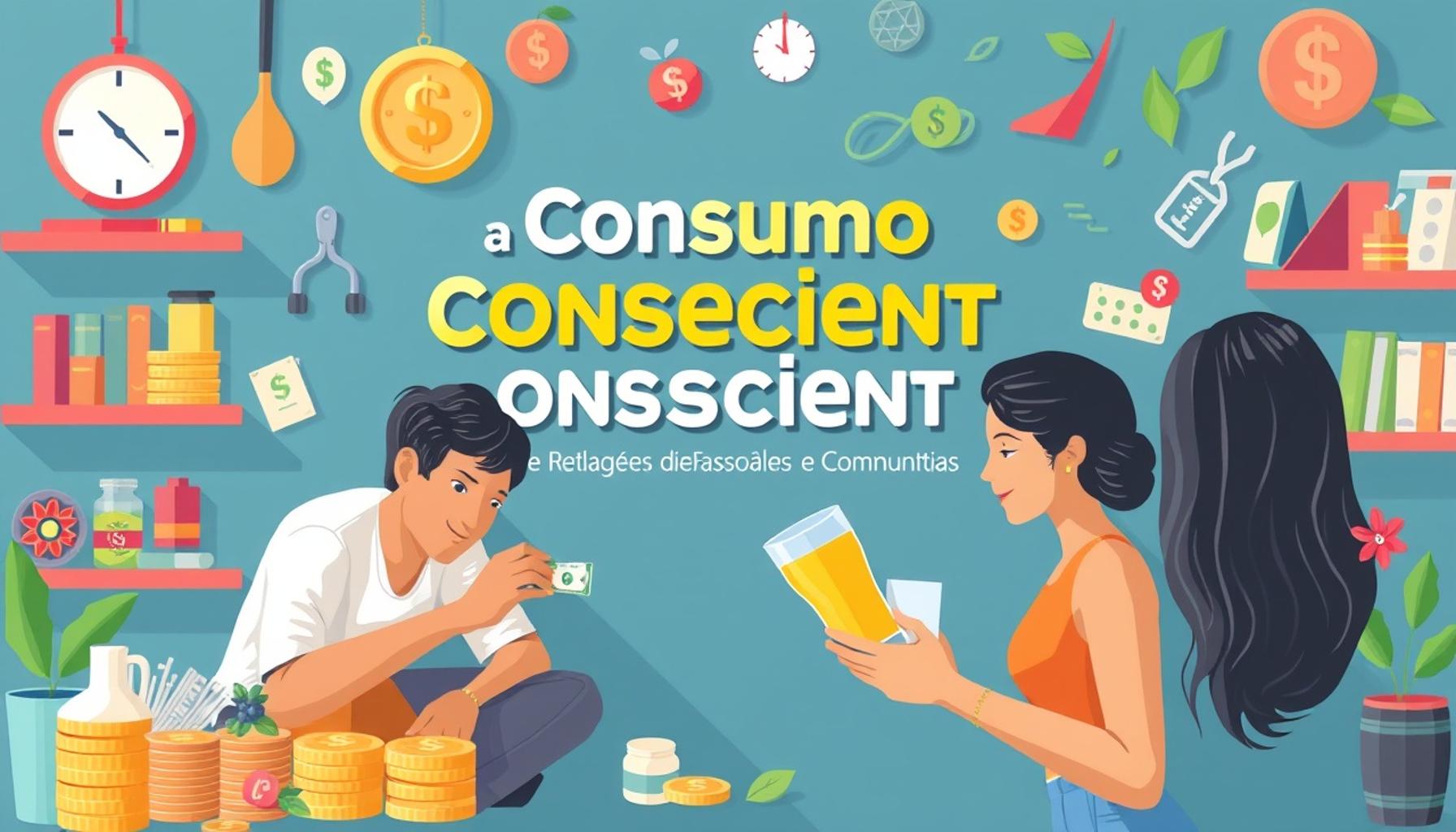
Understanding Conscious Consumption
In an age punctuated by the noise of incessant advertising and multitude of consumer choices, conscious consumption stands out as a refreshing approach that encourages a deeper introspection into how we spend our money. This practice is not merely about making purchases; rather, it involves analyzing the implications behind those purchases—social, environmental, and ethical. At its core, conscious consumption is about making choices that align with one’s values while considering the broader implications for society and the environment. For example, when choosing to buy organic produce, a consumer is not only opting for healthier food options but also supporting farming practices that are better for the planet.
The Benefits of Conscious Consumption
Engaging in conscious consumption can lead to several key benefits that ripple out beyond the individual:
- Fostering Community Bonds: Supporting local businesses is a cornerstone of conscious consumption. When consumers choose to shop at neighborhood stores or farmers markets, they help sustain local economies, which in turn fosters a sense of community. This not only strengthens relationships among residents but also nurtures local culture and creates a vibrant marketplace that reflects the distinct identity of a community. For instance, buying handmade crafts from local artisans instead of mass-produced items promotes unique creativity while empowering local creators.
- Enhancing Personal Relationships: The act of sharing products that have been thoughtfully selected can significantly enhance personal connections with friends and family. Consider gifting items with a story or purpose, such as fair-trade coffee or handmade jewelry. These gifts not only convey thoughtfulness but also spark meaningful conversations around ethical practices, leading to deeper connections and an exchange of values among loved ones.
- Promoting Sustainability: By opting for eco-friendly products, consumers signal a commitment to sustainability that has far-reaching benefits. Choices such as investing in reusable totes, biodegradable materials, or products from companies with ethical production processes reduce waste and environmental harm. One compelling example is the shift towards zero-waste lifestyles, where individuals actively seek to minimize their ecological footprints, inspiring others to reflect on their consumption habits.
As consumers, we wield the power to influence societal trends, steering them towards values that prioritize quality over sheer quantity. This awareness not only enhances our purchasing decisions but also fosters a culture of cooperation and mutual support within our communities. Individuals who embark on the journey of conscious consumption often find their lives enriched with purpose, creating a positive feedback loop that benefits both personal well-being and the health of the community at large.
Cultivating Meaningful Connections Through Conscious Choices
The impact of conscious consumption extends far beyond individual purchase decisions; it shapes the very fabric of our relationships and communities. By reflecting on the significance behind our buying habits, we can establish a deeper connection not only with the products we acquire but also with the people and places that surround us. Engaging with our communities in thoughtful ways can lead to revitalized interpersonal relationships, transforming how we experience both consumption and connection.
A powerful aspect of conscious consumption is its emphasis on supporting local businesses. When consumers pivot away from big-box stores and embrace their local neighborhood merchants, they actively contribute to stronger community ties. Think about a bustling farmer’s market on a Saturday morning, where individuals exchange not just goods, but stories, laughter, and local pride. Such gatherings offer opportunities for building friendships and connections with others who share similar values about sustainability and community welfare.
By proactively choosing local artisanal products, we nurture creativity and innovation within our community. Buying handcrafted items, whether it be organic soaps, artisanal cheese, or custom-made furniture, helps sustain local artisans. This not only enhances personal relationships— as we can share unique, local finds with family and friends — but also fosters a culture of collaboration among the local craftspeople themselves. Here are a few benefits of supporting local businesses:
- Strengthening Economic Resilience: Supporting local enterprises creates jobs and bolsters the local economy. This ensures that money spent remains in the community, which can lead to economic stability and growth.
- Building Trust and Loyalty: Regular interactions with local vendors allow for stronger relationships, fostering trust and mutual respect. Customers become familiar faces, and vendors often go above and beyond to cater to loyal clients.
- Promotion of Fair Trade Practices: By prioritizing local products, consumers often unknowingly promote fair trade principles as many local businesses operate with equitable labor practices and sustainable sourcing.
The act of sharing thoughtfully chosen goods can deepen personal relationships, striking a chord with friends and family through shared values. Gifting a friend sustainably sourced products, such as all-natural skincare or ethically-produced clothing, initiates essential conversations that can lead to more profound dialogues about ethical sourcing, environmental impact, and social responsibility. These discussions create bonds over mutually-held beliefs, making the act of consumption a gateway to interpersonal connections.
Ultimately, embracing conscious consumption offers individuals a transformative pathway to enrich their lives and the communities they inhabit. As we continue to explore this journey, we realize that each choice we make has the potential to strengthen personal relationships and foster communal unity, creating a cohesive environment where everyone thrives.
| Advantage | Impact on Relationships |
|---|---|
| Empowerment of Local Economies | When we choose to support local businesses through conscious consumption, we foster stronger ties within our community. This practice reduces reliance on large corporations and allows small businesses to thrive. |
| Strengthening Community Identity | Conscious consumption nurtures a sense of belonging by promoting local culture and values. By prioritizing community-oriented products, we contribute to a shared identity that builds community spirit. |
The act of choosing where to spend our resources influences much more than just our personal finances; it molds the fabric of our communities. When we engage in conscious consumption, we not only make informed choices that reflect our values, but we also pave the way for less tangible yet profoundly impactful connections with those around us. For instance, the decision to buy from local artisans or farmers not only supports their livelihoods but engenders a deeper emotional investment in the community’s future.Moreover, as individuals begin to share their experiences and knowledge regarding ethical purchasing habits, we create a network of informed consumers eager to exchange ideas and practices. This opens the door to conversations about sustainability, responsible sourcing, and collective community goals, further strengthening personal bonds in an increasingly fragmented society.By exploring these connections, we realize that conscious consumption is not just about purchasing; it’s a medium for building stronger, more resilient relationships within our communities, thus enriching both personal lives and societal structures.
Empowering Communities Through Informed Choices
Conscious consumption is not merely about selecting products; it encompasses understanding the implications of our purchases on the world around us. As we become more informed consumers, we begin to make choices that align closely with our values, leading to greater social awareness within our communities. This newfound knowledge fosters a sense of responsibility and encourages collective action towards more sustainable practices.
One pivotal aspect of conscious consumption is the shift towards sustainable living. When individuals prioritize environmentally friendly options—such as reusable products, energy-efficient appliances, and zero-waste materials—they not only lower their own carbon footprint but also set a powerful example for friends and neighbors. In this quest, communities can band together to create initiatives such as local recycling programs, clean-up drives, or community gardens, which not only enhance the environment but also fortify social bonds.
Moreover, this movement towards sustainability has fostered the rise of community-supported agriculture (CSA) programs, where consumers can purchase shares from local farmers. These initiatives not only guarantee access to fresh, seasonal produce but also cultivate direct relationships between consumers and producers. Such programs can lead to community events, where members gather for farm tours, potlucks, or workshops. These gatherings serve as fertile ground for both acquiring knowledge about sustainable practices and building close-knit connections among participants.
- Educating through Engagement: By participating in local food co-ops or online forums discussing sustainable living, participants share tips and tricks that can easily translate into conversations. The exchange enhances community spirit while allowing individuals to broaden their horizons and consider new perspectives.
- Cultivating Community Resiliency: In times of crisis, such as during economic downturns or natural disasters, communities that prioritize conscious consumption are often more robust and adaptable. Residents familiar with their neighbors and local businesses are more likely to rally together to provide support for one another during challenging times.
- Encouraging Innovation and Collaboration: As consumers seek sustainable or ethically sourced products, innovators are inspired to develop creative solutions that meet these demands. This synergy within the community can spark collaborations that benefit not just individual consumers but the entire local economy.
In addition to sustainability, the movement towards equitable consumption also plays a vital role in forging community connections. By making informed decisions to support ethical brands that prioritize social justice and fair labor practices, consumers are actively participating in a larger dialogue about equity and inclusion. This awareness can foster alliances across diverse demographics, allowing for collaborative efforts to address common challenges faced in the community.
For instance, small businesses that prioritize ethical labor often create job opportunities for marginalized populations, leading to a more inclusive local economy. When consumers engage with these businesses, they become advocates for the broader community’s welfare. The act of purchasing from local businesses drives not only economic gain but also serves as a potent reminder that relationships matter, intertwining values and economics with social responsibility.
Ultimately, the journey of conscious consumption is a rich tapestry woven with personal choices, community engagement, and shared aspirations for a better future. As individuals navigate their consumption habits, they inadvertently carve pathways to forge connections that strengthen both personal relationships and communal solidarity.
Conclusion: The Ripple Effect of Conscious Consumption
The essence of conscious consumption lies in its transformative power to enhance not only our personal connections but also the fabric of our communities. By embracing mindful purchasing habits, individuals can cultivate a deeper understanding of the social, environmental, and economic impacts of their choices. This knowledge fosters a culture of accountability and inspires collective efforts toward sustainability, equity, and local empowerment.
As we actively support local businesses and ethical brands, we contribute to creating a vibrant community economy that values human dignity and environmental health. Such actions ripple outward, strengthening relationships within neighborhoods and encouraging collaborative problem-solving for shared challenges. For example, by engaging in community initiatives like farmers’ markets or sustainability workshops, we cultivate spaces where dialogue thrives, and diverse voices are heard.
The journey of conscious consumption illuminates a path toward solidarity, revealing that by choosing products aligned with our values, we can simultaneously uplift ourselves and our communities. The increasing awareness of ethical practices and sustainable living can serve as a powerful catalyst for innovation and resilience, shaping a future where individuals are interconnected in pursuit of a more equitable society.
In conclusion, as consumers, we possess a unique power to influence positive change through our purchasing decisions. By prioritizing relationships that matter—be it through intentional purchases or community engagement—we lay the groundwork for a healthier, more connected world. The impact of our choices is profound and enduring; embracing conscious consumption is not just a personal journey but a shared commitment toward building a stronger, more unified community.
Related posts:
How to Practice Conscious Consumption to Reduce Waste
Mindful Consumption in the Digital Era: Strategies to Navigate a World of Information and Product Ov...
Mindful Consumption: The Key to a Sustainable and Minimalist Lifestyle
The Practice of Conscious Consumption: Reducing Waste in a Minimalist Lifestyle
Mindful Consumption: Creating a Lifestyle with Less and Better
Mindful Consumption and Mental Health: How Less Can Be More

Linda Carter is a writer and organization expert specializing in minimalism and personal organization. With extensive experience helping individuals create clutter-free, functional spaces and adopt mindful habits, Linda shares her knowledge on our platform. Her goal is to empower readers with practical advice and strategies to simplify their lives, stay organized, and achieve a sense of calm and balance in their daily routines.