
The Impact of Positive Affirmations on Collective Resilience in Communities
The Significance of Positive Affirmations in Community Resilience
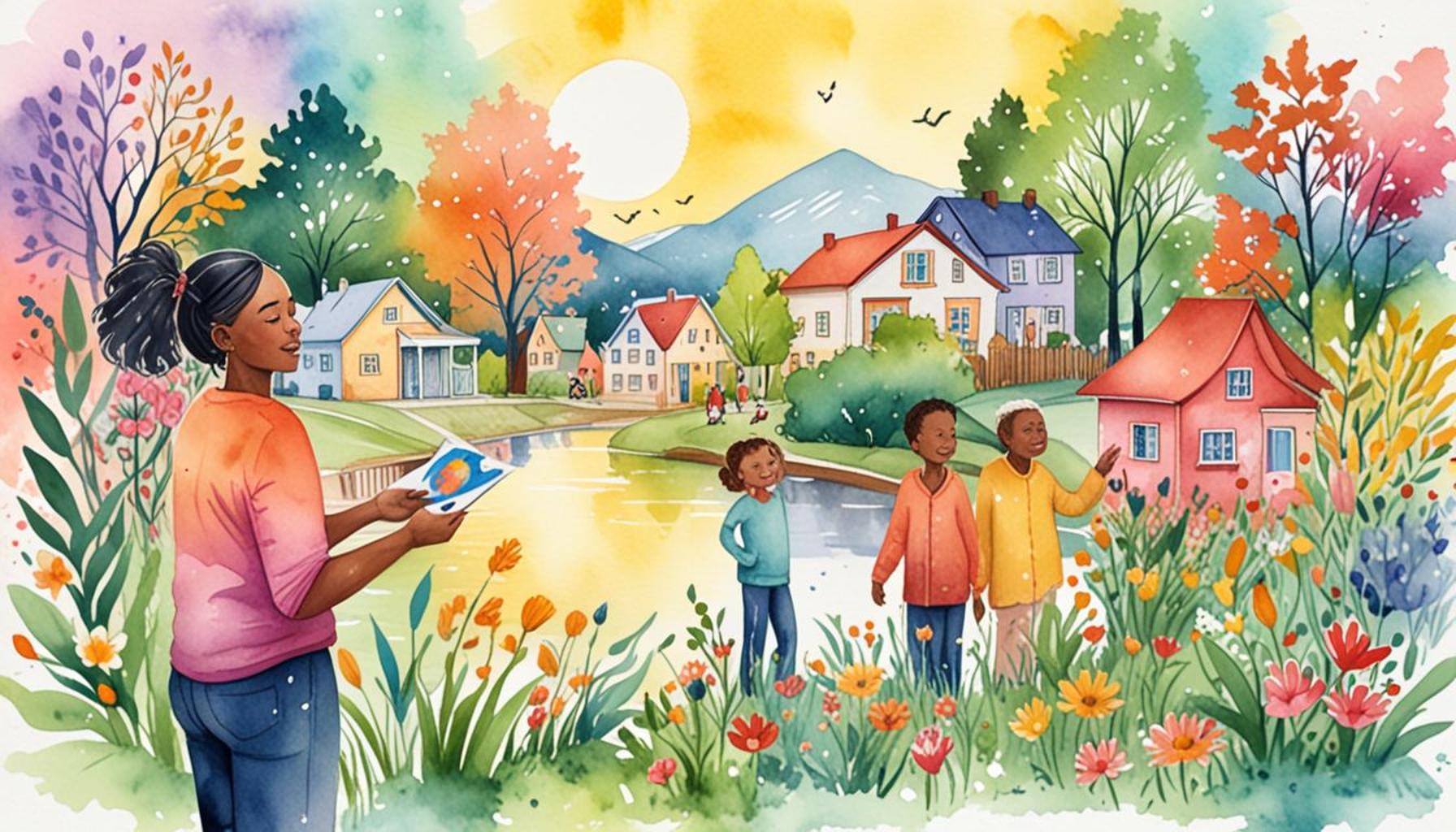
In a world often marked by uncertainty and challenges, communities are evolving toward innovative solutions that reinforce their strength and unity. One such approach gaining traction is the use of positive affirmations. These simple yet profound statements act as the backbone of hope, encouraging collaboration and enhancing resilience among community members.
Positive affirmations serve not only as individual encouragement but also amplify collective morale. Widely recognized for their effectiveness, these affirmations can profoundly influence community dynamics. Below are key reasons why they matter:
- Boosts Sense of Belonging: Affirmations cultivate a supportive environment that reinforces the notion that every member plays a vital role. For instance, community organizations might adopt slogans like “Together, we thrive!” to remind members of their interconnectedness and shared purpose.
- Encourages Positive Mindsets: Regular engagement with uplifting phrases can significantly shift perspectives, transforming challenges into manageable hurdles. In educational settings, teachers often incorporate affirmations such as, “I am capable of learning and growing,” helping students feel more empowered and motivated in their studies.
- Fosters Community Engagement: Shared positive affirmations can unite individuals towards common goals, amplifying community efforts. For example, murals featuring positive messages in public spaces not only beautify neighborhoods but also instill a sense of pride and motivate joint community initiatives.
Research indicates that communities actively practicing positive affirmations report higher levels of resilience, emotional well-being, and social cohesion. Through collective affirmations, members navigate adversities more effectively while maintaining a hopeful outlook, particularly in challenging times such as economic downturns or natural disasters. During crises, neighborhoods that engage in collaborative affirmation practices often emerge more robust and unified.
As more neighborhoods across the United States adopt this enlightening practice, it raises an intriguing question: How can we harness the true power of positive affirmations to further strengthen our communities? Consider initiating local workshops focused on creating personalized affirmations and engaging in community-wide affirmation days. Sharing these phrases via social media platforms or neighborhood newsletters can also encourage ongoing dialogue and inclusivity.
Moreover, schools can implement programs centered around positive thinking, which can substantially improve students’ engagement and academic performance. By empowering individuals with positive beliefs, communities can lay a groundwork for a brighter, more cohesive future.
In conclusion, the transformative potential of positive affirmations is only beginning to be understood. By collectively embracing this practice, we can actively shape communities filled with resilience, determination, and a profound sense of belonging.
DISCOVER MORE: Click here to learn about creating an affirmation journal
The Mechanisms Behind Positive Affirmations and Community Resilience
As communities across the United States face increasingly complex challenges—be it social unrest, economic fluctuations, or environmental crises—the role of positive affirmations in fostering resilience cannot be overstated. These affirmations, often repeated in both private and public spaces, act as catalysts for meaningful change, subtly influencing the collective mindset and behavior of community members.
Positive affirmations leverage psychological principles that resonate deeply within groups. The theory of social identity suggests that people derive part of their self-esteem from their membership in social groups. When communities adopt affirmations that celebrate their identity—such as “We are stronger together” or “United we rise”—it reinforces a sense of belonging and strengthens interpersonal bonds. The more individuals feel a part of their community, the more likely they are to engage positively and support one another.
Moreover, using affirmations in public contexts can significantly alter the collective atmosphere. Public spaces adorned with positive messages—be it through signs, artwork, or social media campaigns—create an environment ripe for optimism. This environment not only contributes to individual well-being but also sets a tone for community resilience. Studies have shown that neighborhoods with positive public messaging experience lower crime rates and higher levels of civic participation.
- Empowerment Through Shared Language: The use of a shared vocabulary around affirmations empowers community members to communicate effectively. This language serves as an emotional bridge, allowing individuals to share their experiences and struggles while also uplifting one another. Phrases like “We can adapt and overcome” encourage vulnerability and openness in discussions, fostering a culture of support.
- Collective Response to Adversity: Communities that utilize affirmations as part of their crisis response see higher levels of solidarity during tough times. For example, buildings currently facing reconstruction after natural disasters often display affirmations that symbolize hope and resilience. These collective calls for action can catalyze recovery efforts and rebuild a sense of normalcy.
- Encouraging Intergenerational Connections: Affirmations can bridge generational gaps within communities, linking youth with elders who have lived through trials and triumphs. By promoting phrases like “Your story inspires us,” communities affirm the value of wisdom and experience, creating a harmonious space for mutual learning.
The data supporting the effectiveness of positive affirmations is compelling. According to research from the Greater Good Science Center at UC Berkeley, communities that actively engage in practices focused on gratitude and optimistic outlooks report higher levels of happiness and community satisfaction. This suggests that when positive affirmations are woven into the fabric of community life, collective resilience naturally flourishes.
As communities look inward for solutions, the potential of positive affirmations as a foundational practice reveals not just the power of words, but the very essence of community spirit. It raises the intriguing prospect: How can we amplify these affirmations to create pathways for inclusive growth and lasting change? By exploring initiatives that embed positive practices into schools, workplaces, and neighborhoods, communities can truly begin to realize their full potential.
The Role of Positive Affirmations in Enhancing Community Bonds
Positive affirmations serve as a catalyst for strengthening community ties, fostering a sense of belonging and support among members. The practice of sharing affirmations encourages open communication and emotional expression, which are essential components of healthy community dynamics. When individuals vocalize positive beliefs about themselves and their environment, it cultivates an atmosphere of optimism and collective resilience.
Creating Shared Narratives
Through the use of positive affirmations, communities can create shared narratives that unify members in times of adversity. These shared stories of hope and strength shape the collective identity and provide a framework for resilience. For instance, community workshops focused on developing affirmations can lead to increased participation and engagement, as individuals come together to support one another in affirming their strengths and potentials. Such initiatives not only empower individuals but also reinforce the community’s collective spirit.
| Category | Advantages |
|---|---|
| Community Engagement | Strengthens interpersonal connections and increases participation in community activities. |
| Emotional Support | Fosters a nurturing environment, encouraging individuals to express their feelings and affirm their value. |
These affirmations can also shift the narrative from fear and anxiety toward a more empowered outlook, which is critical during crisis situations. The collective resilience built through positive affirmations not only enhances individual mental health but also equips communities to bounce back from challenges with renewed strength and unity.
The Science Behind Affirmations
Research has shown that engaging in positive self-talk can lead to transformational changes in how individuals perceive challenges and stressors. Moreover, when practiced collectively, these affirmations multiply their effects, creating a supportive feedback loop that nurtures collective well-being. The psychological benefits of affirmations—such as increased self-esteem and decreased stress—translate into actionable resilience strategies that benefit entire communities.As communities continue to navigate the complexities of modern life, harnessing the power of positive affirmations presents an innovative and effective approach to building and sustaining resilience. Through intentional practices, communities can cultivate an environment where positivity thrives, leading to enhanced connections among members and a robust collective spirit.
DISCOVER MORE: Click here to learn about the power of positive affirmations
Community-Led Initiatives Utilizing Positive Affirmations
As the understanding of positive affirmations and their impact on community resilience continues to evolve, various innovative initiatives are emerging across the country. These initiatives showcase how communities can actively integrate affirmations into their daily lives, creating systems of support that enhance collective engagement and foster resilience against adversity.
One compelling example is the “Affirmation Wall” project that has taken root in various urban environments. These walls, often situated in public parks or community centers, invite residents to contribute their own affirmations. This act of participation creates a tapestry of positivity that not only beautifies a space but serves as an ongoing reminder of collective strength and unity. Reports indicate that communities with such projects experience increased social interactions and even a decline in local tensions, as shared affirmations promote a spirit of togetherness.
Additionally, schools have begun to harness the power of positive affirmations as a core part of their social-emotional curriculum. Programs in districts from California to New York are incorporating daily affirmations into morning routines, encouraging students to articulate their strengths and aspirations. Research has shown that when children are taught to affirm themselves and their capabilities, they exhibit improved academic performance and higher levels of social engagement. By cultivating a mindset rooted in positivity, students are better equipped to handle challenges, thus bolstering the resilience of the community at large.
- Workshops and Community Events: Various organizations are implementing workshops that focus on the art of positive affirmation. These workshops not only teach individuals how to create their own affirmations but also facilitate discussions around community challenges, fostering a sense of empowerment. Participating in such events cultivates a collective identity anchored in resilience and optimism.
- Social Media Campaigns: In today’s digital age, social media serves as a powerful platform for spreading positivity. Local governments and organizations have launched campaigns utilizing hashtags such as #RiseTogether and #StrengthInUnity, encouraging residents to share their own affirmations and stories of resilience. These campaigns have sparked viral movements that transcend geographical boundaries, allowing communities to find inspiration in one another’s experiences.
- Interfaith and Cultural Collaborations: Positive affirmations are also being leveraged to promote dialogue and understanding among diverse cultural and religious groups. Interfaith gatherings across the United States are now incorporating shared affirmations that highlight common values, reinforcing the notion that despite differences, communities can find solidarity through unity. This approach not only fosters resilience but also cultivates peace and respect, allowing communities to thrive in harmony.
Furthermore, a report from the American Psychological Association confirms that communities that emphasize supportive behaviors and harness the power of positive language tend to exhibit better mental health outcomes among their members. With this data in hand, the push for affirmations in diverse sectors—from healthcare to community planning—gathers momentum. As the shift towards a more positive communal language unfolds, it lays the groundwork for thriving, resilient neighborhoods equipped to face the tides of change.
As the narrative of resilience continues to evolve, the integration of positive affirmations paves the way for a renewed sense of community. By embracing the multifaceted nature of these practices—whether through art, education, or digital communication—communities can transform collective struggles into narratives of strength and resilience.
DISCOVER MORE: Click here to learn about daily affirmations
Conclusion
In wrapping up the exploration of positive affirmations and their significant role in enhancing collective resilience within communities, it becomes clear that these simple yet powerful statements can transform lives. By fostering a culture of affirmation, communities not only build emotional strength but also encourage social cohesion among their members. The examples of initiatives like the “Affirmation Wall,” school programs, and digital campaigns highlight the innovative ways in which positivity can infiltrate everyday life, leading to tangible improvements in community dynamics.
As residents engage in communal affirmations, they are reminded of their shared values and strengths, creating a sense of belonging that is particularly crucial in times of struggle. The data supports this notion, revealing that communities emphasizing positive language experience enhanced mental health outcomes and improved social interactions, leading to a more robust social fabric.
Looking ahead, the integration of positive affirmations into various sectors—including education, healthcare, and interfaith dialogue—holds great promise for cultivating resilient neighborhoods across the nation. As the wave of positivity spreads, communities are not merely surviving but thriving, equipped to confront the challenges of modern life with confidence and unity.
Ultimately, harnessing the power of positive affirmations presents an opportunity for collective growth and transformation. By embracing this practice, we lay the foundation for a future where resilience is woven into the very tapestry of community life, reflecting the indomitable spirit of individuals working together towards a brighter tomorrow.