
Multifunctional Furniture: The Key to Spatial Efficiency in Minimalist Homes
Revolutionizing Living Spaces with Multifunctional Furniture
With increasing urbanization, many individuals find themselves living in compact apartments. This shift has made spatial efficiency not just a trendy notion but a necessity for homeowners. As cities expand and the size of living quarters decreases, the quest for maximizing every square foot has led to a rise in multifunctional furniture, a clever answer to the challenge of maintaining both function and style.
Multifunctional furniture is characterized by its ability to adapt to various needs, serving multiple purposes without compromising on its aesthetic appeal. For instance, a contemporary sofa bed not only provides comfortable seating during the day but transforms into a cozy sleeping space at night. This versatility is a crucial feature for urban dwellers who often entertain guests or work from home in tight living environments.
- Transformable Designs: The emergence of interactive designs allows for seamless transitions. A coffee table can elevate into a dining surface, enabling small gatherings to turn into more formal dining experiences without the need for extra furniture.
- Storage Solutions: Maximizing space is often synonymous with minimizing clutter. Furniture like storage ottomans and beds with integrated drawers provide essential storage areas that can be hidden from sight, maintaining an uncluttered environment which is vital to a minimalist lifestyle.
- Space-Saving Features: Foldable furniture items, such as collapsible desks and chairs, can be easily tucked away when not in use, creating a sense of openness and freedom in confined spaces.
This innovative furniture trend does more than enhance efficiency; it cultivates a sense of calm and order in the home. A well-organized environment can foster creativity and productivity, essential traits in today’s dynamic living conditions. As individuals increasingly lean into minimalism, the demand for multifunctional furniture continues to rise, indicating a shift towards a lifestyle that values simplicity without sacrificing quality or comfort.
Exploring New Avenues of Design
The world of multifunctional furniture is vast and continually evolving, leading to an exciting opportunity for homeowners to redefine their spaces. By examining various styles and configurations, it is possible to strike a balance between aesthetic beauty and practical deployment in any home setting. From modular sofas that adjust to seating configurations suited for any occasion to stylish beds that double as seating areas, the possibilities are endless.
As you embark on your exploration of this transformative furniture style, consider how each piece not only serves a dual purpose but also enhances the overall design scheme of your home. Multifunctional furniture invites a fresh perspective on the way we interact with our spaces and can fundamentally change our daily living experiences. Join us in discovering how these innovative designs can revolutionize your home, encouraging a lifestyle steeped in creativity, efficiency, and peace. Give yourself the chance to rethink how even the smallest of spaces can become the perfect environment for modern living.
Embracing Functional Aesthetics in Compact Living
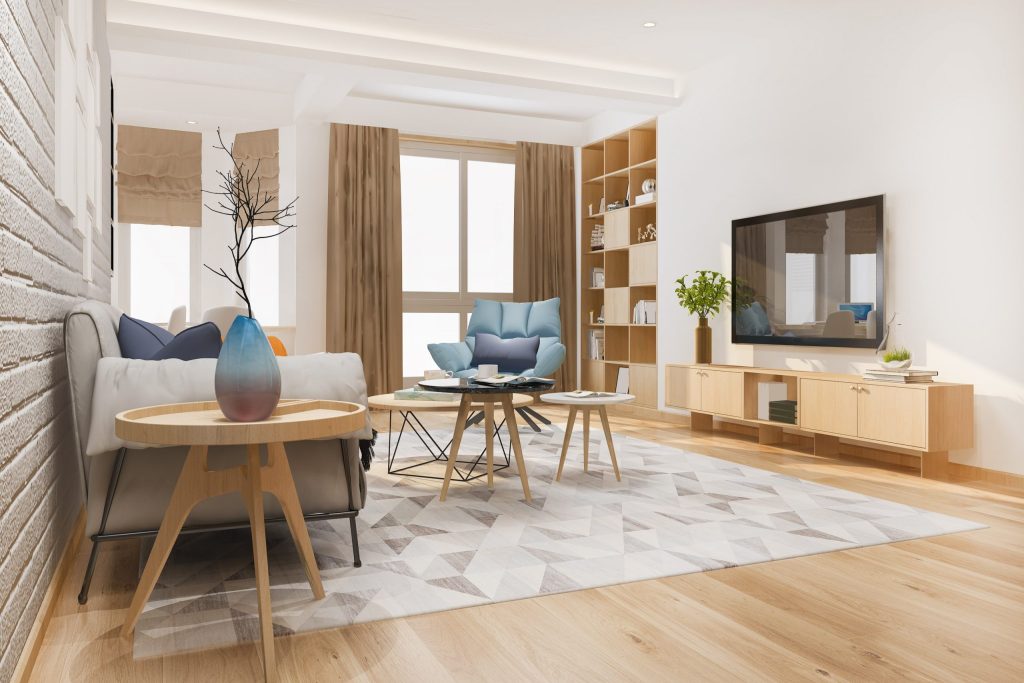
In the realm of modern living, multifunctional furniture serves as a beacon of creativity and practicality. As spaces become smaller, the idea of furniture that performs multiple tasks is no longer just a clever design concept; it’s an essential approach to living efficiently. Many people now face the challenge of designing interiors that do more with less. Fortunately, innovative designs are responding to this need by merging style with functionality, creating furniture solutions that fit seamlessly into today’s minimalist lifestyle.
A prime example of this adaptability is the rise of modular furniture systems that can be rearranged according to personal needs and preferences. Modular sofas serve as versatile seating arrangements for any occasion, effortlessly transitioning from an intimate lounge for two to a spacious gathering space for entertaining friends and family. This fluidity in design not only maximizes seating capacity but also enhances social interactions, making it a perfect fit for the urban dweller who values both function and aesthetics.
- Innovative Space Solutions: Items such as wall-mounted desks and transforming coffee tables provide intriguing solutions for working professionals or students. A compact wall desk can fold down when needed but tuck away neatly when not in use, allowing the space to breathe and feel more open.
- Dual-Purpose Furniture: Think about versatile furnishings like daybeds that can function as both a sofa and a bed, or dining tables that convert into desks. Such pieces are designed with the knowledge that multifunctionality doesn’t douse design but enhances it, creating a harmonious environment.
- Holistic Approach to Storage: Storage solutions that combine multiple functions are becoming increasingly popular. Consider a striking ottoman that not only provides seating but easily opens up to reveal hidden storage—an invaluable asset within a limited space.
Moreover, the aesthetic appeal of these designs cannot be understated. Minimalist homes often reflect a desire for simplicity and clarity, and multifunctional furniture aligns with this ethos by reducing clutter while adding a touch of sophistication. Colors, materials, and styles are carefully chosen to ensure that these pieces not only serve their practical purposes but also contribute to a tranquil and stylish ambiance.
As the global community shifts towards sustainable living practices, multifunctional furniture also champions eco-friendliness. By investing in fewer, yet versatile pieces, homeowners reduce the demand for single-use furniture, contributing to a more sustainable lifestyle. This changing perspective on ownership and functionality is a significant shift in how people approach interior design.
With this transformative mindset, individuals are empowered to revolutionize their living spaces, making informed design choices that reflect their values. As we explore the exciting world of multifunctional furniture, we discover that the potential for a well-designed space goes beyond just making things fit; it’s about creating a vibrant, efficient, and stylish home that complements a modern lifestyle.
| Advantages | Details |
|---|---|
| Space Saving | Multifunctional furniture allows homes to maximize space usage, keeping areas uncluttered and aesthetically pleasing. |
| Cost Efficient | Investing in multifaceted pieces eliminates the need for multiple items, providing both style and utility in a single purchase. |
| Versatility | These pieces can transition between functions, adapting to various needs over time, thus enhancing their practicality. |
| Sustainability | Choosing multifunctional options can reduce overall consumption, contributing to a greener lifestyle while achieving a minimalist aesthetic. |
In modern homes, the integration of multifunctional furniture symbolizes a growing desire for spatial efficiency, particularly in minimalist designs where every square foot counts. As urban living spaces shrink, the benefits of these furniture solutions extend beyond mere convenience; they evoke a lifestyle choice prioritizing functionality without compromising style. Homeowners are increasingly drawn to pieces that serve multiple purposes, allowing them to curate an environment that is both practical and chic. Moreover, as we address issues of sustainability, multifunctional furniture emerges as a compelling choice, enabling consumers to minimize their environmental footprint through reduced waste and resource consumption. With these dynamics at play, the landscape of interior design shifts, favoring solutions that harmonize comfort, utility, and ecological responsibility. Exploring the diverse range of available options reveals not just individual pieces, but innovative design philosophies that cater to the needs of the modern dweller.
Elevating Lifestyle through Smart Design
As the concept of minimalism expands, multifaceted furniture pieces are becoming the hallmark of sophisticated living spaces. The trend emphasizes not just area efficiency, but also user-centric design that responds to daily needs. Innovations in multifunctional furniture are redefining conventional uses, allowing homeowners to maximize every square foot while showcasing individual style.
A notable development in this field is the emergence of expandable dining tables that adapt to the number of guests. These designs typically utilize extensions or collapsible sections to easily transition from a cozy dinner setup for two to a sprawling feast for family or friends. In an era where social gatherings are cherished, this flexibility in furniture caters to a variety of lifestyles without needing to compromise on space.
- Smart Technology Integration: With the incorporation of technology, modern multifunctional furniture can now include features such as built-in charging stations, Bluetooth speakers, or LED lighting. A simple coffee table can transform into a hi-tech workstation with adjustable height settings and connectivity for devices, making it a practical choice for remote workers.
- Furniture for Well-being: The rise of the remote work culture has also led to the demand for ergonomic functional furniture. Pieces such as standing desks pivoting between various heights to cater to different work styles ensure that productivity doesn’t come at the cost of health. These adjustable features align with the minimalist approach, cultivating an atmosphere of functionality and comfort.
- Children-friendly Options: Families are also benefiting from the versatility of multifunctional furniture. Items like convertible cribs can transition into toddler beds, extending the lifespan of furniture as families grow. Playtables that double as craft stations allow children to enjoy creativity without cluttering the home, embodying the minimalist ethos of simplicity.
Beyond practical applications, the narrative around multifunctional furniture is increasingly linked to sustainability. Brands are consciously utilizing materials that minimize environmental impact, such as reclaimed wood and eco-friendly fabrics. The U.S. furniture market is seeing a surge in demand for sustainably-made products, with consumers becoming more selective about their purchases. This conscious consumerism fosters a sense of responsibility towards both personal spaces and the planet, reinforcing the idea that minimalism is as much about values as it is about aesthetics.
Interior designers are now profoundly exploring multifunctional layouts, offering clients opportunities to redefine their spaces creatively. Open floor plans, combined with the strategic placement of versatile furniture, can enhance the flow of light and movement, making even the smallest homes feel expansive. Features like sliding doors or room dividers can provide privacy without the need for conventional walls, further enhancing spatial efficiency.
The dialogue around multifaceted furniture is gaining traction in homeowners’ circles across the United States, showcasing a significant shift in how individuals envision their ideal living spaces. By reshaping their environments with intelligent design, residents are reminded that embracing less invites not just more space, but also more freedom—freedom to live, entertain, and create within the comfort of their own homes.
Conclusion: Embracing Efficiency and Style
In the realm of modern living, multifunctional furniture has emerged as a pivotal solution that harmoniously blends utility and design. As space becomes a premium in many homes across the United States, especially in urban environments, the significance of versatile furniture cannot be overstated. This innovative approach not only addresses practical challenges—enabling residents to maximize every inch of their living areas—but also enhances the overall aesthetic, allowing for a chic minimalist lifestyle.
From expandable dining tables suited for both intimate dinners and large gatherings to ergonomic workstation solutions that support health and productivity, multifunctional designs cater to the diverse needs of contemporary households. Furthermore, the integration of smart technology into furniture encourages a seamless blend of modern convenience with traditional comfort. The burgeoning interest in sustainability further promotes responsible consumer choices, as environmentally-friendly materials become central to the manufacturing process of multifunctional pieces.
As homeowners invest in thoughtful designs that adapt to changing lifestyles, they are not just creating space—they are creating possibilities. The minimalist philosophy suggests that by choosing less, one can unlock more: more space for creativity, more opportunities for connection, and more freedom to enjoy life within the home. In this ongoing conversation about efficiency and elegance, multifunctional furniture offers a compelling narrative, encouraging us to reimagine our spaces, values, and ultimately, our experiences. As this trend continues to grow, it is clear that multifunctional furniture is not just a fleeting fad but a transformative approach to living well in a constrained world.
Related posts:
Maximizing Space: Storage Strategies for Small Environments
Embracing Vertical Space: Strategies for Efficient Minimalist Living
Connected Spaces: Integrating Technology and Design to Enhance Spatial Efficiency in Minimalist Envi...
The Impact of Space Efficiency on Sustainable Minimalism
Space Efficiency in Tiny Homes: Navigating Limited Square Footage
Creating a Minimalist Workspace: Space Efficiency for Enhanced Productivity

Linda Carter is a writer and organization expert specializing in minimalism and personal organization. With extensive experience helping individuals create clutter-free, functional spaces and adopt mindful habits, Linda shares her knowledge on our platform. Her goal is to empower readers with practical advice and strategies to simplify their lives, stay organized, and achieve a sense of calm and balance in their daily routines.