Connected Spaces: Integrating Technology and Design to Enhance Spatial Efficiency in Minimalist Environments
The Rise of Connected Spaces
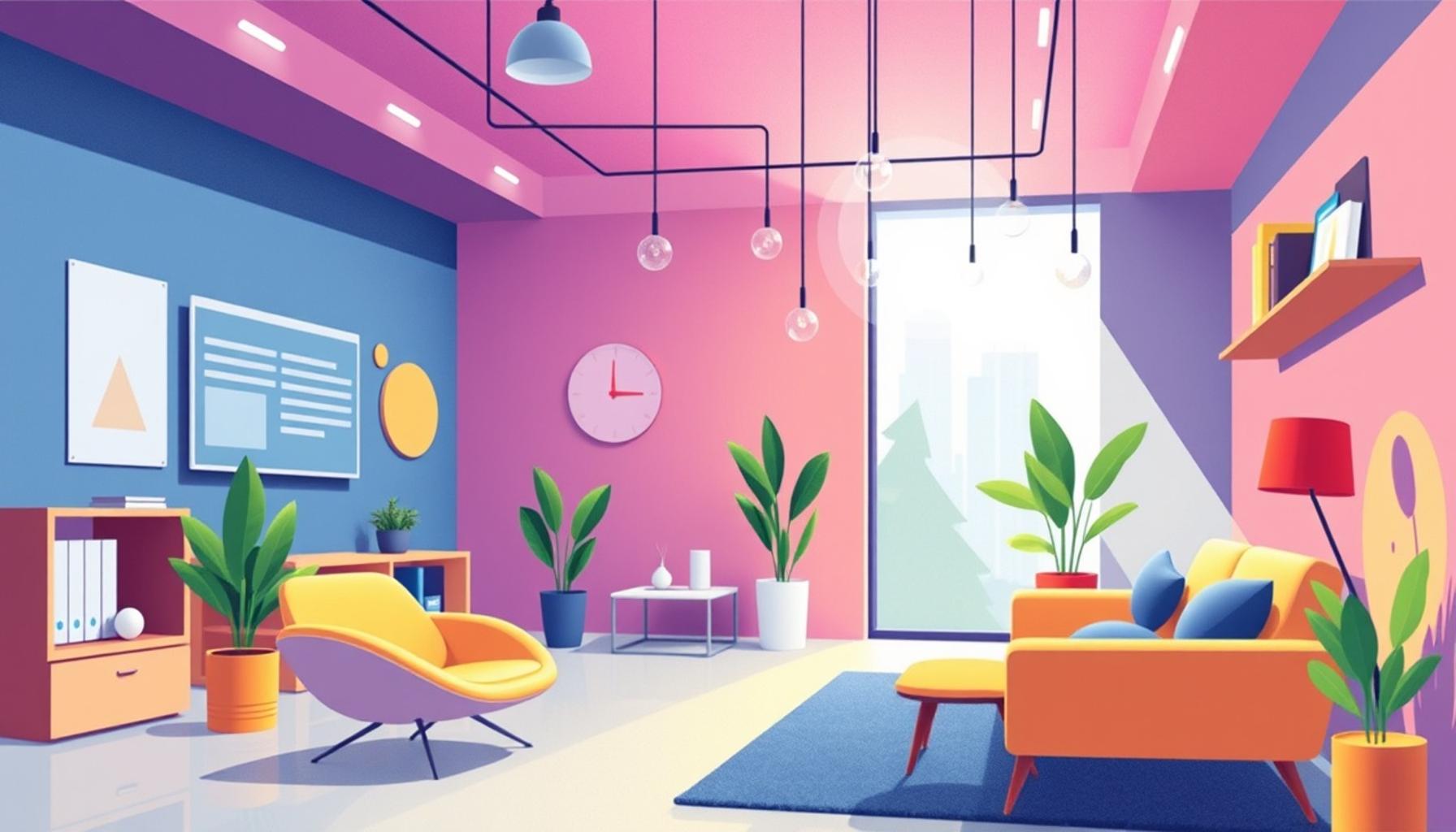
As urban living spaces become increasingly compact, the concept of Connected Spaces emerges as a powerful solution to maximize efficiency. In densely populated cities across the United States, where every square foot counts, this innovative approach intertwines technology with design principles, forging environments that remain functional while captivating the eye.
In the realm of minimalist settings, where simplicity reigns and clutter is banished, achieving optimal spatial efficiency becomes paramount. Consider these transformative elements that can redefine the living experience:
- Smart Home Technology: Imagine entering a home where your smart thermostat adjusts the temperature according to your preferences before you even arrive. Products like the Nest or Ecobee allow users to monitor their energy consumption and can be controlled remotely through smartphones. Similarly, automated lighting systems adapt to natural light levels throughout the day, enhancing comfort while promoting energy efficiency. Voice-controlled assistants like Amazon’s Alexa or Apple’s Siri simplify daily tasks, allowing you to control your home environment with mere spoken commands, which is especially convenient in hands-free situations.
- Multi-Functional Furniture: The days of oversized furniture pieces cluttering up limited spaces are over. Today’s designs prioritize functionality without sacrificing aesthetics. For instance, sofa beds offer flexible seating by day and comfortable sleeping solutions by night, catering perfectly to urban dwellers. Expandable dining tables, which can adjust to accommodate large gatherings or compact for everyday use, exemplify how creativity in design can fulfill dual purposes while maintaining style.
- Open-Concept Layouts: Traditional compartmentalized rooms can often feel restrictive and inhibit movement. By removing unnecessary walls, open-concept layouts foster fluidity and create a broader sense of space. This design not only promotes social interaction—perfect for entertaining guests—but also optimizes natural light flow, bringing vibrancy to the environment.
The integration of these cutting-edge features transforms ordinary living spaces into interconnected and efficient environments. The interaction between technology and thoughtful design enhances functionality while elevating the aesthetic appeal inherent in minimalist living. This synergy can be especially effective in cities like New York or San Francisco, where every inch must be utilized wisely.
As individuals navigate the compelling blend of connected technology and innovative design, they can cultivate homes that resonate with modern lifestyle demands while celebrating simplicity. The trend towards Connected Spaces signifies a shift towards not only improving living conditions but also revolutionizing the way we interact with our environments. Delving deeper into this evolution reveals how such innovations contribute to creating more sustainable, enjoyable, and aesthetically pleasing living and working spaces across the country.
Transforming Living Experiences through Innovative Solutions
The demand for Connected Spaces is rapidly reshaping the landscape of contemporary urban living. As populations shift towards urban centers, design versatility paired with technological advancements becomes essential. These integrative solutions not only cater to the limited square footage found in many American cities, such as Chicago and Los Angeles, but also enhance the quality of life for their inhabitants. This transformational movement offers a myriad of benefits that go beyond mere aesthetics.
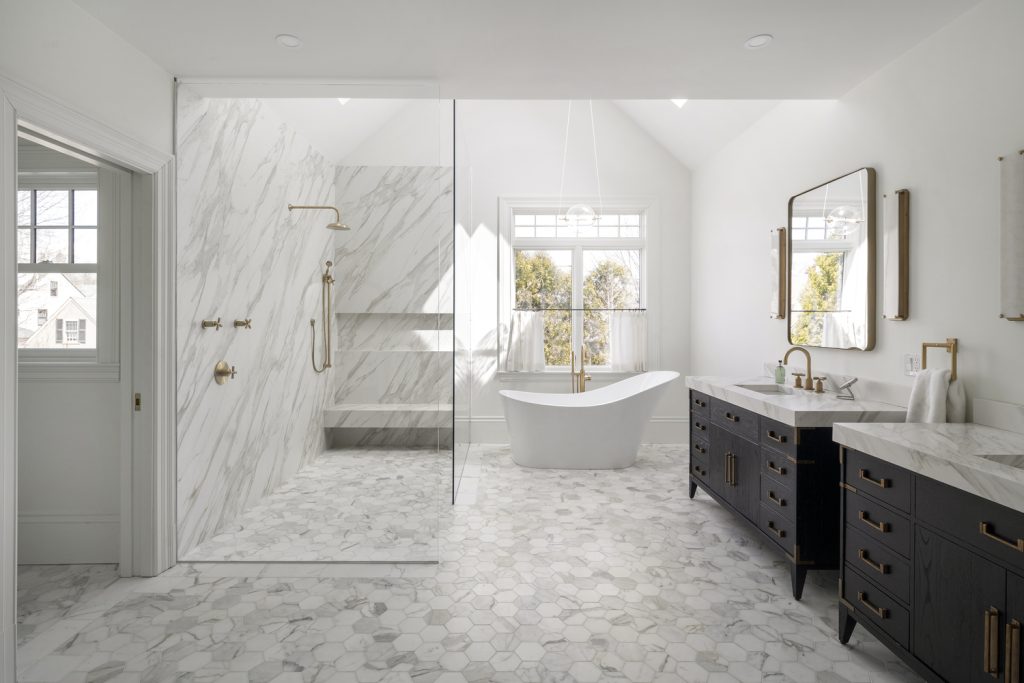
Central to the concept of Connected Spaces is the smart home ecosystem, which empowers residents with greater control over their environments. Integration of IoT (Internet of Things) devices creates a seamless user experience that promotes efficiency. For instance:
- Energy Management: Smart energy meters provide real-time usage data, enabling occupants to make informed decisions about energy consumption. This capability not only leads to cost savings but also supports sustainability efforts, an increasingly vital concern in today’s eco-conscious society.
- Security Enhancements: Home security systems that integrate with smartphones offer peace of mind. From smart doorbells that allow homeowners to see who is at their doorstep to surveillance cameras that can be monitored remotely, these innovations bolster safety without encumbering space.
- Personalization Options: Users can customize their living environments with programmable settings for lighting, climate, and even entertainment systems. This personal touch transforms ordinary spaces into tailor-made habitats, enhancing comfort and satisfaction.
Moreover, the rise of multi-functional furniture is a game-changer in minimalist design. Traditional furniture often failed to adapt to the evolving needs of city dwellers, resulting in wasted space and compromised function. Today, however, designers are addressing these challenges with creativity and ingenuity. Some noteworthy examples include:
- Convertible sofas: Transform effortlessly from a seating arrangement to a sleeping area, providing versatility and adapting to various scenarios, whether hosting guests or enjoying a cozy movie night.
- Storage benches: A perfect blend of seating and hidden storage, these pieces allow for quick organization of everyday items, keeping spaces clutter-free while remaining stylish.
- Wall-mounted desks: Ideal for remote workers, these desks fold up when not in use, freeing up essential floor space and maintaining a streamlined environment.
The crucial element of open-concept designs further enhances the concept of Connected Spaces by promoting a sense of community and well-being. Instead of segmented, isolated rooms, this design philosophy emphasizes broader, shared areas conducive to social interaction. By maximizing natural light and airflow, open layouts provide an invigorating environment that encourages creativity and connection. This trend aligns with contemporary lifestyle preferences, as more residents seek spaces that support both individual productivity and collaborative activities.
As we continue to explore the intersection of technology and design within Connected Spaces, it becomes evident that these innovations are poised to improve not only how we live but how we feel in our homes. With an increasingly interconnected world, the possibilities appear endless, promising to enhance the minimalist experience while addressing the challenges of urban dwelling.
Enhancing Functionality in Minimalist Environments
In the world of connected spaces, the integration of technology and design has revolutionized how we interact with our surroundings, particularly in minimalist environments. By fusing advanced technological solutions with streamlined design philosophies, these environments optimize spatial efficiency without sacrificing style or comfort.
One key aspect of this evolution is the use of smart furniture and IoT (Internet of Things) devices that seamlessly blend function with aesthetic appeal. For instance, furniture pieces equipped with wireless charging stations or built-in speakers not only serve practical purposes but also contribute to a sleek, uncluttered look. This, in turn, makes it easier to maintain a minimalist ethos while keeping spaces functional and engaging.
Moreover, the application of artificial intelligence in design—such as through adaptive lighting and climate control—promotes both energy efficiency and an enhanced user experience. These systems can learn the user’s preferences over time, adjusting accordingly to create environments that feel personalized yet unobtrusive.
As we delve deeper into the exploration of connected spaces, we uncover a myriad of solutions that have emerged, helping to create a harmonious balance within minimalist settings. From smart home technology enhancing daily routines to architectural layouts that prioritize openness and usability, the future of design beckons as we embrace these innovations.
| Category | Key Features |
|---|---|
| Smart Technology Integration | Devices that enhance usability while maintaining a minimalist design. |
| Adaptive Features | Systems that learn user behavior to optimize comfort and efficiency. |
This interplay of technology and aesthetic not only highlights the importance of spatial efficiency but also invites us to consider the greater implications of these advancements in our everyday lives. Interested readers are encouraged to explore the innovations driving this transformation and envision the future of their own spaces.
Innovative Design Solutions for a Compact Future
As the allure of urban living grows, so does the necessity for innovative design solutions that amplify spatial efficiency. The integration of technology and design not only addresses the challenges of confined living but also fosters an adaptable lifestyle that resonates with millennials and Gen Z. This demographic is driving a shift towards minimalist environments characterized by simplicity, functionality, and sustainability. Some innovative approaches that successfully marry technology with design include:
- Smart Mirrors: Beyond their conventional use, smart mirrors are now equipped with displays that provide news updates, weather forecasts, and even virtual fitness coaching. This dual-purpose functionality allows individuals to maximize their morning routines without requiring additional wall space for digital screens, making them especially attractive for modestly sized bathrooms and dressing areas.
- Automated Window Treatments: The integration of automated blinds and shades allows residents to regulate natural light and heat effortlessly, enhancing comfort while maintaining privacy. Leveraging apps or smart home systems, occupants can close or open these treatments remotely, adapting the ambience of their home with just a tap. The result is an environment that promotes energy efficiency while remaining stylishly minimalist.
- Modular Wall Systems: Designers are now embracing modular wall units that serve multiple purposes, from shelving to privacy screens. These adaptable solutions can be rearranged tocreate designated spaces within an open layout, like a temporary home office or reading nook, helping maximize functionality without closing off the area.
Examining the evolution of building materials also highlights the intersection of technology and design. Traditional construction methods often resulted in heavy, bulky structures that consumed vast amounts of space. However, emerging technologies such as modular construction and advanced prefabrication techniques are revolutionizing building designs by reducing both their size and environmental footprint. For instance, lightweight, sustainable materials like cross-laminated timber (CLT) are gaining popularity, offering strength and eco-friendliness while maintaining aesthetic appeal in minimalist architecture.
A critical aspect of Connected Spaces is the role of artificial intelligence (AI) in optimizing living environments. AI-driven applications can analyze user habits and preferences to adjust living conditions automatically. For example, smart thermostats learn from occupants’ day-to-day behavior and optimize heating and cooling based on when they are home or away, effectively saving energy and enhancing comfort. Even more intriguing is the potential for AI to suggest furniture arrangements or decor styles based on the specific dimensions and light patterns of a room, cultivating a uniquely personalized atmosphere.
Furthermore, the perception of space can be significantly altered using augmented reality (AR). Home-seekers and decorators alike can use AR tools to visualize how different furniture pieces and layouts would look in their homes before committing to a purchase. This technology not only enhances the shopping experience but ultimately helps in making more informed decisions that better utilize living spaces.
The commitment to create integrated environments that prioritize both design and technology paves the way for a more sustainable future. In the context of minimalist living, these innovations focus on maximizing operational efficiency while fostering well-being. As more individuals embrace the principles of minimalism, the exploration of Connected Spaces becomes increasingly crucial, offering a pathway to enrich urban lifestyles without sacrificing comfort or individuality.
Final Thoughts on Connected Spaces
In an era where urban density is surging, the notion of Connected Spaces emerges as a beacon of innovation, harmonizing technology with design to cultivate efficient and sustainable living environments. As we delve deeper into the nexus of digital advancements and minimalist aesthetics, it becomes increasingly evident that these solutions not only tackle the limitations of confined spaces but also enhance everyday living. By leveraging smart technologies such as automated systems, AI, and augmented reality, we can create adaptable frameworks that cater to the diverse needs of modern residents.
The trend toward minimalist living is not merely about decluttering physical possessions. It represents a broader cultural shift towards valuing experiences and sustainability over material accumulation. The incorporation of intelligent design elements, like modular wall systems and sustainable materials like cross-laminated timber, enables occupants to maximize functionality while maintaining a graceful simplicity.
As we embrace this movement toward Connected Spaces, it is crucial for architects, designers, and technologists to collaborate and innovate, advancing concepts that support a sustainable urban lifestyle. The potential to redefine our environments through technology is not just a future aspiration but an urgent necessity for a world grappling with space constraints and environmental challenges. By exploring and implementing these integrated solutions, we pave the way for a more resilient and enriching urban existence that honors both individuality and collective responsibility.
Related posts:
The Art of Decluttering: How Space Efficiency Enhances Personal Organization
Embracing Vertical Space: Strategies for Efficient Minimalist Living
The Role of Multi-Functional Furniture in Achieving Space Efficiency
Creating a Minimalist Workspace: Space Efficiency for Enhanced Productivity
Innovative Organization Techniques for a Clutter-Free Minimalist Lifestyle
Creating a Minimalist Kitchen: Essential Tips for Space-Efficient Cooking

Linda Carter is a writer and organization expert specializing in minimalism and personal organization. With extensive experience helping individuals create clutter-free, functional spaces and adopt mindful habits, Linda shares her knowledge on our platform. Her goal is to empower readers with practical advice and strategies to simplify their lives, stay organized, and achieve a sense of calm and balance in their daily routines.