Transforming Consumption into Connection: The Role of Mindful Consumption in Personal Relationships
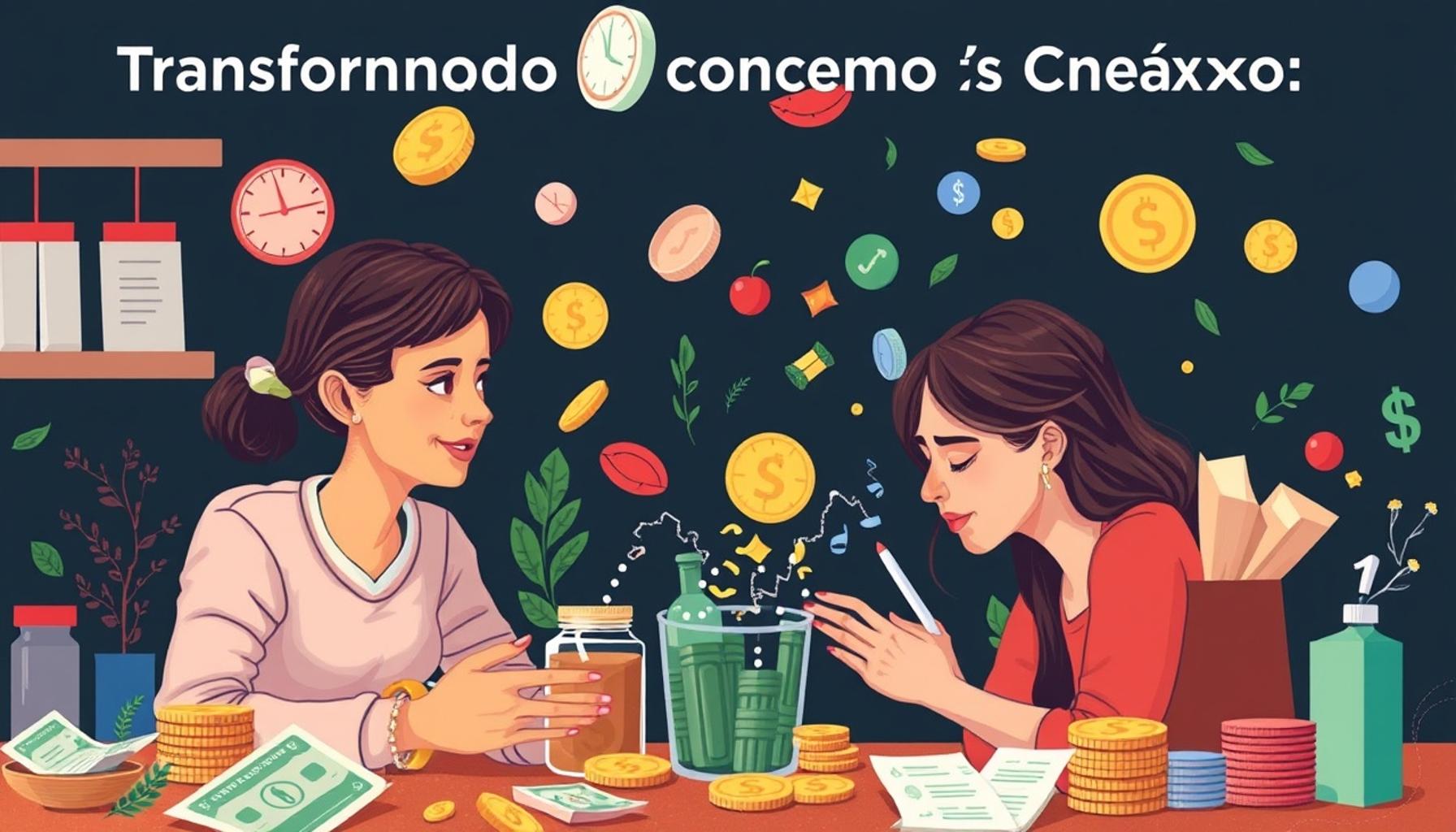
Redefining Our Relationship with Consumption
In a society driven by consumerism, where instant gratification is often prioritized, the foundational values that bind us in personal relationships can be overshadowed. However, a movement towards mindful consumption invites us to reconsider our purchasing behaviors and how they impact our connections with others. By taking a step back to evaluate the products we acquire and the implications of our choices, we can foster deeper intimacy, understanding, and respect in interpersonal relationships.
What is Mindful Consumption?
Mindful consumption goes beyond mere shopping; it’s an intentional practice aimed at harmonizing our consumption habits with our values and beliefs. This approach entails:
- Assessing Needs: This first step involves critically examining the necessity of a product. For instance, before buying a new outfit, one might question whether it adds value to their life or simply fills a momentary desire.
- Choosing Quality Over Quantity: In a world saturated with options, selecting fewer, high-quality items that truly resonate with us can lead to a more fulfilling lifestyle. Renowned brands like Patagonia emphasize this philosophy by promoting durable, sustainable products that not only serve a purpose but also tell a story, encouraging customers to buy less but better.
- Sustaining Local Economies: When we prioritize purchasing from local artisans and small businesses, we contribute to the vibrancy of our communities. For example, by purchasing fresh produce from farmer’s markets or handmade goods from local craftspeople, we support economic growth at the community level while cultivating relationships with those who produce these goods.
These practices not only improve our connection with ourselves but also with those around us, transforming routine purchasing into valuable interactions that promote growth, engagement, and solidarity.
The Connection Between Consumption and Personal Relationships
Embracing mindful consumption can significantly enrich personal relationships. Here’s how:
- Foster Communication: Engaging in open discussions about our consumption choices encourages transparency and strengthens bonds. By sharing why we choose certain products, we invite family and friends into our value systems, enhancing mutual understanding.
- Enhance Experiences: Instead of opting for physical gifts, consider planning shared experiences, such as a weekend getaway or a cooking class. These shared moments often become cherished memories, reinforcing emotional ties and making relationships more robust.
- Build Trust: Aligning consumption habits with the values of loved ones helps in establishing trust. When we make purchasing decisions that reflect the beliefs and ethics we share with those close to us, it fosters a deeper sense of belonging.
Exploring the intricacies of mindful consumption reveals how small adjustments in our habits can lead to stronger personal connections. By valuing our relationships over material possessions, we not only rethink our buying behaviors, but we also enhance our lives and those of our loved ones. This journey is essential as we strive to create a more thoughtful and connected world.

Connecting Through Mindful Consumption
As we navigate the fast-paced world of consumerism, re-evaluating our consumption choices reveals a profound opportunity to forge stronger personal connections. Mindful consumption acts as a bridge, allowing us to engage meaningfully with ourselves, others, and the broader community while countering the often isolating tendencies of modern life. But how exactly can our shopping habits influence our relationships? Exploring this connection becomes essential in our quest for deeper bonds and enriched experiences.
Cultivating Intentional Connections
By adopting a mindful consumption approach, we intentionally cultivate relationships that prioritize shared values and authentic communication. The following aspects illustrate how thoughtful purchasing can translate into stronger interpersonal ties:
- Creating Shared Values: When we align our consumption choices with the principles important to us, we set the stage for greater unity in our relationships. For example, when family members commit to buying sustainably, it strengthens their bonds through a shared commitment toward environmental responsibility.
- Engagement in Sustainable Practices: Engaging in activities such as community gardening or participating in local clean-up events not only cultivates a sense of purpose but fosters relationships grounded in actions that reflect a shared goal. These efforts often extend beyond personal gains and create communal investments in sustainability.
- Transforming Gift-Giving: Instead of traditional gift exchanges, consider providing gifts that align with the recipient’s interests and values. This approach reflects a deeper understanding and connection, whether it’s supporting an artisan’s craft by purchasing a handmade item or opting for experiential gifts that encourage time spent together, such as concert tickets or cooking classes.
These elements of mindful consumption serve to enhance relationships by focusing less on the transactional nature of traditional buying and more on building community and connection. As we prioritize thoughtful purchases, we inadvertently open channels for dialogue and connection with those around us.
The Ripple Effect of Conscious Choices
The impact of mindful consumption extends beyond the immediate circle of personal relationships. As individuals practice mindfulness in their purchasing decisions, they contribute to a larger societal shift towards sustainability and responsibility. For example, supporting fair-trade products promotes equitable treatment of workers and resonates with the values of many consumers seeking to make a positive impact.
When these collective choices are unified by a shared philosophy, the ripple effect can inspire entire communities to embrace change. Through discussions centered on consumption habits, we create opportunities to educate and encourage one another while fostering empathy and understanding. This practice lays the foundation for healthier relationships, not only among friends and family but also within the broader society.
Ultimately, as we become more mindful of how our consumption reflects our personal values, we pave the way for enriched relationships and a vibrant solidarity among individuals seeking meaningful connection. The journey towards sustainable and ethical consumption becomes not just a personal endeavor but a shared experience that can significantly enrich the lives of many.
| Category | Description |
|---|---|
| Emotional Well-Being | Mindful consumption fosters deeper connections, enhancing overall emotional health and interpersonal relationships. |
| Social Responsibility | Engaging in conscious purchases promotes ethical choices, helping individuals build stronger ties based on shared values. |
| Quality over Quantity | Valuing meaningful experiences over material possessions leads to richer memories and stronger, lasting bonds. |
| Community Connections | Mindful consumption encourages local engagement, thereby strengthening community ties and supporting one another in a shared space. |
As we delve deeper into the significance of mindful consumption, it becomes evident that it’s not merely a trend but a transformative approach to enhancing personal relationships. By prioritizing emotional well-being, individuals can cultivate an atmosphere where open communication and vulnerability thrive. This opens the doors to meaningful interactions, significantly impacting the quality of life.Moreover, being socially responsible in one’s consumption choices allows people to align with others who share similar values, creating a supportive network. The idea of quality over quantity serves as a reminder that experiences, whether shared meals or adventures, hold much greater significance than material goods. This shift not only enriches life but also nurtures connections rooted in experiences and memories.Furthermore, when individuals engage with their local communities through mindful consumption, they establish a network of support and camaraderie, reinforcing the sense of belonging. This not only enhances relationships but also fosters a healthier, more vibrant community. The ripple effect of these relationships underscores the pivotal role that mindful consumption plays in shaping our lives and connections with others.
Strengthening Bonds Through Experience and Collaboration
While individual choices in mindful consumption are essential, the act of consuming can also serve as a fertile ground for collaborative experiences that deepen relationships. Fostering connections through joint activities not only enhances interpersonal bonds but also emphasizes the values that underpin our consumption habits.
Experience-Driven Consumption
In a world where material possessions often clutter our lives, the appeal of experiential gifts is growing. Research indicates that shared experiences create lasting memories, fostering emotional connections between individuals. Instead of opting for products, consider gifting experiences that encourage shared moments, such as taking a pottery class or attending a local music festival. These experiences allow participants to engage with one another on a different level, exchanging insights and enjoying the present moment together.
For instance, a couple may choose to embark on a culinary adventure by attending a cooking class focused on sustainable food practices. Not only does this shared activity allow them to connect over food, but it also instills a sense of responsibility towards the environment. The discussion about local ingredients, sustainable farming practices, and culinary techniques serves as a twofold bonding exercise — further strengthening their relationship while promoting mindful choices.
Collaborative Consumption
Another dimension of mindful consumption is collaborative consumption, which involves sharing resources instead of solely relying on individual ownership. This approach not only lessens our carbon footprint but also fosters community relations. Carpooling, tool-sharing initiatives, and partaking in community swaps are excellent ways to engage with others while cultivating a sense of belonging.
- Tool Libraries: Imagine a neighborhood where neighbors lend and borrow tools instead of everyone purchasing a full set. This reduces waste and provides an opportunity for neighbors to connect, share skills, and foster friendships.
- Community-supported Agriculture (CSA): By participating in a CSA, consumers don’t just receive seasonal produce; they become part of a community that values local farming and sustainable practices. This connection to the source of food fosters relationships between consumers and producers, enhancing mutual respect.
- Skill Exchanges: Engaging in skill-sharing events encourages individuals to come together to teach and learn from one another. Whether it’s exchanging languages, art techniques, or cooking tips, these events foster camaraderie and create a collaborative learning environment.
By prioritizing collaborative consumption, we break down barriers and encourage meaningful interactions. Each transaction becomes a conduit for building relationships, reinforcing the interconnected nature of our communities.
Mindful Consumption as a Dialogue Starter
The practice of mindful consumption extends beyond individual or community interactions; it serves as a catalyst for deep discussions about values, ethics, and choices. When friends, family members, or partners engage in discussions about their consumption habits, they open themselves up to sharing their beliefs, aspirations, and even vulnerabilities. These conversations often lead to more profound understanding and empathy among individuals.
For example, a conversation about sustainable fashion can lead to sharing the importance of ethical labor practices and environmental impacts. Such discussions not only deepen connections but also inspire collective action among peers, solidifying a shared commitment towards mindful living. As we embrace these dialogues, we create a welcoming space for open communication, ultimately nurturing our relationships.
The synergy between mindful consumption, collaborative efforts, and dialogue fosters interconnectedness, revealing how consumption choices rippling through individual lives can build a community fortified by mutual respect and shared values. By transforming mere consumption into conscious connections, we pave the way for genuine relationships that endure and thrive.
Conclusion: The Path to Meaningful Connections Through Mindful Consumption
As explored in this article, mindful consumption serves as a powerful catalyst for building and nurturing personal relationships. By shifting the focus from material possessions to shared experiences and collaborative efforts, individuals can transform everyday consumption into opportunities for connection. This approach not only enhances interpersonal bonds but also instills a greater sense of community and mutual respect among participants.
The emphasis on experience-driven consumption highlights how collective activities such as cooking classes or attending local events help forge lasting memories and foster emotional intimacy. In an era where connections often feel superficial, engaging in these meaningful experiences reaffirms our shared values and aspirations.
Additionally, the rise of collaborative consumption emphasizes the need for communal relationships based on shared resources. Whether it’s through tool libraries, community-supported agriculture, or skill exchanges, the act of sharing reinforces a sense of belonging and encourages friendly interactions—threads that bind us together amidst our busy lives.
Moreover, by embracing mindful consumption as a dialogue starter, we create a safe space for exploring deeper discussions around ethics, values, and personal choices. These conversations nurture empathy and understanding, transforming our relationships into partnerships grounded in honesty and respect.
In conclusion, the journey towards transforming consumption into connection is one worth taking. As we consciously choose to engage with one another through mindful practices, we pave the way for authentic relationships that thrive on shared experiences, collaboration, and open dialogue. This shift not only enriches our personal lives but also fortifies the entire community, proving that in a world driven by consumerism, connection is the most valuable currency of all.
Related posts:
The Practice of Conscious Consumption: Reducing Waste in a Minimalist Lifestyle
Deconstructing Consumption: How Awareness Can Redefine Our Priorities
Mindful Consumption in the Digital Era: Strategies to Navigate a World of Information and Product Ov...
Mindful Consumption: Creating a Lifestyle with Less and Better
How Conscious Consumption Can Strengthen Our Personal and Community Relationships
Mindful Consumption and the Circular Economy: Rethinking the Product Life Cycle

Linda Carter is a writer and organization expert specializing in minimalism and personal organization. With extensive experience helping individuals create clutter-free, functional spaces and adopt mindful habits, Linda shares her knowledge on our platform. Her goal is to empower readers with practical advice and strategies to simplify their lives, stay organized, and achieve a sense of calm and balance in their daily routines.