
Creating a Minimalist Agenda: Strategies for Managing Time with Clarity and Focus

The Path to Simplicity in Scheduling
In today’s fast-paced society, effective time management is more crucial than ever. The adoption of a minimalist agenda serves as a remedy for those feeling overwhelmed by endless to-do lists and constant distractions. This approach encourages individuals to streamline their day-to-day activities, thereby enhancing overall productivity and satisfaction.
Several key advantages arise from implementing a minimalist agenda that can significantly improve your work-life balance:
- Increased Focus: By eliminating excess tasks and duties, you can center your energy on the most impactful projects. For instance, a student juggling multiple assignments might find that focusing on one significant paper at a time rather than attempting to tackle them all at once leads to higher quality work and improved grades.
- Enhanced Decision-Making: When your schedule is stripped down to essential commitments, decision-making becomes straightforward. For example, a busy professional may need to choose between a networking event or a workshop. With clear priorities, the decision becomes clearer: choose the option that aligns best with career objectives.
- Reduced Stress: A packed calendar can feel suffocating, contributing to anxiety and decreased productivity. By simplifying your agenda, you clear mental clutter, making it easier to navigate daily challenges with a calm demeanor.
To implement a minimalist agenda effectively, taking a few key steps can steer you towards success:
- Prioritization: Start by identifying your high-impact tasks—the actions that produce the most significant results. This might mean focusing on critical projects at work that contribute to your career advancement, rather than getting bogged down with minor administrative tasks.
- Time Blocking: Allocate specific periods in your day for dedicated tasks. For example, setting aside 9:00 AM to 11:00 AM for deep work can allow uninterrupted focus, which is invaluable for creativity and problem solving.
- Regular Review: Establish a weekly routine to assess your commitments. During this review, eliminate any non-essential activities that don’t align with your primary goals. This practice fosters continual improvement, ensuring you’re not just busy but productive.
Embracing these strategies fosters a productive lifestyle, allowing individuals to navigate through daily chaos with greater ease and intention. As the popularity of mindfulness and simplicity grows in various areas of life, envision how a minimalist agenda could reshape your time management practices. Through clarity and focus, every moment becomes an opportunity for meaningful engagement, guiding you toward a more fulfilling and efficient daily experience.
Embracing a Simpler Approach to Scheduling
Creating a minimalist agenda is a transformative process that starts with understanding your priorities and setting boundaries. This journey into time management begins with a simple yet profound insight: less is often more. By consciously choosing to minimize the number of tasks and commitments, individuals can seize control of their schedules, leading to a more purposeful and focused existence.
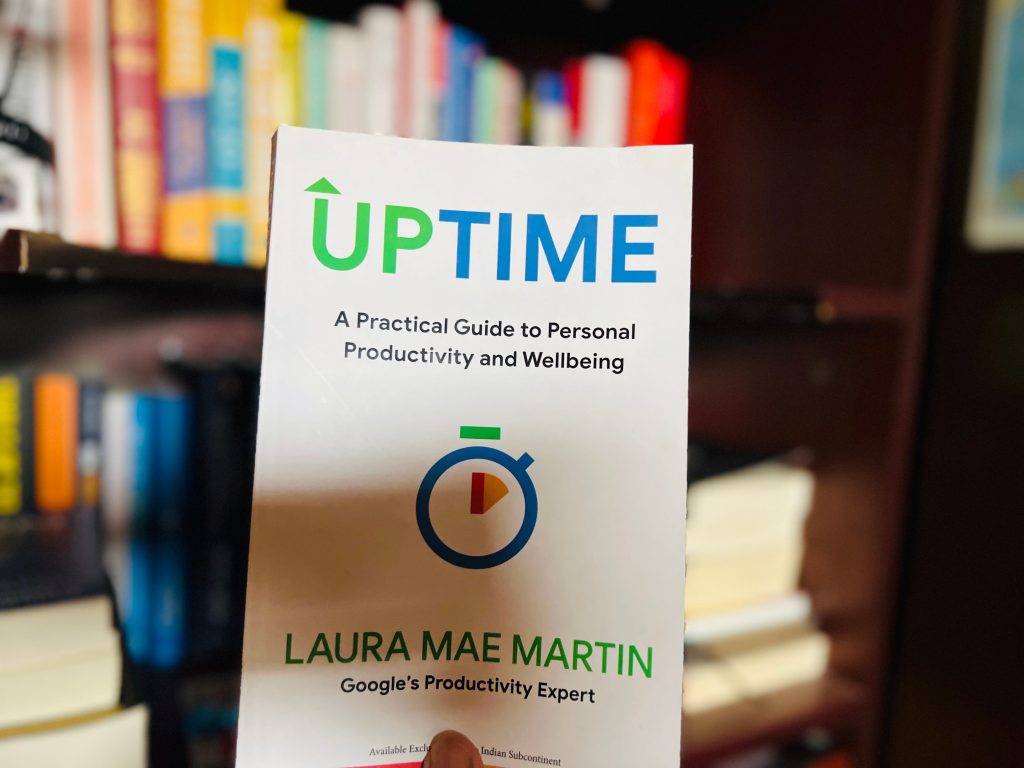
One of the first steps toward crafting a minimalist agenda is conducting a time audit. This involves tracking how every hour of your day is spent over the course of a week. By identifying patterns and pinpointing areas where time may be wasted on unproductive activities—like excessive social media scrolling or attending unnecessary meetings—you gain clarity on how to allocate your time more effectively. Research indicates that many people underestimate the amount of time they spend on low-value tasks; a time audit can reveal surprising insights that could be leveraged for better productivity.
Establishing Impactful Goals
Once you have assessed your time usage, the next step is to set clear, impactful goals. Utilizing the SMART criteria—Specific, Measurable, Achievable, Relevant, and Time-bound—can help in creating meaningful objectives. For example, a professional aiming for a promotion might set a specific goal to enhance their skills in a particular area within six months, thereby allowing them to prioritize relevant activities, such as training sessions or mentorship opportunities.
Developing a list of non-negotiables is also crucial in the minimalist agenda framework. These are fundamental commitments that align with your goals and values. Supportive relationships with family and friends, as well as essential work projects, should be prioritized while non-critical activities may need to be re-evaluated. By consistently aligning your daily activities with your core values, there is less likelihood that you will find yourself overwhelmed by obligations that no longer serve you.
Implementing Effective Strategies
Successfully creating a minimalist agenda also requires implementing a handful of effective strategies:
- Daily Top Three: Each morning, select three of the most impactful tasks to accomplish that day. This approach keeps you focused and ensures meaningful progress in areas that matter.
- Batch Similar Tasks: Group similar activities together to minimize the mental load. For instance, allocate specific times for responding to emails or making calls rather than scattering these tasks throughout the day.
- Set Boundaries for Social Media: Consider limiting social media to specific times during your day to reduce distractions and prevent your focus from being divided.
As you integrate these strategies into your daily life, you’ll likely notice a shift not only in your productivity but also in your overall sense of well-being. A minimalist agenda helps weed out distractions, thereby creating a pathway for clarity and focus that can lead to more rewarding outcomes in both personal and professional realms.
| Advantage | Description |
|---|---|
| Enhanced Focus | By prioritizing essential tasks, you can concentrate on what truly matters, leading to higher productivity. |
| Reduced Stress | A minimalist agenda eliminates clutter, helping to minimize distractions and stress, allowing for a clearer mindset. |
Creating a minimalist agenda not only streamlines task management but also aligns your daily activities with your core values and objectives. The practice encourages you to set clear intentions for each day, which can transform chaotic schedules into purposeful routines. Users often find that this method allows them to identify non-essential commitments that drain energy and time, reclaiming valuable hours previously lost to unnecessary obligations.By adopting this strategic approach, the benefits multiply. Enhanced focus fosters a better engagement with tasks at hand, while reduced stress paves the way for clear thinking and improved decision-making. As you implement these strategies, you may notice a significant increase in your ability to navigate complex tasks with ease and grace.Moreover, incorporating minimalist principles into your agenda can lead to healthier habits. By scheduling time for self-care and reflection, you can build a well-rounded routine that nurtures both your professional aspirations and personal growth. With this holistic viewpoint, a minimalist agenda offers the potential to not only manage time but to transform how you experience everyday life.
Mastering the Art of Prioritization
With a firm grasp on your goals and an understanding of how you spend your time, the next pivotal element in creating a minimalist agenda is honing your ability to prioritize effectively. In an age where notifications and distractions compete relentlessly for your attention, prioritization becomes not just beneficial, but essential for maintaining clarity and focus.
One widely regarded method for prioritizing tasks is the Eisenhower Matrix, which divides tasks into four quadrants based on urgency and importance. By categorizing daily tasks into these quadrants, you gain insight into what truly deserves your attention. Quadrant 1 contains urgent and important tasks that require immediate action; Quadrant 2 hosts important but non-urgent tasks, ideal for strategic planning; Quadrant 3 includes urgent but not important tasks that can often be delegated; and Quadrant 4 consists of neither urgent nor important tasks—a realm best reserved for time-wasting activities. Assessing your duties through this framework can radically shift how you devote your energy each day, and ultimately steer you toward fulfilling your overarching goals.
Time Blocking: Carving Out Space for Focus
Another powerful tool in managing your time with clarity is the practice of time blocking. This involves assigning specific blocks of time within your day to dedicated tasks or activities. Time blocking allows you to create a structured schedule, reducing the temptation to multitask and enhancing your ability to immerse yourself in one project at a time. For instance, allocate a two-hour block in the morning exclusively for deep work on a challenging report, followed by a 30-minute block for emails or administrative tasks. The rigidity of time blocking helps safeguard your focus and encourages accountability, making it less likely that you will veer off track.
Moreover, it’s essential to incorporate buffer time in your schedule. Life is unpredictable, and unexpected interruptions are inevitable. By scheduling small intervals between tasks or allowing for flexibility throughout your day, you cultivate an environment that can accommodate the unplanned, thereby keeping your stress levels in check.
Regular Reflection and Adjustment
To maintain a minimalist agenda, it’s crucial to embrace regular reflection and continuous adjustment. Setting aside time at the end of each week for self-review allows you to assess what went well, what didn’t, and how your strategies can evolve. Journaling your insights or using digital tools to map out your progress can provide clarity on whether you are aligning with your initial goals. Many productivity experts recommend weekly reviews that incorporate an evaluation of your completed tasks, ongoing projects, and upcoming responsibilities.
Additionally, this reflective practice helps identify tasks that may have outlived their value. You may find yourself holding on to certain commitments due to routine or pressure from others, unaware that they no longer contribute meaningfully to your journey. Choosing to divest yourself from these obligations is an empowering step toward reclaiming your time.
Ultimately, mastering prioritization, adopting time blocking methods, and incorporating reflective practices can significantly enhance your ability to manage time with clarity and focus. As you delve deeper into creating a minimalist agenda, remember—the goal is not to fill every moment with tasks, but to enrich your day with meaningful engagements that propel you toward your most significant aspirations.
Embracing the Minimalist Approach to Time Management
In conclusion, adopting a minimalist agenda is not just about streamlining tasks, but rather about enhancing your overall effectiveness by managing your time with clarity and focus. By employing key strategies such as effective prioritization, time blocking, and regular reflection, you can navigate the complexities of modern life with ease. These practices transform your daily schedule from a chaotic flow of tasks into a structured, intentional framework that aligns with your long-term goals.
Emphasizing the importance of the Eisenhower Matrix enables you to discern what tasks merit your attention, while time blocking encourages you to dedicate uninterrupted periods to meaningful work. Coupled with the practice of reflection, you gain invaluable insights that not only highlight areas for improvement but also empower you to shed obligations that no longer serve your aspirations. This cultivates an environment where your efforts yield tangible progress.
As you embrace these minimalist strategies, remember that the aim is not to fill your schedule to the brim, but to enrich your life with valuable experiences and engagements. By focusing on what matters most, you’ll create a life of purpose and achievement that propels you toward your dreams. Dive deeper into these methodologies, experiment with what resonates best, and adjust as needed, thereby crafting a minimalist agenda tailored uniquely for you.
Ultimately, creating a minimalist agenda is about making a conscious choice to live intentionally. Take the first step today—start reshaping your time management, and discover the peace and productivity that can arise from simplicity.
Related posts:
Rhythms of Life: The Integration of Minimalism in Time Management to Balance Work and Leisure
The Power of Simplicity: How Minimalism Helps Prioritize Tasks and Increase Productivity
The Art of Saying No: How Minimalism Can Help with Time Management
Minimalism and Daily Rituals: Creating Habits that Optimize Time Use
Digital Detox Strategies: How to Simplify Your Time in a Connected World
Minimalist Organization: Structuring Your Day for Maximum Productivity

Linda Carter is a writer and organization expert specializing in minimalism and personal organization. With extensive experience helping individuals create clutter-free, functional spaces and adopt mindful habits, Linda shares her knowledge on our platform. Her goal is to empower readers with practical advice and strategies to simplify their lives, stay organized, and achieve a sense of calm and balance in their daily routines.