Technology and Minimalism: Tools for a Life Without Digital Overload

Understanding Digital Overload
In today’s fast-paced environment, digital overload has emerged as a significant challenge for many people. The incessant barrage of notifications, emails, and the allure of endless scrolling through social media platforms can sap our time and attention. This constant connectivity can lead to feelings of anxiety and discontent, prompting many individuals to seek effective strategies to reclaim their focus and well-being.
This growing concern has sparked an interest in the intersection of technology and minimalism. Minimalism, at its core, encourages individuals to prioritize what truly matters in their lives. By applying minimalist principles to the digital realm, people can work towards not only simplifying their lives but also enhancing their overall productivity and mental health.
Core Concepts of Digital Minimalism
Digital minimalism is predicated on several key concepts aimed at creating a more intentional relationship with technology. Among these concepts are:
- Reducing screen time for better productivity: Limiting excessive device use can significantly enhance focus and efficiency. Research shows that a decrease in screen time correlates with improved mental clarity and creativity.
- Focusing on essential apps that enhance daily tasks: By carefully selecting apps that align with personal or professional goals, individuals can streamline their activities. For instance, using productivity tools like Trello for project management or Spotify for curated playlists can enhance task execution.
- Curating a digital space that reflects personal values: This involves eliminating apps or platforms that do not contribute positively to one’s life. For example, many users find joy and community in platforms like Meetup or Discord, which foster connections based on shared interests.
The Role of Innovative Tools
With a myriad of innovative tools at our disposal, such as Notion for note-taking and organization, and Freedom for blocking distracting websites, individuals can craft a digital environment that minimizes distractions. The use of these tools can significantly transform one’s online experience from chaotic to streamlined, thereby making technology serve a more purposeful role in life.
Adopting a minimalist mindset in the context of technology is more than just a fleeting trend; it represents a necessary evolution in how we engage with an increasingly digital landscape. This concept invites contemplation about what we allow into our lives through our screens. Just as we may declutter our physical spaces, taking the time to curate our digital habits leads to greater clarity and purpose.
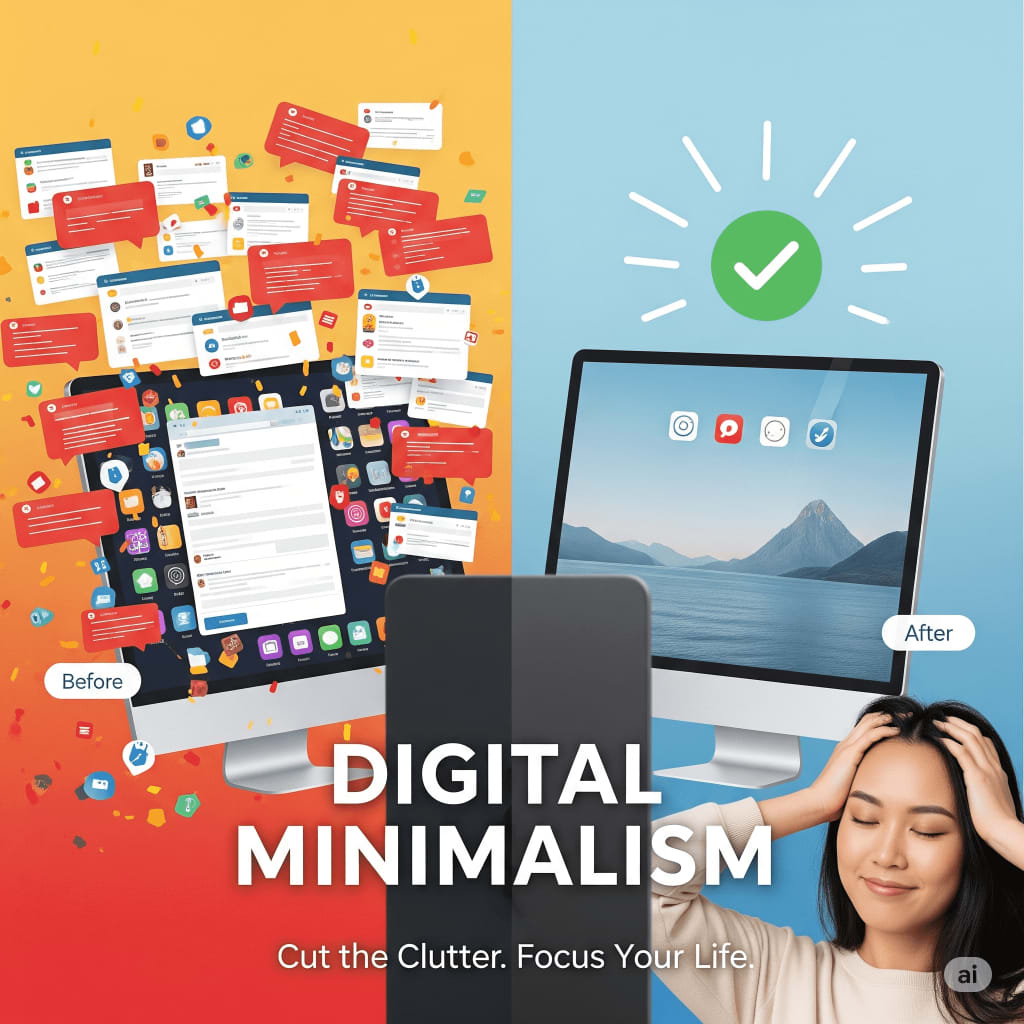
Ultimately, the pursuit of balance in a digital world requires an ongoing commitment to reassessing and refining our technological interactions. As we navigate through this evolution, one should ask: Are the tools we use enriching our lives or simply adding to the noise? It is time to delve deeper into how traditional technology can be reimagined to foster a sense of clarity amid the chaos.
Navigating the Minimalist Digital Landscape
As we delve into the realm of digital minimalism, it is essential to understand how our current relationship with technology has drastically shifted over the years. The convenience of smartphones, smartwatches, and various applications has provided unprecedented access to information and communication. Yet, this connectivity often comes at the cost of our mental well-being. The challenge lies in leveraging technology in a way that enhances our lives rather than complicates them.
Embracing minimalism in a digital context not only reduces the clutter of notifications and mindless scrolling but also fosters a more conscious selection of the tools we utilize daily. To create an efficient digital space, we must carefully evaluate our habits and the technologies we employ. Here are some strategies for embracing a minimalist approach:
- Establishing Digital Boundaries: Creating specific times for technology use can mitigate the overwhelming presence of digital distractions. Setting aside designated periods for checking emails or social media can help individuals reclaim their time and focus.
- Utilizing “Do Not Disturb” Modes: Modern devices offer features that can temporarily mute notifications. By enabling ‘Do Not Disturb’ during work or personal time, users can minimize interruptions and enhance productivity.
- Taking Breaks from Social Media: Periodically disconnecting from social platforms can clear mental fog and reduce comparison anxiety. Many find that brief digital detoxes contribute to improved mood and mindfulness.
With projects like Beeminder that promote goal tracking and accountability, or productivity apps such as Simplenote that offer clutter-free note-taking, individuals can cultivate more meaningful interactions with technology. These innovative tools, designed with minimalism in mind, assist in filtering out unnecessary distractions and encourage a sharper focus on the tasks that matter most.
Moreover, exploring alternatives to traditional platforms can drastically reshape your digital experience. By replacing time-consuming apps with streamlined options that serve a specific purpose, users can maintain productivity without the typical overwhelm. For instance, using Evernote for streamlined note organization instead of multiple unreliable apps can significantly enhance efficiency.
Beyond mere utility, the practice of digital minimalism invites individuals to reflect on their values and priorities. Choosing which apps to keep and which to eliminate is not just about efficiency; it is about aligning one’s digital footprint with personal goals and well-being. As this form of intentional living grows in popularity, it is crucial to consider how embracing these practices can lead to a more serene and fulfilling lifestyle.
| Category | Advantages |
|---|---|
| Digital Detox Tools | Promote balanced tech usage by setting device-free zones. |
| Mindfulness Apps | Encourage awareness and help manage screen time effectively. |
| Organizing Software | Streamline tasks and increase productivity by reducing digital clutter. |
| Focus Enhancement Tools | Help minimize distractions and promote a more focused work environment. |
In a world overflowing with digital distractions, the intersection of technology and minimalism offers innovative solutions to reclaim personal time. Digital detox tools facilitate a healthy relationship with devices, creating sanctuaries devoid of notifications and digital chaos. Mindfulness apps serve an essential purpose, helping users cultivate a greater awareness of their tech usage, effectively leading to healthier habits. Organizing software has grown increasingly vital; it not only enhances productivity but also reduces digital clutter, allowing a clearer mindset. Focus enhancement tools emerge as indispensable allies in the fight against distraction, enabling users to harness their full potential without being tethered to the internet’s endless waves of information. By embracing these methods, individuals can embark on a journey to a more intentional, focused lifestyle, proving that less can truly be more in the digital age.
Streamlining Your Digital Toolbox
To further embrace the philosophy of digital minimalism, one must consider the concept of a streamlined digital toolbox. This involves assessing all the tools at your disposal and eliminating those that hamper productivity or foster anxiety. By curating a selective range of applications and devices, you can enhance focus and reduce the temptation of digital distractions. Studies have shown that an uncluttered digital environment not only heightens productivity but also contributes to a significant reduction in feelings of overwhelm.
One effective strategy is to utilize the principles of task batching. This involves grouping similar tasks together and allocating specific time slots for completion. Whether it’s responding to emails or engaging with social media, dedicating blocks of time can streamline your workload and minimize constant toggling between applications. Adopting a routine like this can transform overwhelming tasks into manageable segments, resulting in greater satisfaction and efficacy.
In addition, exploring productivity tools that promote focus and clarity can be transformative. Applications such as Trello or Asana not only help in tracking progress but also enable users to visualize tasks clearly. By organizing responsibilities within a single platform rather than spreading them across multiple apps, individuals create a more cohesive and less fragmented digital experience.
The mindful selection of communication tools is another crucial aspect of minimizing digital overload. Platforms like Signal or WhatsApp can serve as simplified communication alternatives to more cluttered social media environments. These apps prioritize essential conversations without the accompanying noise often found in traditional social networks, allowing for more meaningful interactions that align with a minimalist lifestyle.
Furthermore, adjusting how and when you consume content plays a significant role in promoting mental clarity. Subscribing to curated newsletters or using dedicated apps like Flipboard allows users to consume news and information in a structured manner, reducing the need for constant web surfing. Limiting your intake of information — focusing on sources that resonate with your interests — not only cultivates a more informed perspective but also ensures that your digital footprint is tidy and intentional.
Emphasizing a digital decluttering routine is paramount for sustaining a minimalist lifestyle. This involves regularly reviewing the applications you use and the subscriptions you hold. Removing programs that are underutilized or notifications that no longer serve a purpose can significantly reduce the digital noise in your life. Regular assessments are akin to keeping a clean physical space; the more sanitized your digital life, the clearer your mental space can become.
Moreover, the practice of using mindfulness apps, such as Headspace or Calm, can aid in promoting mental well-being amidst the chaos of technology. These applications encourage practices like meditation and deep breathing, which can be instrumental in creating a balanced relationship with digital devices. As such tools become integrated into daily routines, individuals may find themselves more present and focused, ultimately silencing the persistent chatter of the digital age.
Conclusion
In today’s fast-paced digital landscape, embracing technology and minimalism presents a transformative opportunity to reclaim our focus and enhance mental well-being. By adopting a minimalist approach to our digital tools—prioritizing simplicity and utility—we can effectively navigate the overwhelming nature of digital content and communication. A curated selection of applications and devices not only streamlines productivity but also fosters a sense of tranquility amidst the noise.
Additionally, implementing strategies such as task batching and utilizing productivity applications can help individuals manage their workload more efficiently. By harnessing these tools, users are better positioned to foster a deeper connection with their tasks and prioritize meaningful interactions, as opposed to engaging in aimless browsing.
Moreover, the routine of digital decluttering ensures that our virtual environments remain clean and conducive to focus, significantly reducing feelings of stress and anxiety. Integrating mindfulness into our technology use through dedicated applications cultivates resilience and promotes a healthier relationship with our devices.
Ultimately, the journey towards a life without digital overload is not merely about minimizing technology; it is about creating space for what truly matters. By adopting these principles of digital minimalism, we empower ourselves to live intentionally, enjoy deeper connections, and enhance our overall quality of life. As we continue to explore the interplay between technology and mindfulness, let us remain vigilant in curating digital experiences that enrich our lives and contribute to our well-being.
Related posts:
Digital Organization: Strategies for an Uncomplicated Virtual Space
Mindfulness and Minimalism: The Connection between Simplification and Well-Being
Minimalism in the Kitchen: Recipes and Strategies for Simple and Healthy Eating
Minimalism and Sustainability: How to Live Simply and Ecologically
Creating a Minimalist Workspace: Tips to Increase Productivity and Reduce Stress
Uncomplicating Relationships: How Minimalism Can Improve Your Social Circle

Linda Carter is a writer and organization expert specializing in minimalism and personal organization. With extensive experience helping individuals create clutter-free, functional spaces and adopt mindful habits, Linda shares her knowledge on our platform. Her goal is to empower readers with practical advice and strategies to simplify their lives, stay organized, and achieve a sense of calm and balance in their daily routines.