The Art of Letting Go: How to Simplify Your Space and Your Life

Embracing Minimalism in a Chaotic World
In our increasingly complex lives, the idea of letting go holds immense significance. Each day, we are bombarded with the incessant accumulation of belongings, electronic devices, and even emotional baggage. This overwhelming surplus often results in both physical and mental clutter that can cloud our thoughts and dictate our actions. Simplifying one’s environment is not merely about cleaning up; it’s a transformative journey that can lead to renewal, clarity, and a refreshed perspective on life.
The advantages of adopting a simplified lifestyle are numerous and profound. Consider the following:
- Enhanced Focus: Research shows that a tidy workspace can significantly improve concentration and productivity. For instance, professionals who declutter their desks report a marked increase in their ability to complete tasks without distractions.
- Reduced Stress: According to a survey by the National Institute of Health, individuals who live in cluttered spaces often experience heightened stress levels. Clearing out unnecessary items not only makes rooms visually appealing but also creates a serene atmosphere that promotes relaxation.
- More Time: A simplified life means less time spent on cleaning and organizing. For example, families that adopt minimalistic principles often find they spend fewer hours managing their belongings and more time enjoying activities together, whether it’s hiking on a Saturday or sharing a meal.
Despite these compelling benefits, the journey to letting go can feel intimidating. Individuals frequently grapple with fundamental questions, such as:
- What constitutes a necessity in my life?
- How do I categorize belongings into keep, donate, or discard?
- Can I part with items that hold emotional significance, like gifts from loved ones or family heirlooms?
Addressing these questions can lead to rich self-discovery. It involves reflecting on personal values, identifying what truly brings joy, and understanding what creates that emotional connection to our possessions. For instance, some choose to adopt methods such as the KonMari Method, which encourages keeping only those items that “spark joy.” This approach guides individuals through the process of evaluating what they genuinely need and what can be released.
By embarking on the journey of simplification, you cultivate not only a harmonious space but also a more authentic self. Minimalism encourages you to curate your life with intention, aligning your space with your personal and emotional needs. Join us as we explore practical strategies, powerful philosophies, and inspiring stories behind simplifying your life. This can inevitably lead you toward a path of enhanced happiness and fulfillment.
The Emotional Weight of Possessions
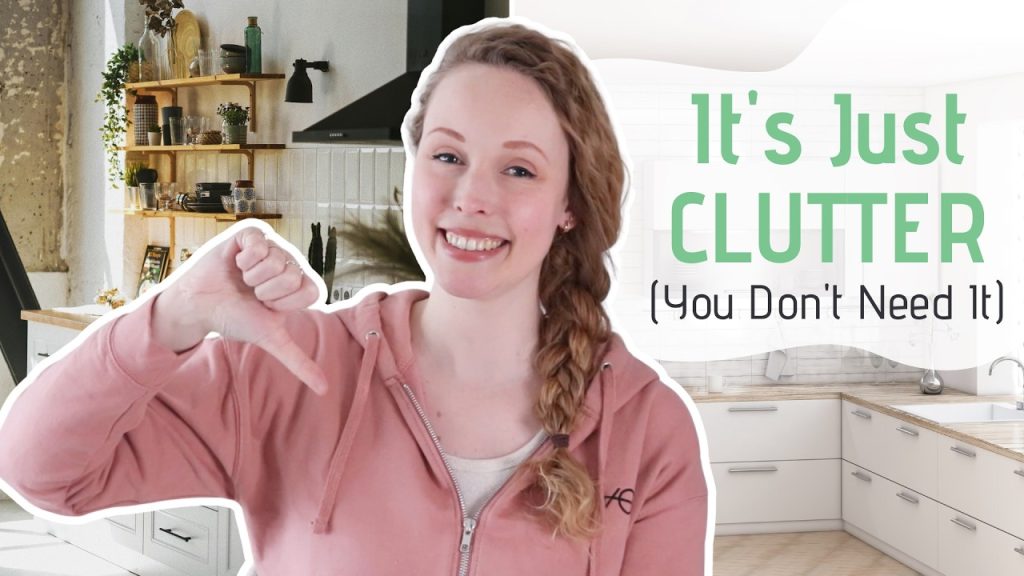
As we embark on the journey of letting go, it is crucial to first understand the emotional weight that our possessions might carry. Many people find themselves holding on to items for sentimental reasons, often viewing them as extensions of their identity or memories from pivotal moments in their lives. This attachment can cloud judgment, making it difficult to determine what is truly beneficial to keep and what is simply taking up space.
Consider these common categories of belongings that people often struggle to part with:
- Gifts from Loved Ones: While these items may have once brought you joy, the reality is that the memories attached to them can sometimes linger even when the item itself no longer resonates with you.
- Sentimental Family Heirlooms: Objects passed down through generations carry stories and history, but they can also weigh heavily on the present. Assess whether they still hold relevance in your daily life.
- Clothing and Accessories: Many find themselves with a closet full of clothes that were once worn but no longer fit their current style or body. Letting go can open up space for new pieces that truly reflect who you are.
The act of decluttering is not simply about removing physical objects; it’s about releasing emotional ties that no longer serve a purpose. According to a study by the Journal of Environmental Psychology, individuals who engage in decluttering report increased well-being and a sense of relief, often freeing themselves from the burden of unneeded belongings.
One effective practice in simplifying your space is to conduct a conscious inventory of what you possess. Start by embracing the concept of the “one-year rule,” which suggests that if you haven’t used an item in the past year, it likely no longer serves a purpose in your life. This timeline allows you to objectively evaluate your belongings without being overwhelmed by guilt or nostalgia.
Furthermore, consider the impact of digital clutter. In an age where our lives are intertwined with technology, virtual possessions can often go overlooked. Email inboxes, social media accounts, and digital files can accumulate at a rapid pace. Spend time organizing these spaces, implementing methods to limit notifications, and unsubscribing from mailing lists that no longer interest you. By reducing both physical and digital clutter, you can create a more comprehensive sense of tranquility in your life.
As we navigate through the clutter of our lives—both physical and emotional—it becomes increasingly important to cultivate mindfulness and consider the values that truly resonate with us. In doing so, we can begin to create a space that feels authentic and liberating. In the next section, we will explore practical techniques to facilitate the process of letting go and uncovering the beauty of a simplified life.
The Art of Letting Go: Embracing Minimalism for a Calmer Life
In our fast-paced lives filled with constant distractions, simplifying your space can lead to profoundly positive changes in your overall well-being. The principle of minimalism encourages individuals to intentionally reduce clutter and focus on what truly matters. By letting go of unnecessary items, you create an environment that fosters peace and mental clarity. Consider the psychological benefits of decluttering: studies demonstrate that living in an organized space can reduce feelings of anxiety and stress. As a result, you may experience improved focus and productivity. This practice of letting go is not just a physical act, but an emotional journey as well. Each item relinquished can symbolize past experiences, providing an opportunity for reflection and growth. In pursuing simplification, you will also discover the importance of intentionality in your belongings. Each item you choose to keep should serve a purpose or bring you genuine joy. The process itself can be liberating, sparking creativity and encouraging mindfulness. What better way to invest in your happiness than by surrounding yourself with only that which you love or need?Additionally, embracing a minimalist lifestyle can lead to financial benefits. By reducing unnecessary purchases and focusing on quality over quantity, you can save money and invest in experiences rather than material goods. This shift not only enhances your quality of life but also allows for a deeper connection to what enriches your existence.To actively engage in your journey of letting go, consider starting small. Whether it’s a single drawer or a room, each step contributes to a larger transformation. Create a system that works best for you, and take your time. The fewer distractions in your space, the more room you create for the potential of your life.
| Category | Advantages |
|---|---|
| Increased Peace of Mind | A simplified environment can lead to reduced stress and greater mental clarity. |
| Financial Savings | Less clutter can result in reduced spending on unnecessary items, focusing instead on quality. |
With these principles in mind, the journey of letting go and simplifying your life becomes a transformative experience rather than a daunting task. It’s a way to reclaim your space, both physically and mentally, ultimately leading to a more meaningful and joyous life.
Practical Techniques for Letting Go
Now that we have unpacked the emotional weight of our possessions, it’s essential to explore practical techniques to facilitate the process of letting go. By adopting effective strategies, the act of decluttering can transform from a daunting task into a liberating experience. Let’s delve into some tried-and-true methods that can guide you in simplifying both your space and your life.
The 30-Day Declutter Challenge
One popular method is the 30-Day Declutter Challenge. This simple yet powerful technique encourages you to declutter one item on the first day, two items on the second day, and so forth, culminating in thirty items on the final day. By the end of the month, you will have removed a total of 465 items from your life. The incremental nature of this challenge keeps the process manageable and less overwhelming, helping you to build the momentum to continue the journey well beyond thirty days.
Room by Room Approach
Another effective strategy is the room by room approach. Select one room at a time and comprehensively analyze every item. This method allows you to clearly see how each room can transition into a clean and simplified space without occupying your mind with the entire house at once. As you tackle each room, create separate boxes for keep, donate, and discard categories. A visual representation of your progress can be incredibly motivating.
One In, One Out Rule
To maintain a simplified lifestyle, consider implementing the One In, One Out Rule. This principle states that for every new item you bring into your home, you must let go of an existing item. This practice encourages thoughtful purchasing decisions and curbs the temptation to accumulate unnecessary possessions. It can be particularly beneficial during events like holidays or birthdays when new gifts are often received.
Incorporating Mindfulness
In addition to these organizational methods, incorporating mindfulness into the decluttering process can enhance your desire to let go. Take a moment to reflect on why you are parting with certain items. Consider journaling or meditating on each piece as you sort through your belongings. This reflection can help you cultivate a deeper understanding of your attachment and lead to clearer decision-making about what truly matters to you.
Seeking Inspiration
Sometimes, seeking inspiration from others can invigorate your decluttering journey. Books such as The Life-Changing Magic of Tidying Up by Marie Kondo and Goodbye, Things by Fumio Sasaki emphasize the philosophy of minimalism, which encourages letting go of excess to create room for essentials that spark joy. Engaging with communities focused on simplicity can also provide support and motivation as you navigate your path.
By implementing these practical techniques, the process of letting go becomes more achievable and enjoyable. You don’t merely declutter your physical space; you also initiate a profound transformation in your mental and emotional landscape. As you let go of what no longer serves you, you create an environment that encourages clarity, creativity, and a more fulfilling way of living.
Conclusion: Embrace the Freedom of Letting Go
In a world increasingly overwhelmed by consumerism and excess, mastering the art of letting go offers a pathway to simplicity and serenity. Decluttering is more than just a physical act; it’s a profound journey that invites us to reflect on our values, desires, and connections. As we explore practical techniques like the 30-Day Declutter Challenge and the room by room approach, we learn that each item we release is a step towards reclaiming both our space and our peace of mind.
By embracing concepts such as the One In, One Out Rule, we cultivate a mindset that prioritizes quality over quantity, ensuring that our living environments reflect our true selves. The journey of incorporating mindfulness serves as a reminder that letting go is not merely about dispossession; it’s about making space for what genuinely matters, fostering a deeper connection with our surroundings.
As we seek inspiration from sources that champion minimalism, we open ourselves to transformative possibilities. It is crucial to understand that decluttering is not a destination but a continuous, evolving process. Each moment spent reflecting on our possessions helps us appreciate the significance of the life we wish to curate.
Ultimately, simplifying your space and your life paves the way for clarity and creativity, enabling us to focus on experiences and relationships that truly enrich our lives. So, take that first brave step towards letting go, and watch as your world transforms into one filled with peace, purpose, and profound joy.
Related posts:
Minimalism in the Kitchen: Recipes and Strategies for Simple and Healthy Eating
Financial Minimalism: Strategies to Simplify Your Finances and Increase Your Purchasing Power
Minimalism and Sustainability: How to Live Simply and Ecologically
Creating a Minimalist Workspace: Tips to Increase Productivity and Reduce Stress
Spaces that Inspire: How Minimalist Design Promotes Well-Being and Tranquility
Mindfulness and Minimalism: The Connection between Simplification and Well-Being

Linda Carter is a writer and organization expert specializing in minimalism and personal organization. With extensive experience helping individuals create clutter-free, functional spaces and adopt mindful habits, Linda shares her knowledge on our platform. Her goal is to empower readers with practical advice and strategies to simplify their lives, stay organized, and achieve a sense of calm and balance in their daily routines.